Türkiye · Travel essentials
What to Wear in Türkiye: Cities, Coast, Cappadocia and Mosque Visits
Build a practical Türkiye packing list for Istanbul, the coast and Cappadocia, with layers for the weather and modest clothing for mosque visits.
Our founder previously worked for a travel company. About Destinode
On this page
An Istanbul–Cappadocia–coast itinerary can contain three quite different wardrobes. The solution is usually a small set of clothes that overlap, with one or two additions for the coldest or most exposed activity. Packing only for sunny promotional photographs makes early starts and windy waterfront walks unnecessarily uncomfortable.
This is an editorial packing framework rather than a claim about how every Turkish person dresses. Religious sites have their own expectations, and the weather varies by region and elevation. Use the official city forecasts to make your final decision a few days before travel. [1]
Use three destinations, not one weather average
Compare your actual stops on the meteorological service's pages. Istanbul, inland Nevşehir and Antalya have separate climate records; none is a substitute for the others. The records describe historical patterns, while a forecast tells you more about the particular week you are packing for. [2] [3] [4]
| Route component | Wardrobe priority | Useful extra |
|---|---|---|
| Istanbul walking and ferries | Comfortable shoes and adjustable layers | Closable outer layer for wind or rain |
| Cappadocia dawn and valleys | Warmth at the start; stable footwear | A layer that fits inside your day bag later |
| Coastal swimming stay | Light clothing for the forecast | Beachwear plus a separate town outfit |
| Mosques and religious shrines | Modest coverage | A scarf and easily removed footwear where required |
Write the coldest planned start and the warmest expected afternoon on your packing list. A sweater that works under your jacket in Cappadocia can also cover a cooler Istanbul evening. That overlap is more valuable than taking several outfits that each work for only one photograph.
Istanbul: pack for a full day on foot
Choose shoes you have already worn for several hours. Test them with the socks you will bring, and consider how they feel after standing in queues as well as walking. A museum day often includes a station interchange, streets between sights and dinner before returning to the hotel; the entire day matters more than the distance between two map pins.
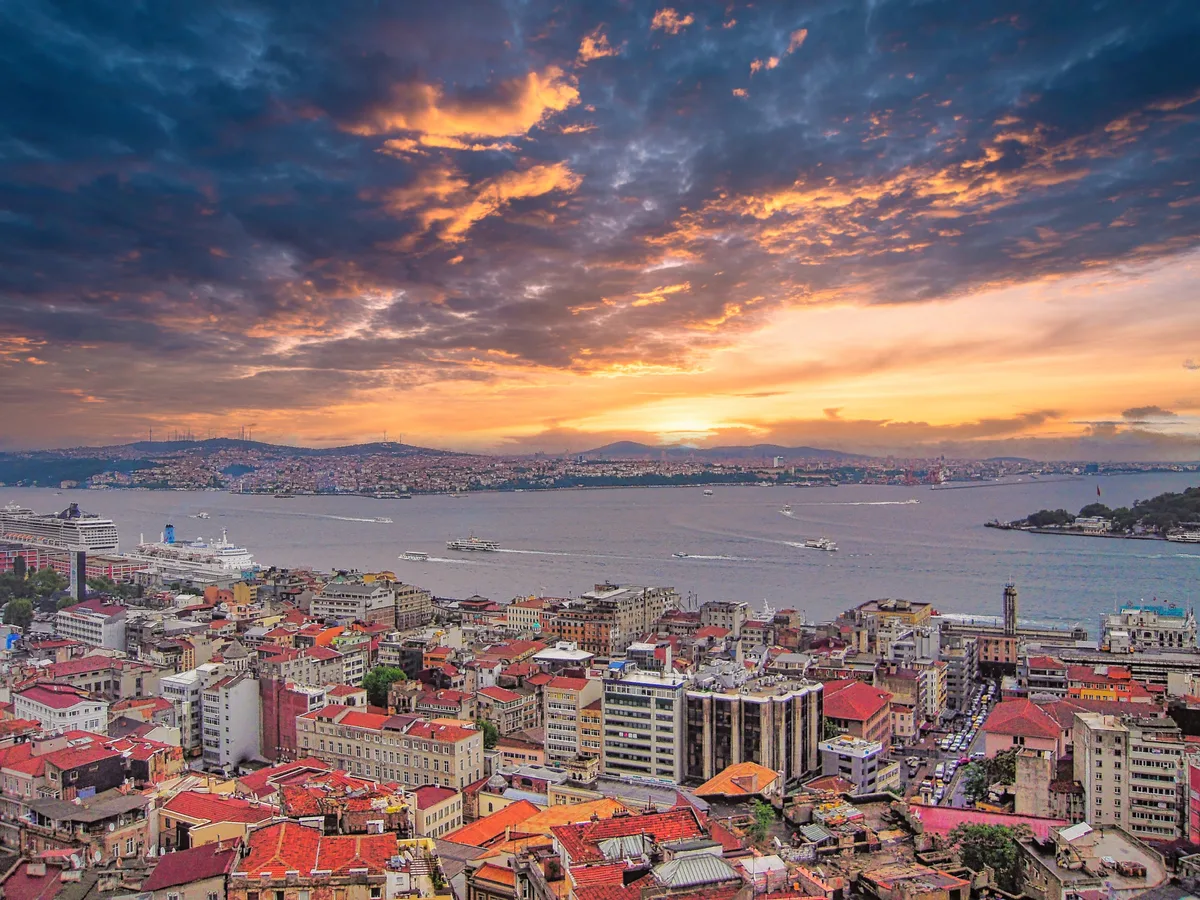
For changeable weather, use a light base, an optional middle layer and an outer layer that can close against wind. Carry the spare layer instead of leaving it in the room because the morning looks sunny. A compact bag should hold it without making your shoulders uncomfortable or blocking a busy tram aisle.
Choose rain protection for the activity. An umbrella is convenient on a shopping street, while a hooded layer leaves your hands free when handling luggage or boarding a ferry. Neither is a reason to continue an exposed activity during severe weather. Change the day's route when official warnings or local instructions require it.
Cappadocia: distinguish sunrise from afternoon
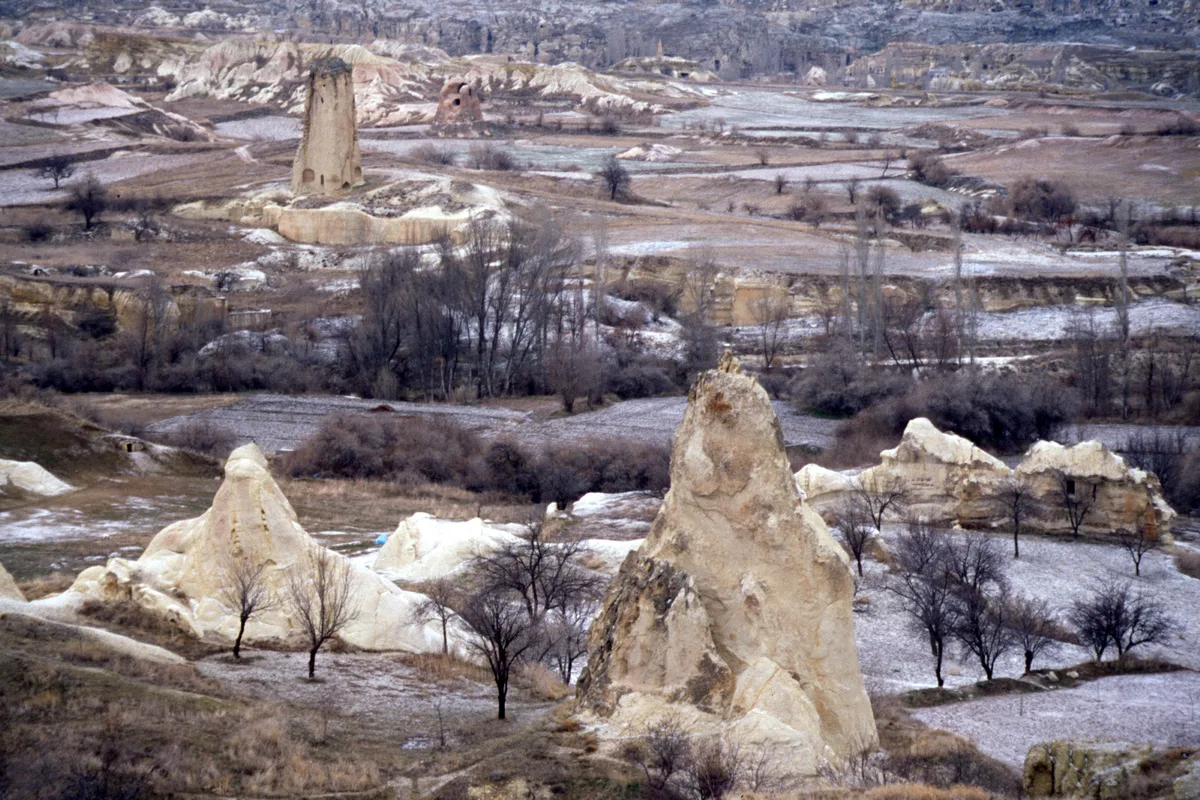
Nevşehir's official long-period record illustrates the contrast: the average January minimum is below freezing, while even July's average minimum is far below its daytime maximum. These are averages for the observation area, not a balloon-flight forecast or a guarantee for your hotel terrace. [3]
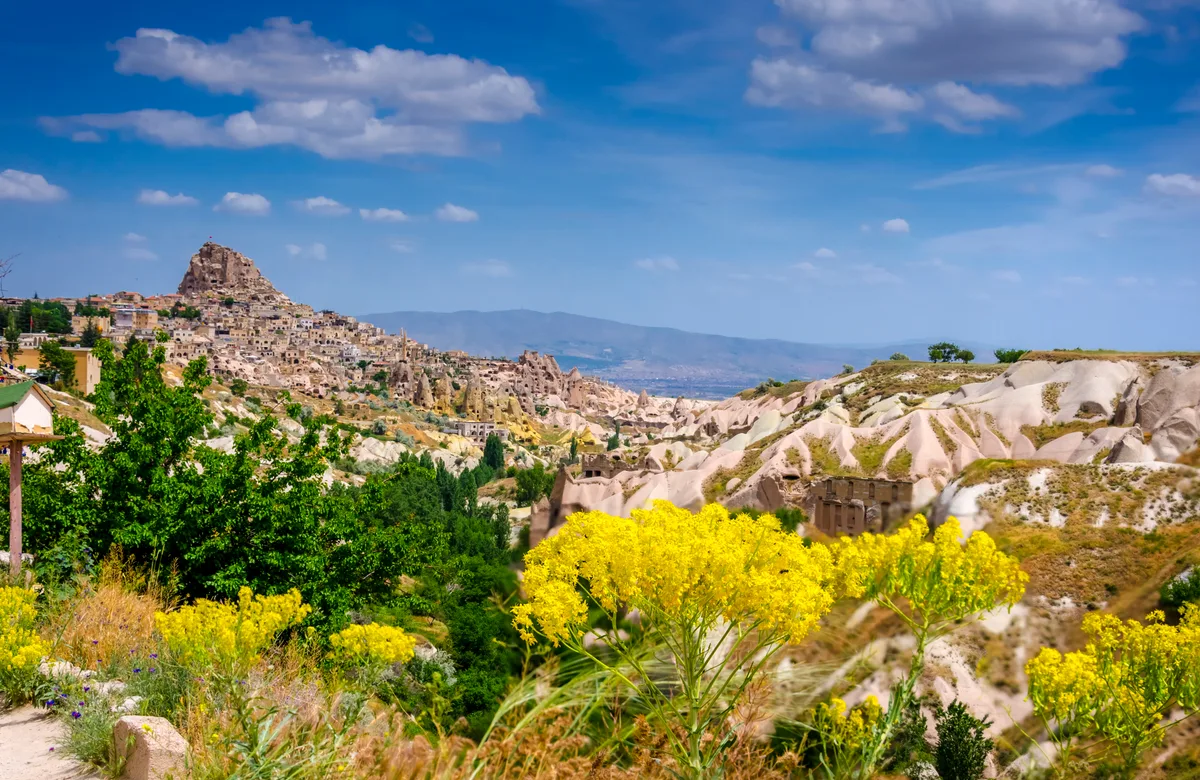
For a dawn start, lay out the complete outfit the night before: base layer, warmth, outer layer, socks and appropriate shoes. Put essentials in the day bag so you are not searching through luggage before pickup. Follow the balloon operator's clothing requirements, especially for footwear and boarding; a flowing photo outfit should not interfere with moving safely.
For valley walks, choose footwear and layers for the actual route and conditions. An easy viewpoint near a vehicle and a longer uneven trail are different activities. Carry sun protection and water, and arrange a shorter alternative if heat, rain, snow or footing makes the original walk unsuitable. A scenic cave hotel does not remove the need to prepare for time outdoors.
Mosque clothing: make the visit easy to adapt
The UK government's Türkiye advice asks visitors to dress modestly at mosques and religious shrines. Our practical packing choice is clothing that covers shoulders and knees comfortably, with a scarf available for women where hair covering is required. Follow the entrance staff's instructions for the specific visitor route. [5]
Bring your own coverage rather than depending on a loan garment being available in the right size. Trousers or a longer skirt and a shirt that stays in place while bending or climbing steps are straightforward options. A scarf used for warmth elsewhere can also serve this purpose, provided it gives the required coverage.
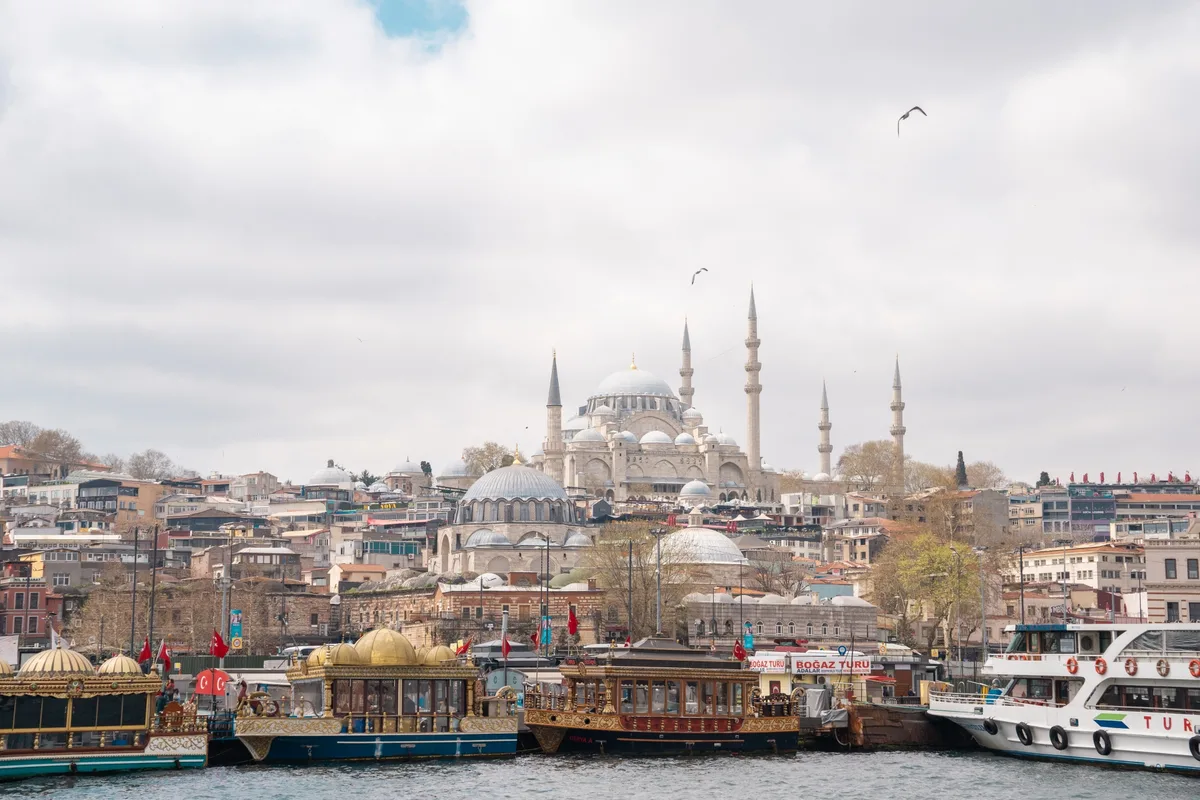
Plan for removing shoes where the route requires it, and wear socks you are comfortable walking in. Do not assume the rules for a ticketed gallery are identical to those for a prayer hall. Keep beachwear for the beach and change before a religious visit. Treat clothing as preparation for entering a working place of worship, rather than as a costume for photographs.
Coast and summer: separate swimming from sightseeing
If swimming is part of the itinerary, pack a swimsuit, a cover-up and footwear suited to the beach or pool you will use. Keep a dry town outfit available for lunch and onward travel. The same lightweight shirt or trousers can cover the transition without adding another complete wardrobe.
Choose breathable fabrics you can wash and dry before the next hotel change. One extra lightweight top is often more useful than a heavy second pair of jeans. Carry a bag for wet clothing during a transfer, then unpack it promptly at the next stop; sealing damp items for several days creates a problem that no packing organizer solves.
Plan outdoor sightseeing around the forecast rather than assuming a summer outfit makes a long midday walk comfortable. A hat, shade breaks and a shorter route are useful additions to the clothing plan. Keep a light layer for the journey between destinations, where the conditions can differ from the beach.
A reusable seven-day packing capsule
- Three or four everyday tops that work with both bottoms.
- Two practical bottoms, including an option suitable for religious visits.
- One middle layer and an outer layer selected for the forecast.
- Comfortable walking shoes; add specialist or beach footwear only if the itinerary needs it.
- Underwear and socks for the planned laundry interval, plus a spare set in hand luggage.
- Sleepwear, a compact scarf, sun protection and activity-specific additions.
This is a starting list, not a rule about how little you must travel with. For winter, increase insulation and add warm accessories. For a longer trip, plan laundry instead of automatically doubling everything. Check whether the hotel offers a service, what it costs and whether clothes can be returned before your next departure.
Lay everything out and remove pieces that do only one unnecessary job. Then test the bag against every flight's allowance, including domestic sectors. Keep medication, documents, a change of clothes and the layer needed on arrival in hand luggage. Your first transfer should remain manageable if the checked bag is delayed.
The final forecast check
- Check each overnight destination and the days of outdoor activities on the official forecast.
- Compare the morning low, afternoon high, rain and wind rather than reading only the weather icon.
- Confirm the operator's equipment or dress requirements for any booked activity.
- Replace one unsuitable item before adding several emergency outfits.
- Check that the packed bag remains easy to move between the airport, station and hotel.
Keep one indoor or low-exposure alternative for a day when the weather changes. Good packing helps you adapt; it cannot guarantee a balloon flight, dry trail or comfortable swim. If the forecast changes after arrival, adjust the activity first and buy an essential missing layer only when it is actually needed.
BEFORE YOU GO
Common questions
Do women need to cover their hair throughout Türkiye?
Do not apply a mosque's entry requirements to every setting. Carry a scarf for religious visits where it is required, choose clothing for the location and activity, and follow the instructions at each entrance.
Can I wear trainers for an Istanbul city trip?
Comfortable walking shoes are a practical choice for ordinary sightseeing. Choose a pair already tested for long days, with grip appropriate to the forecast. Specialist outdoor activities may need different footwear.
Is summer clothing enough for Cappadocia?
Plan separately for dawn and afternoon. Check the forecast and your activity operator's advice, and carry a warmer layer for early starts even when daytime sightseeing needs lighter clothes.
THE INFORMATION BEHIND THE GUIDE
References
Official and operator information checked on 9 October 2026. Recheck conditions for your own dates. The itinerary and decision examples are editorial suggestions; they are not booked services or first-hand reviews.
- City forecasts and weather warnings ↗Turkish State Meteorological Service · checked 9 October 2026
- Istanbul long-period climate statistics (Turkish) ↗Turkish State Meteorological Service · checked 9 October 2026
- Nevşehir long-period climate statistics (Turkish) ↗Turkish State Meteorological Service · checked 9 October 2026
- Antalya long-period climate statistics (Turkish) ↗Turkish State Meteorological Service · checked 9 October 2026
- Türkiye safety and security advice ↗UK Foreign, Commonwealth & Development Office · checked 9 October 2026