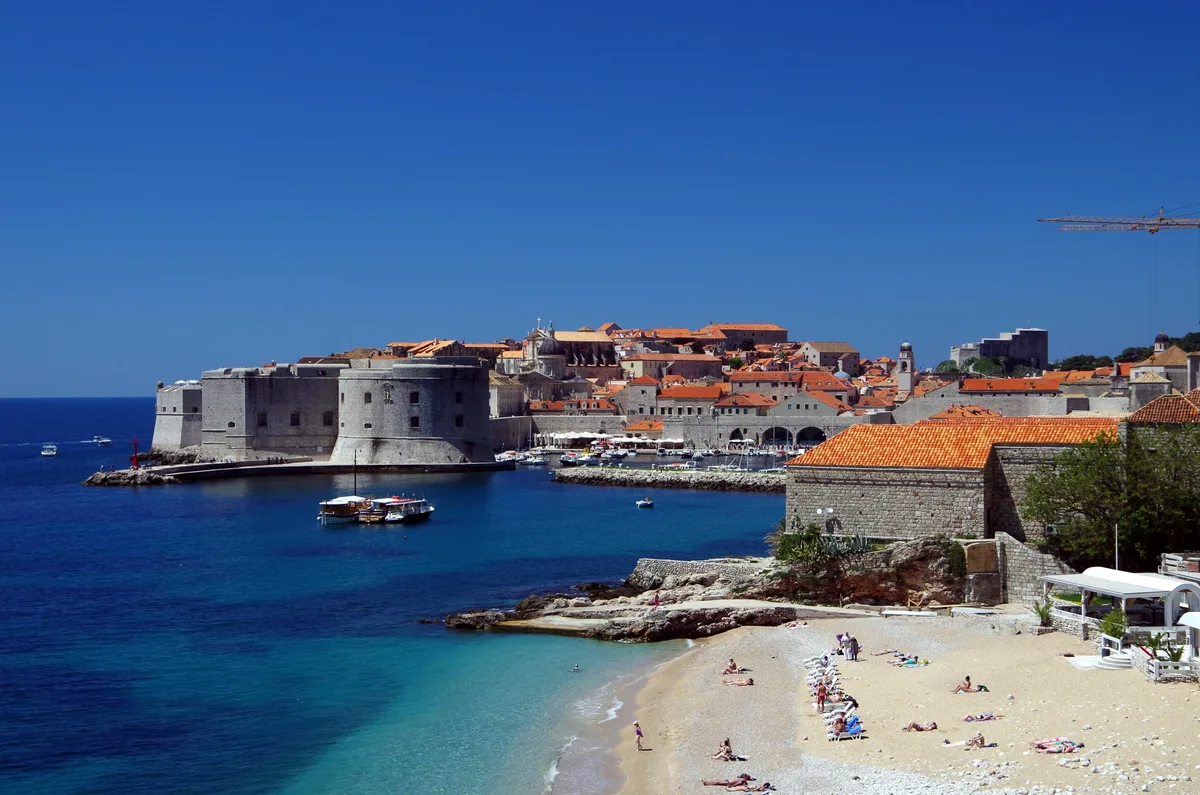
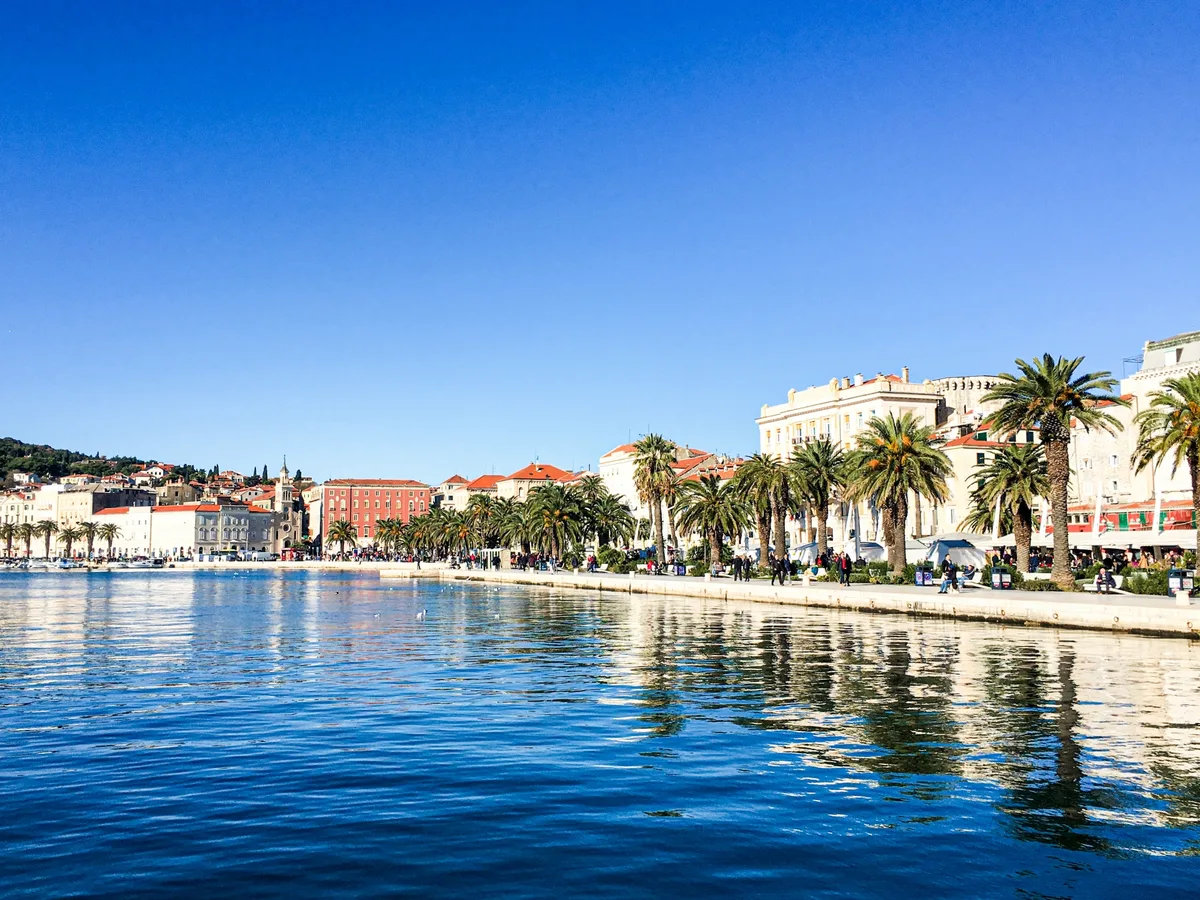
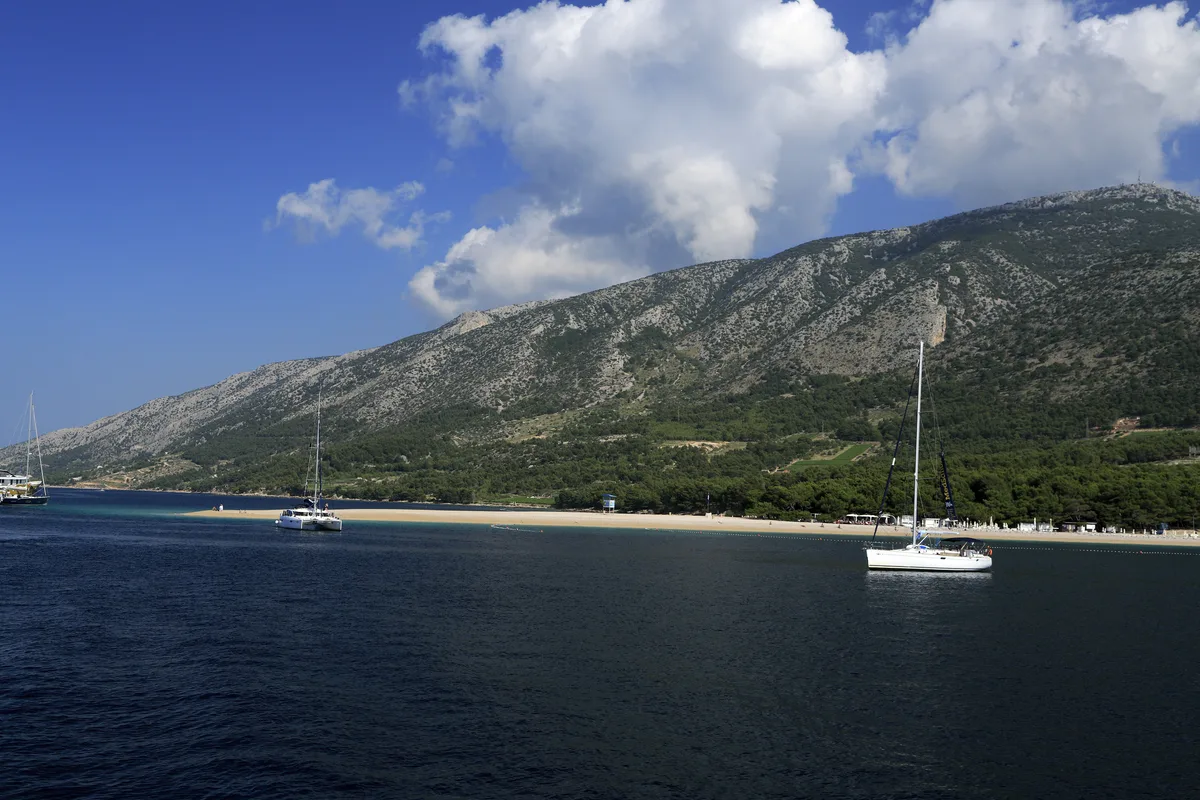
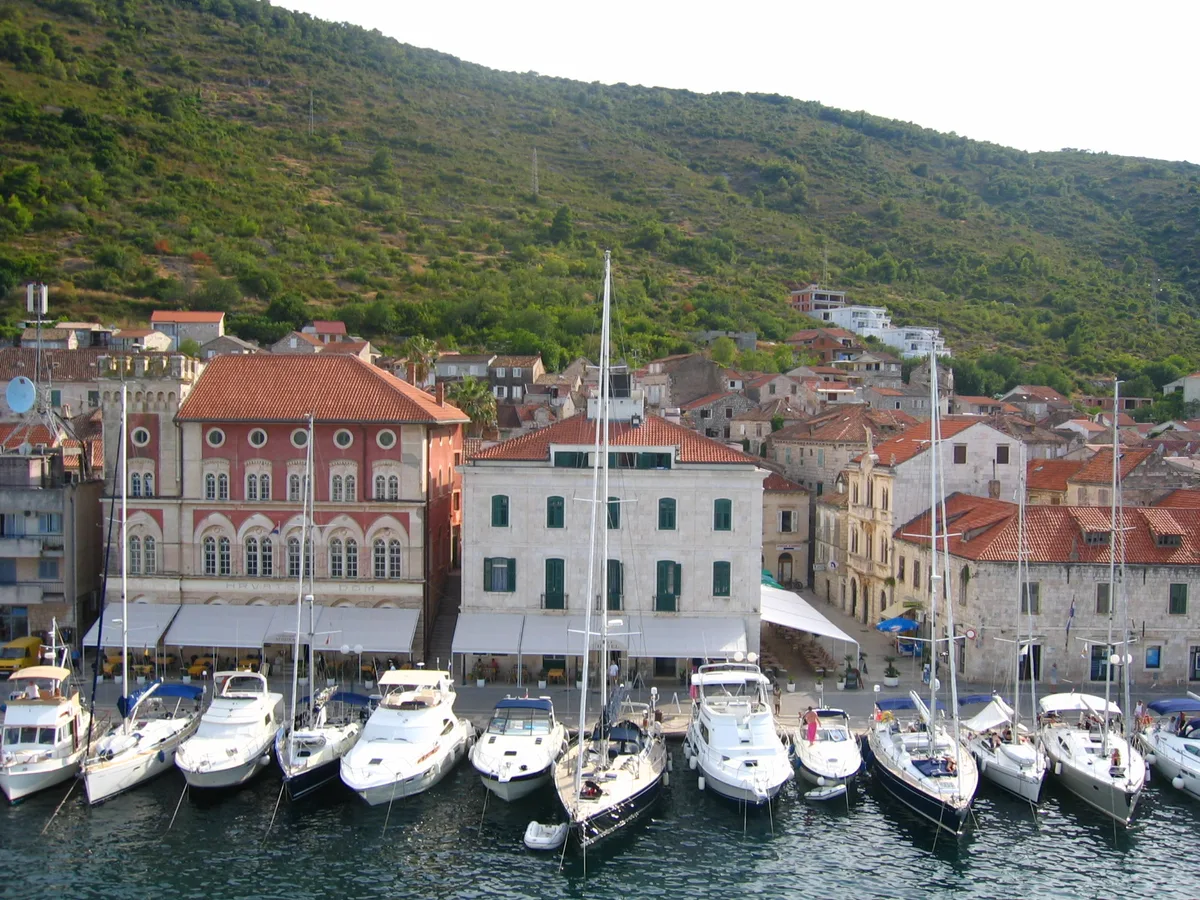
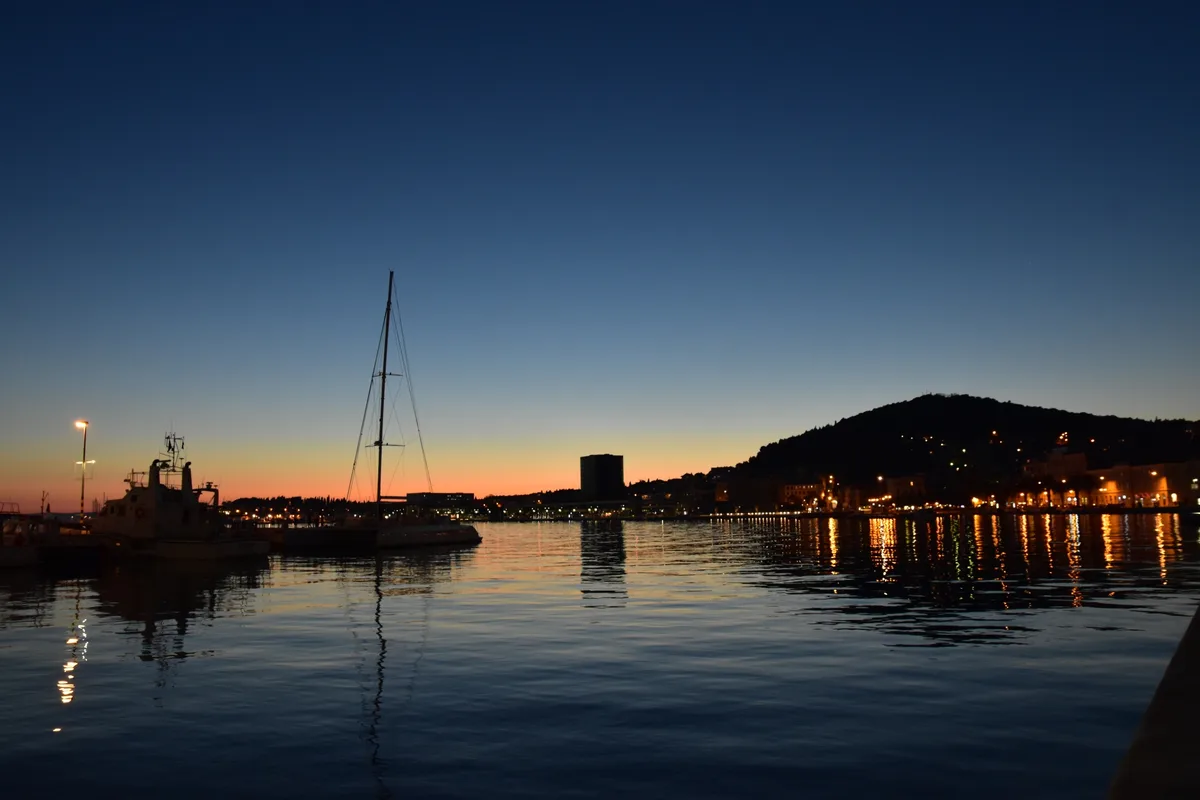
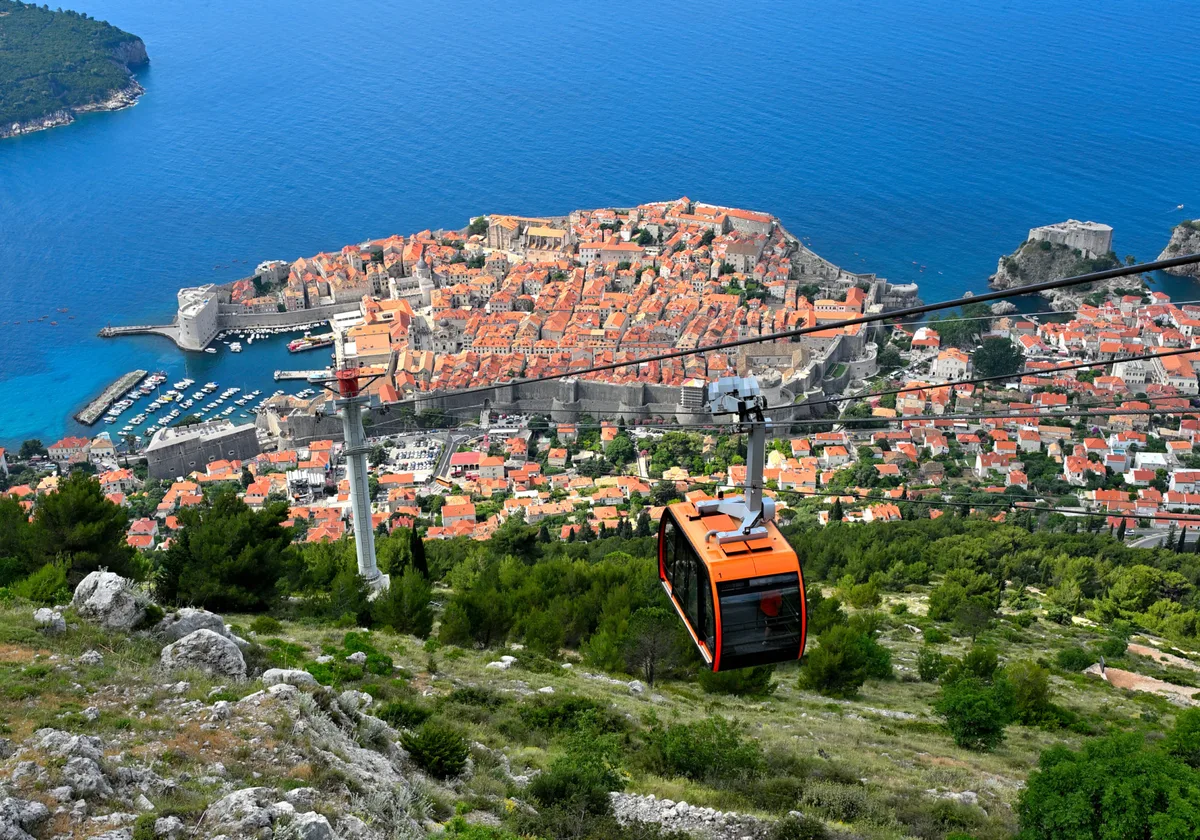
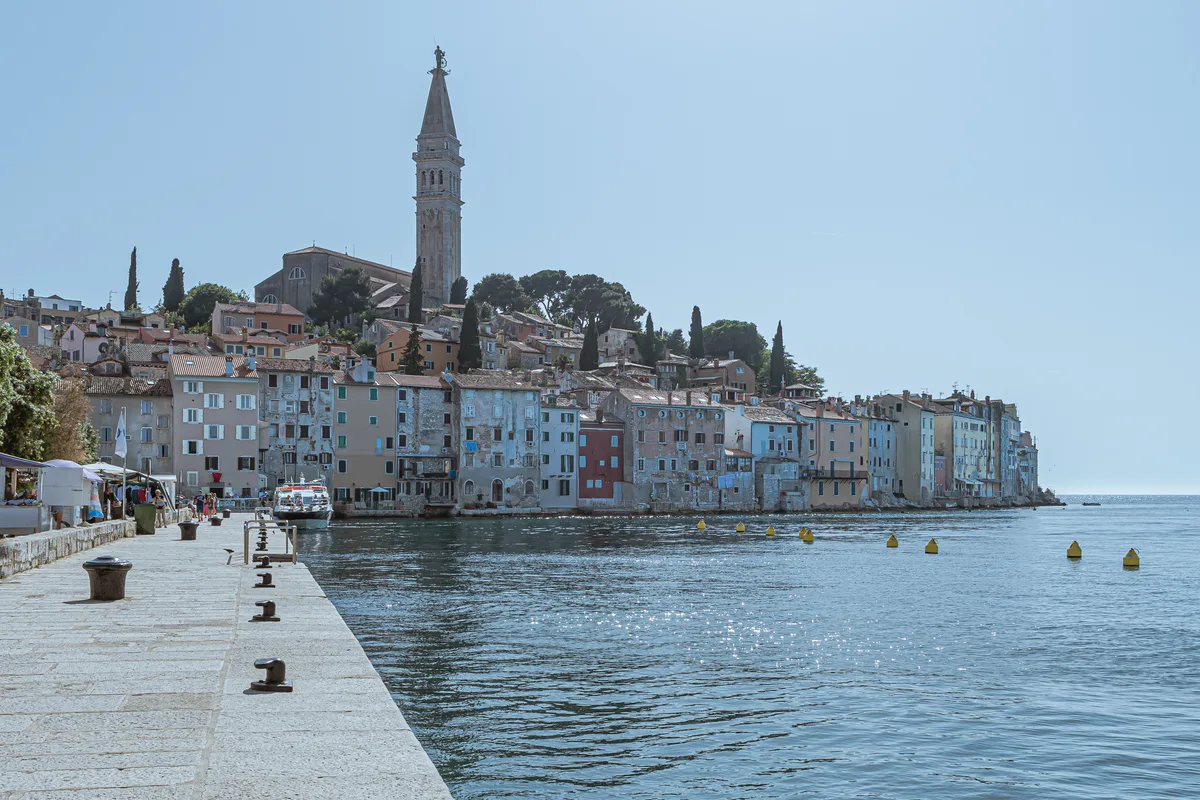
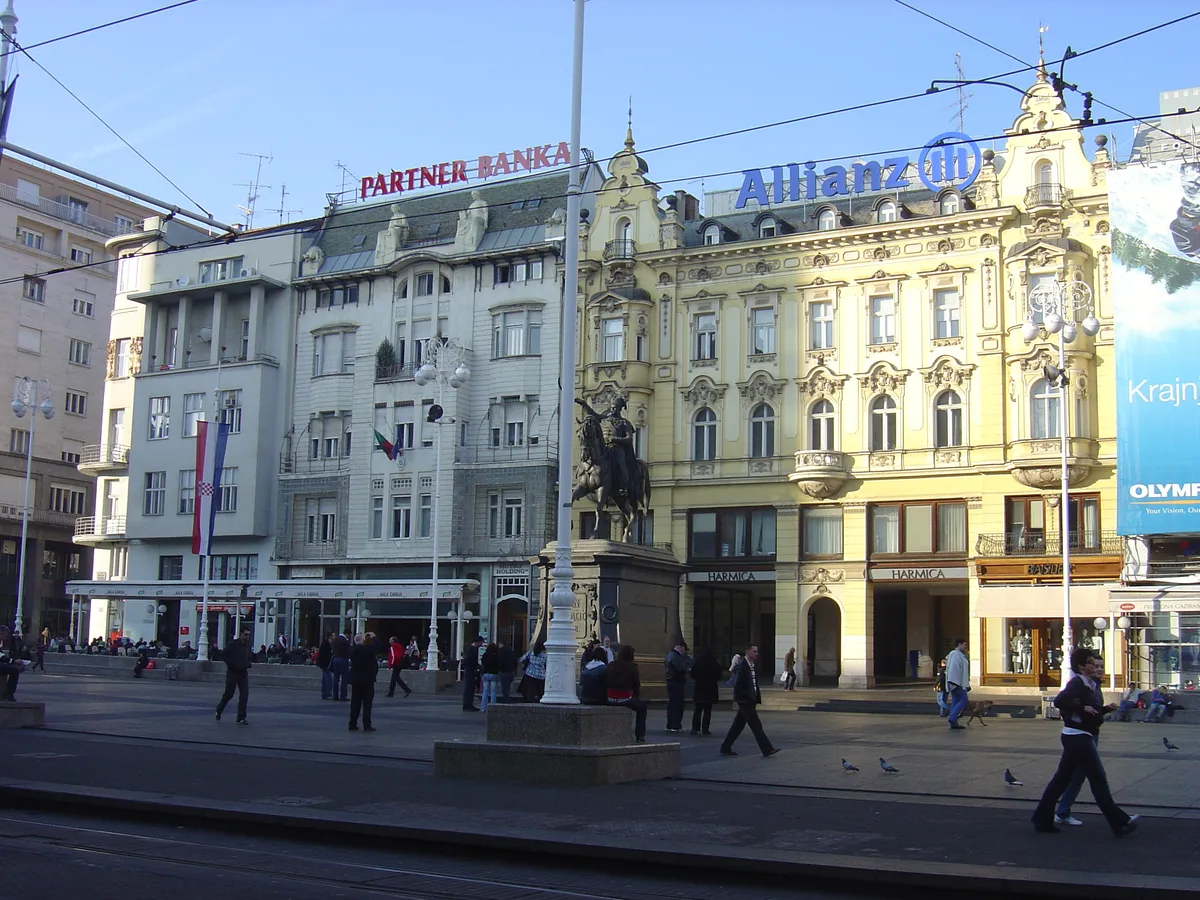
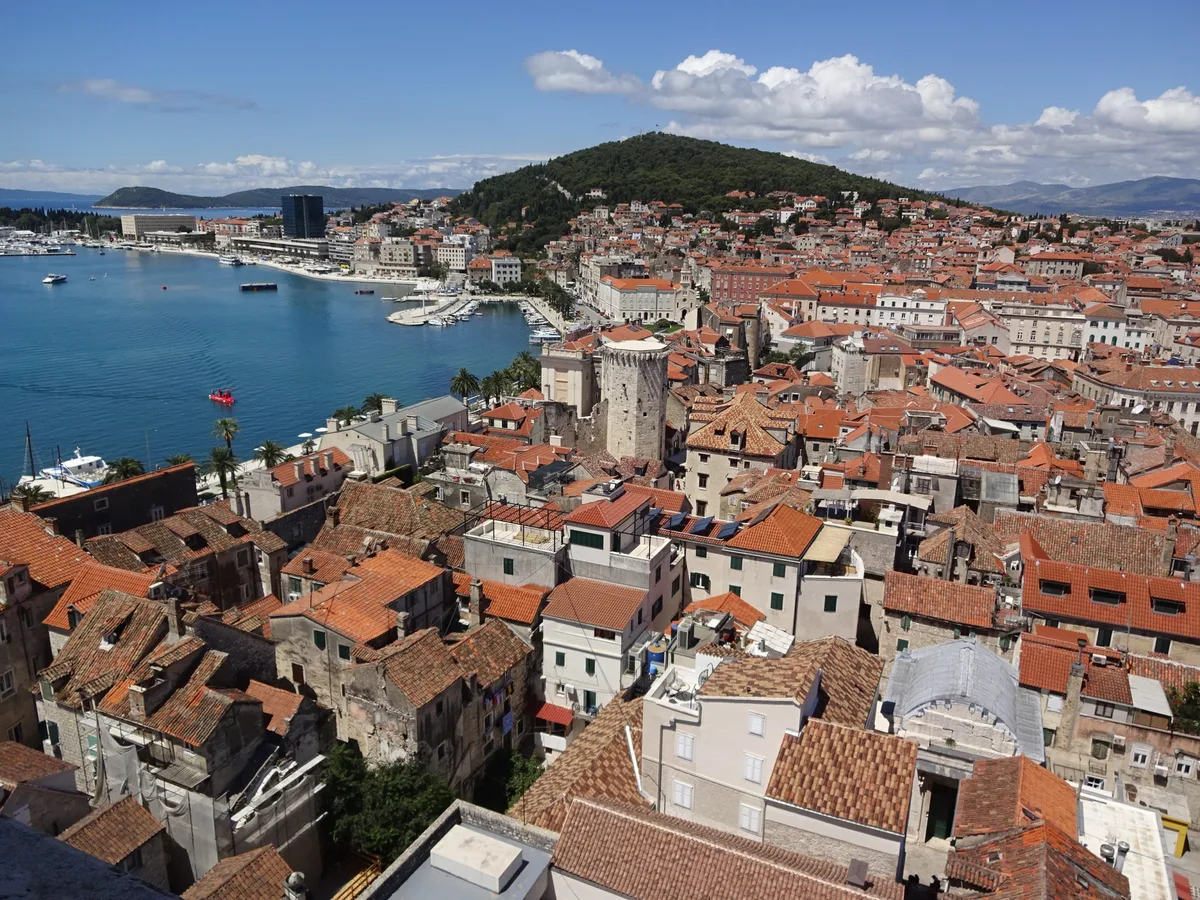
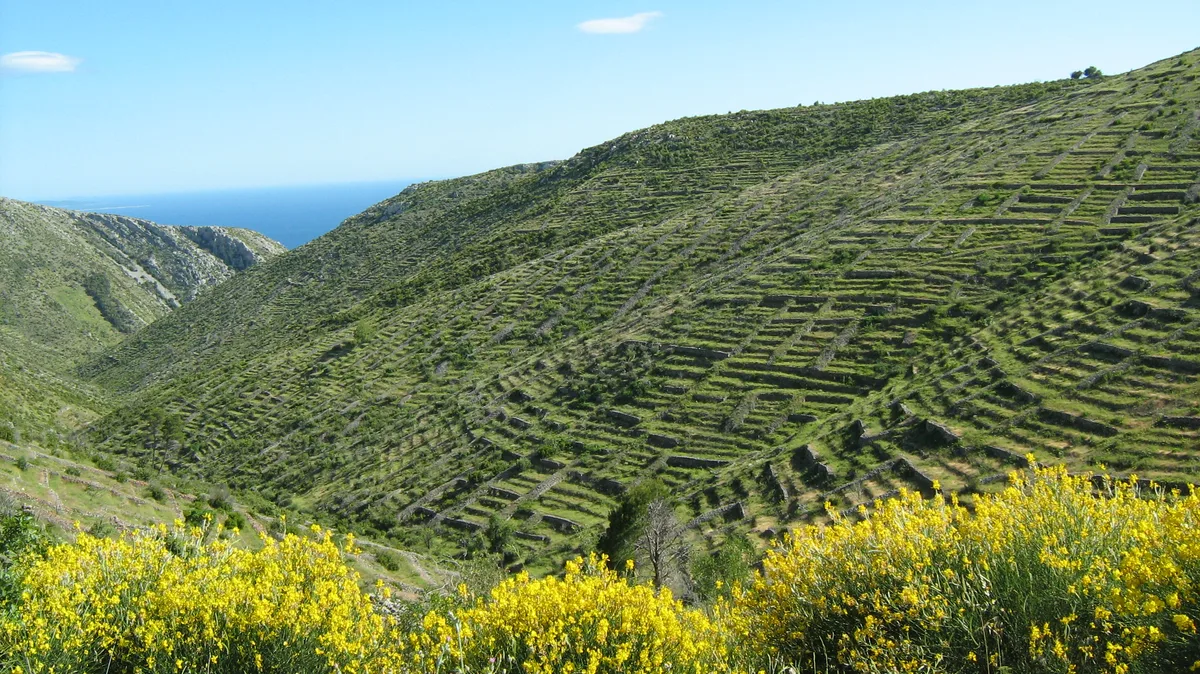
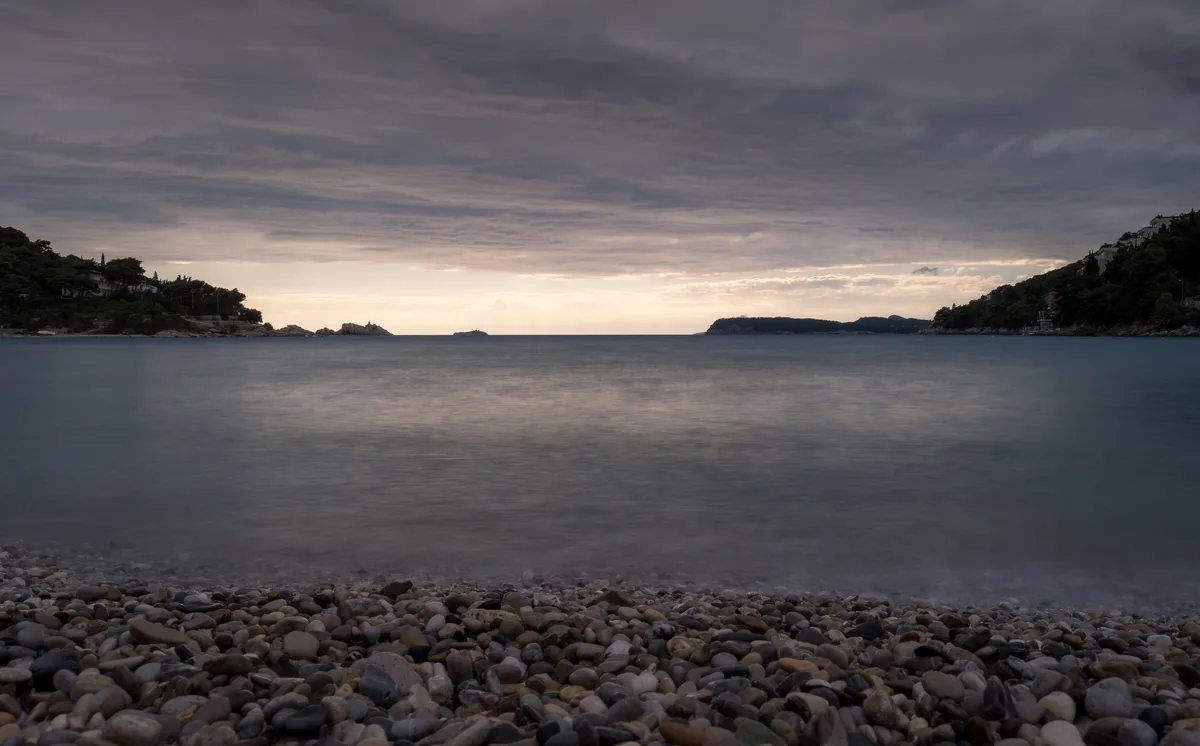
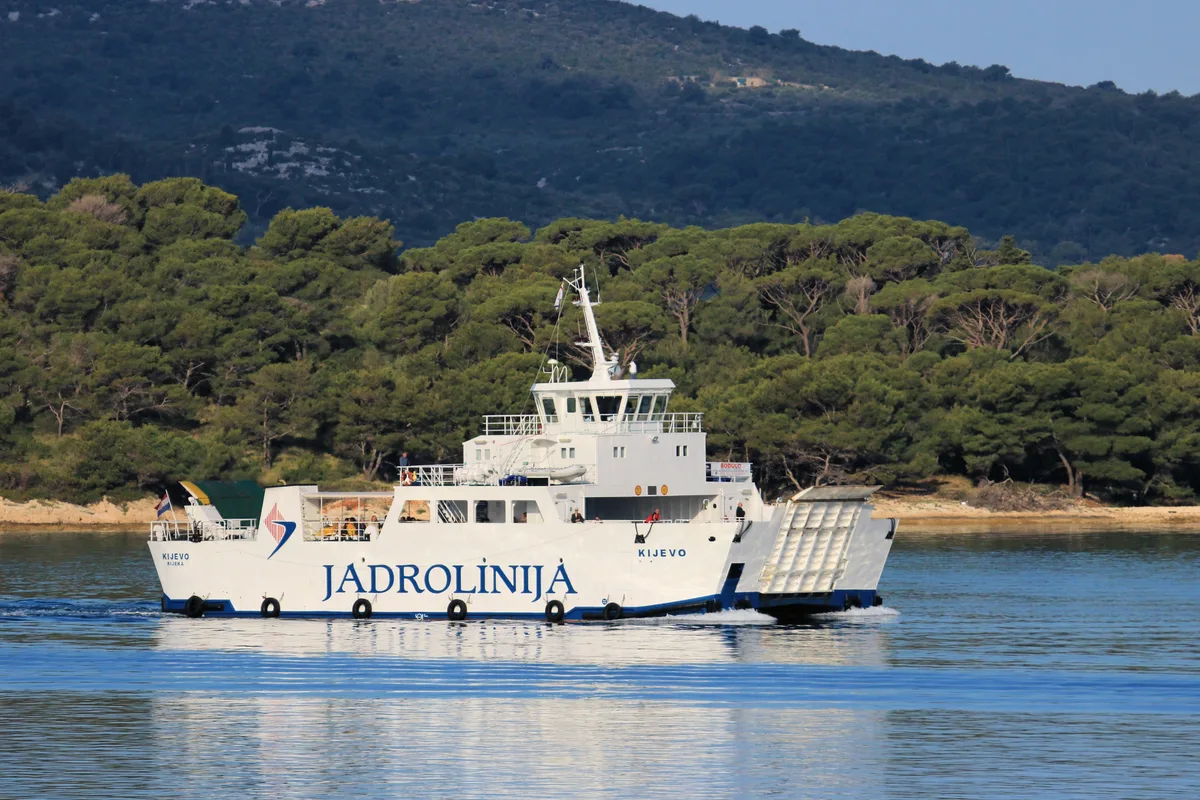
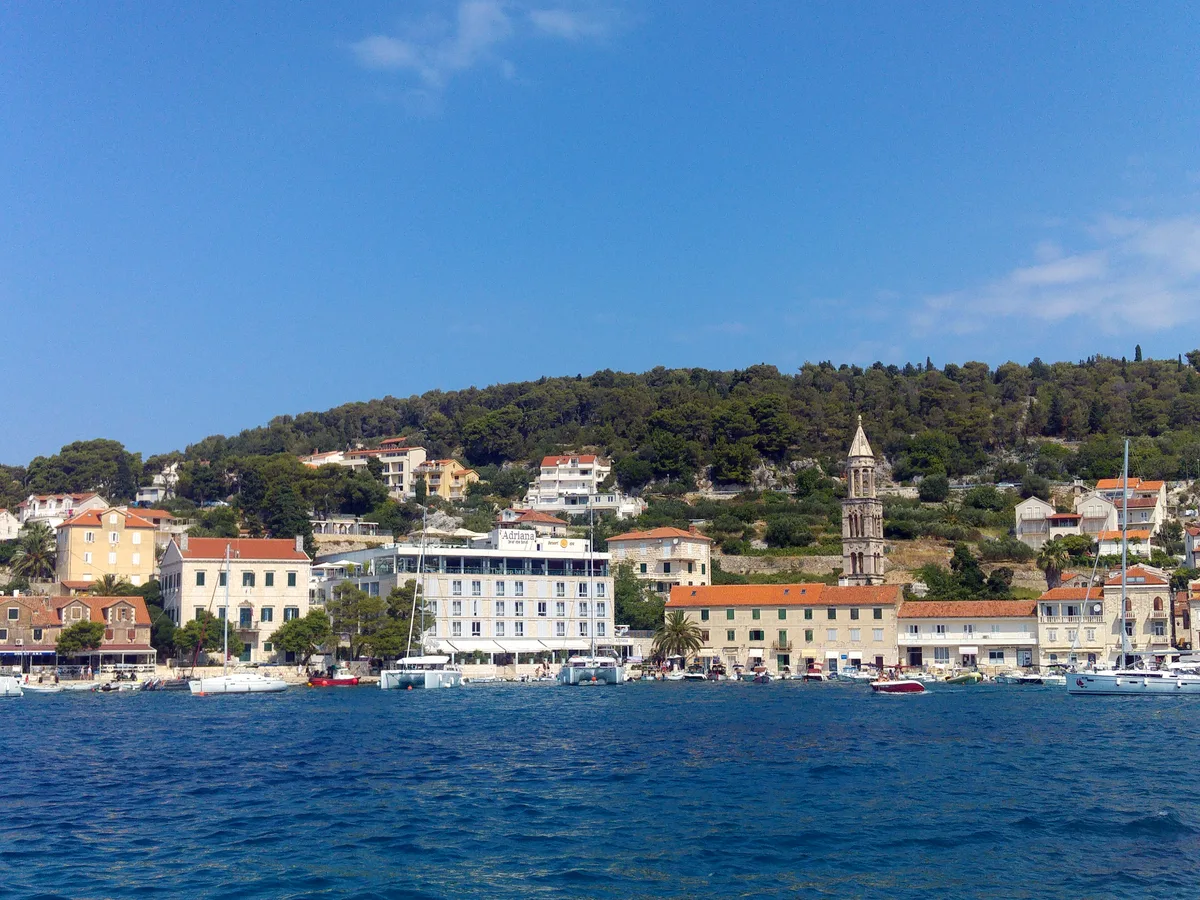
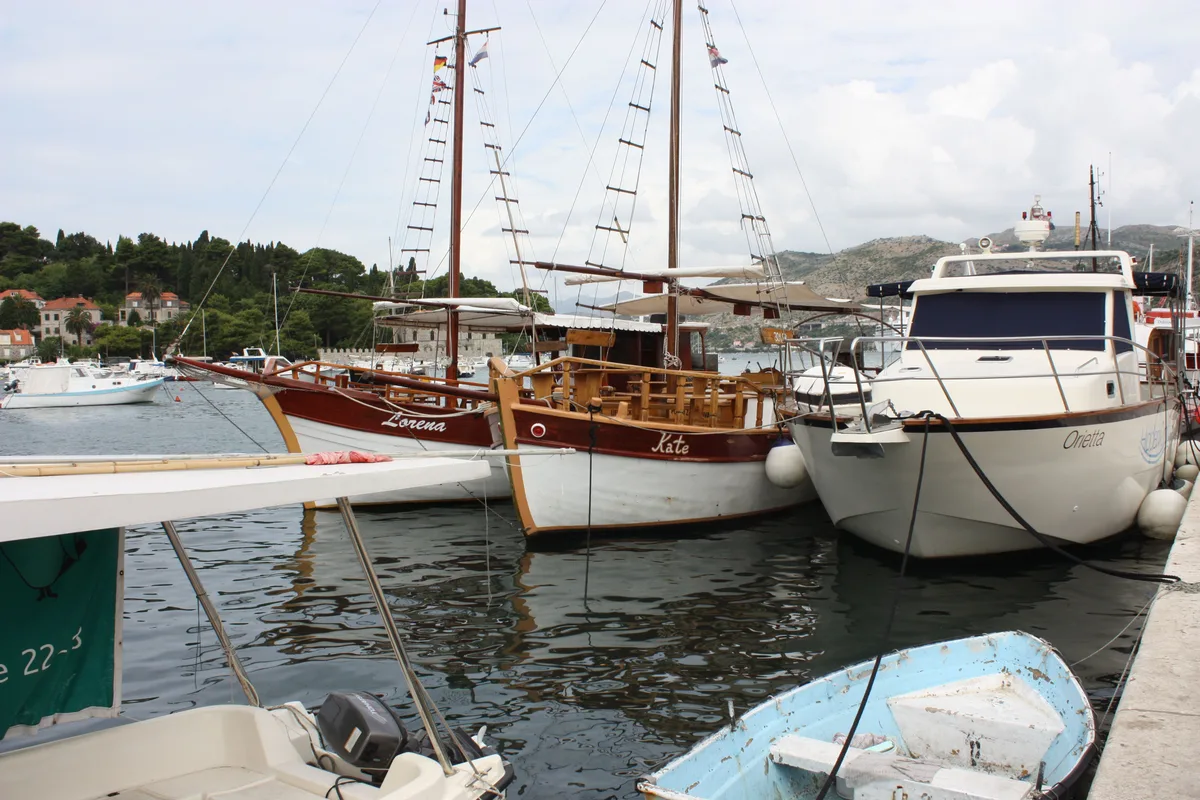
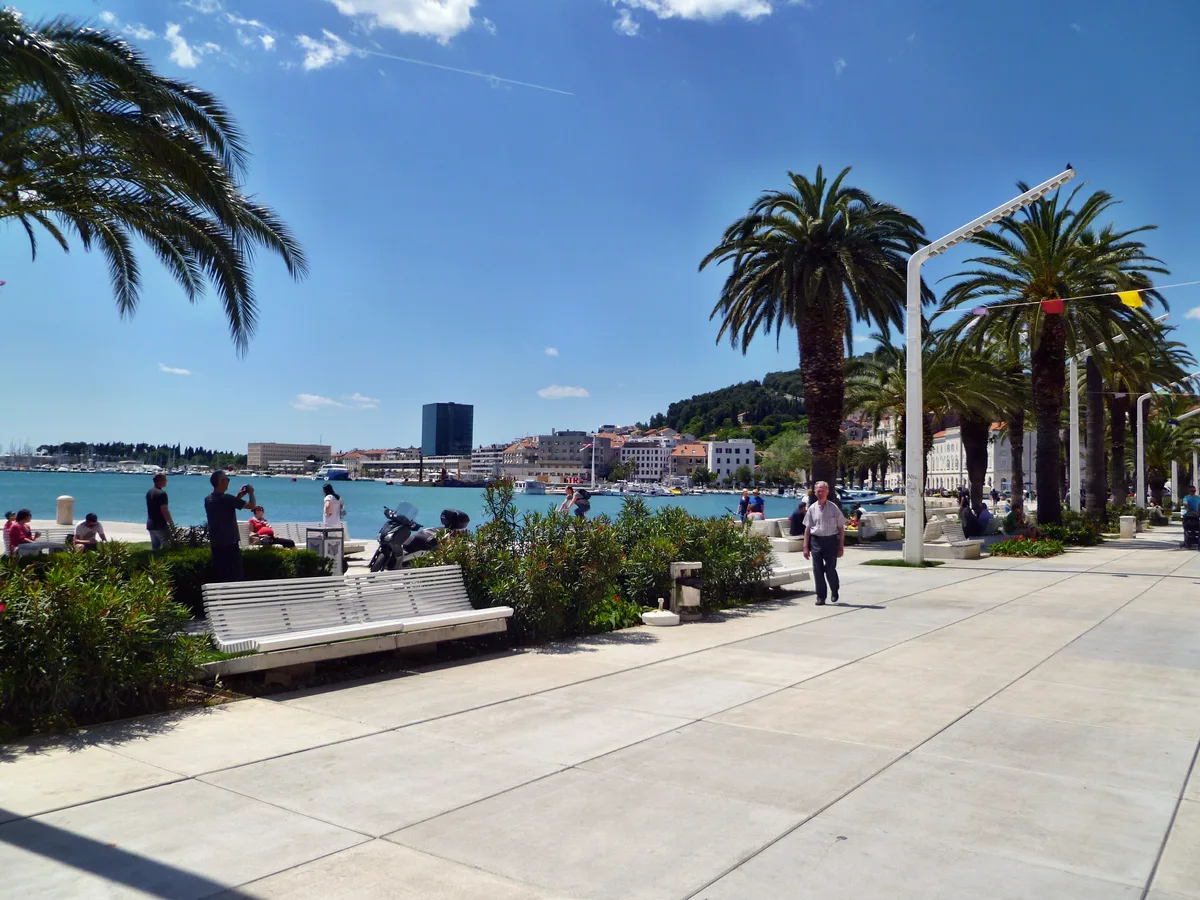
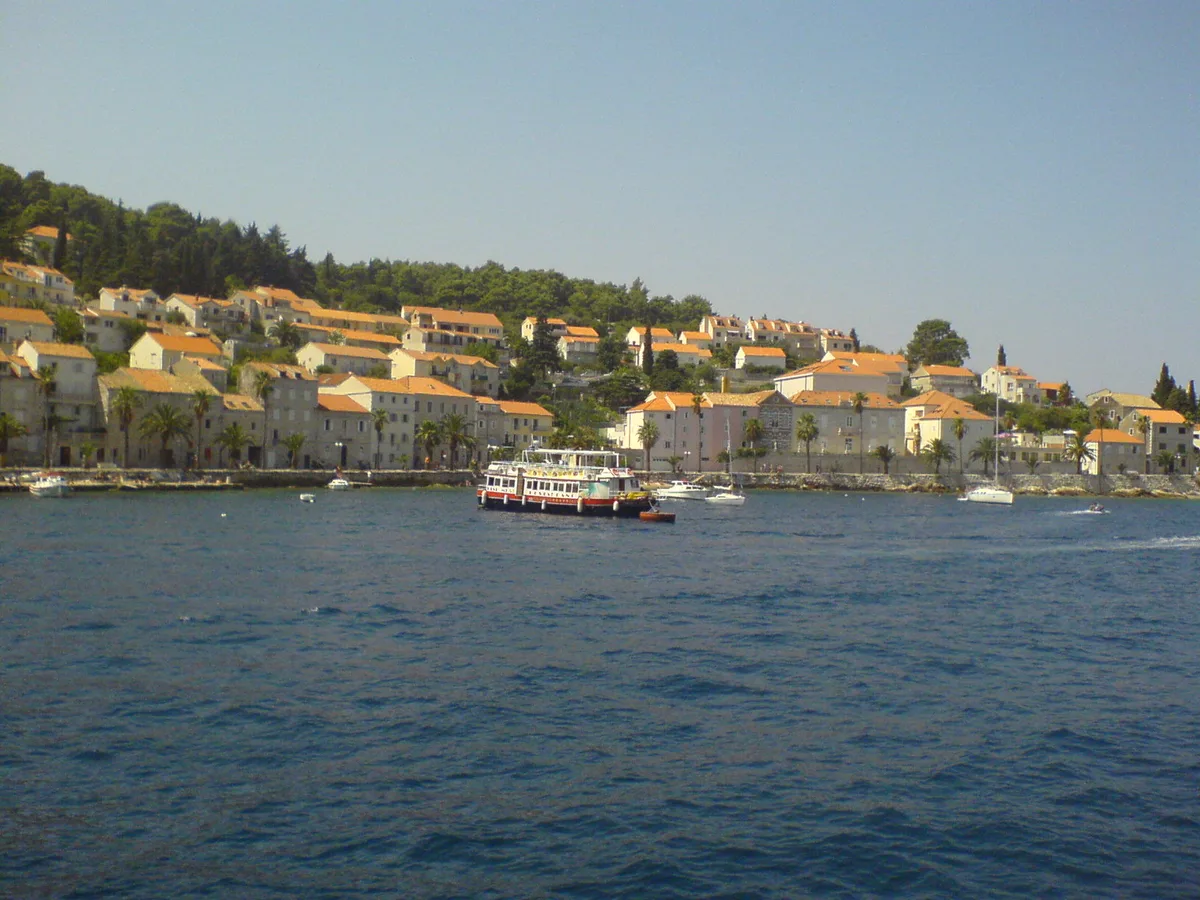
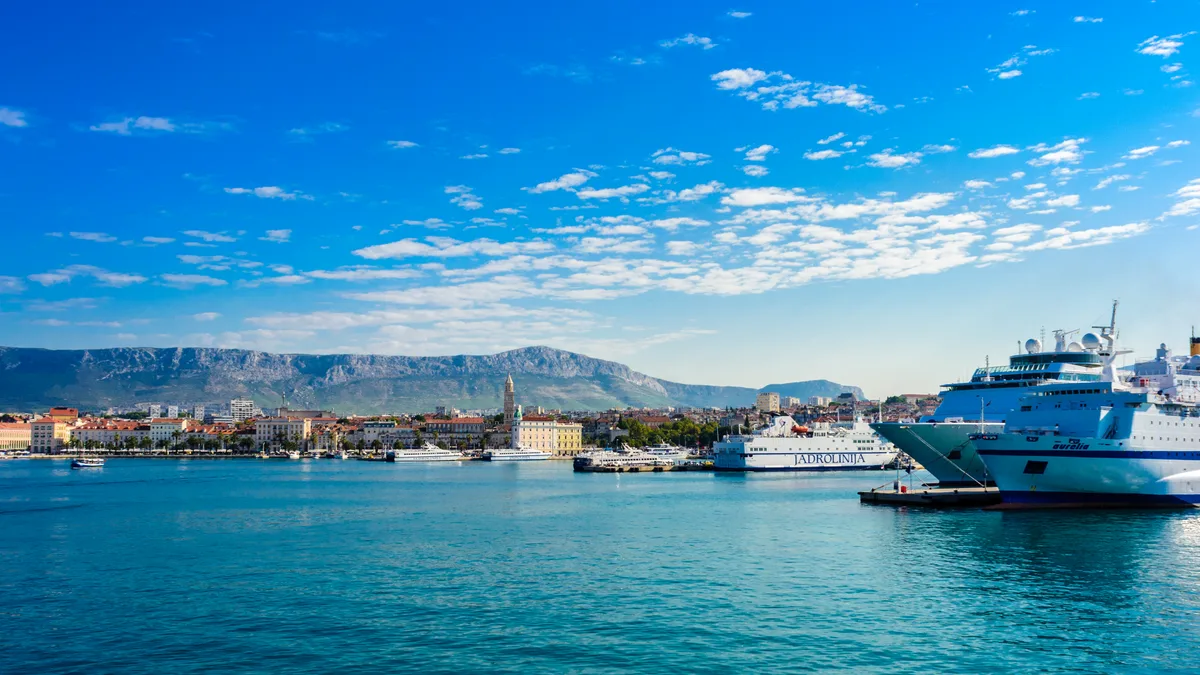
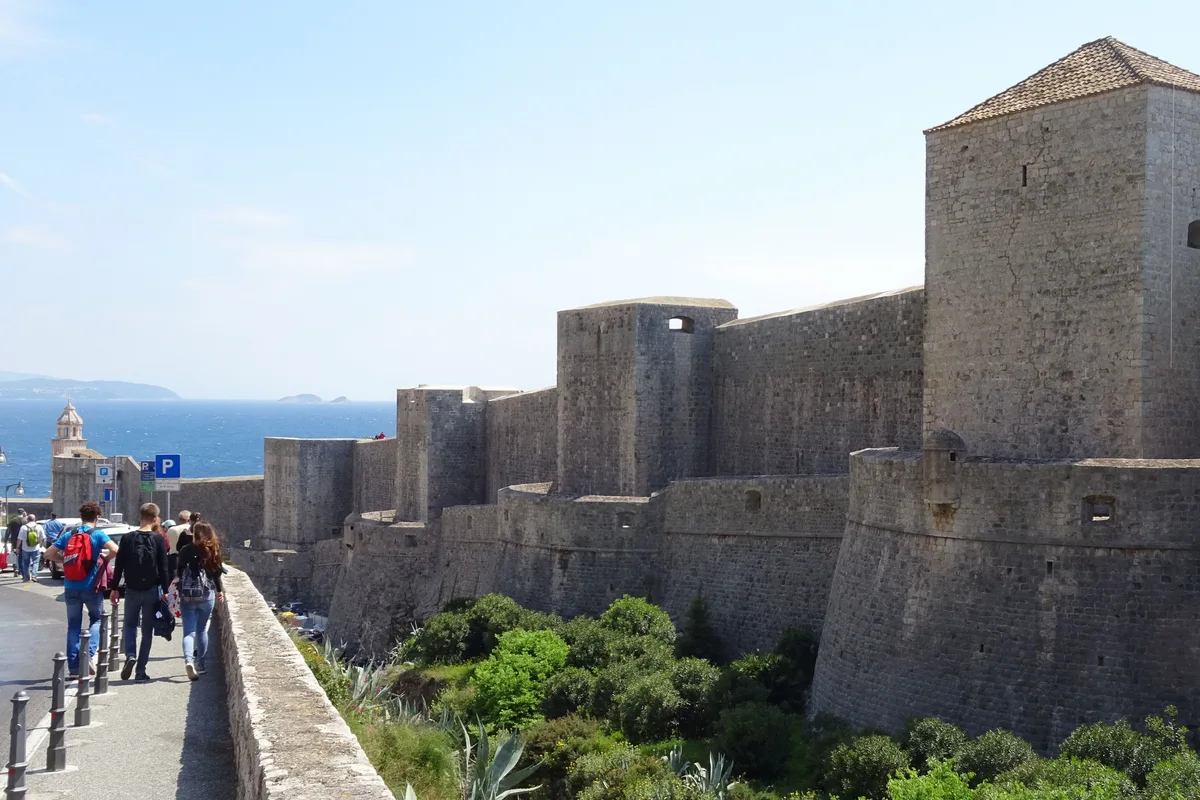
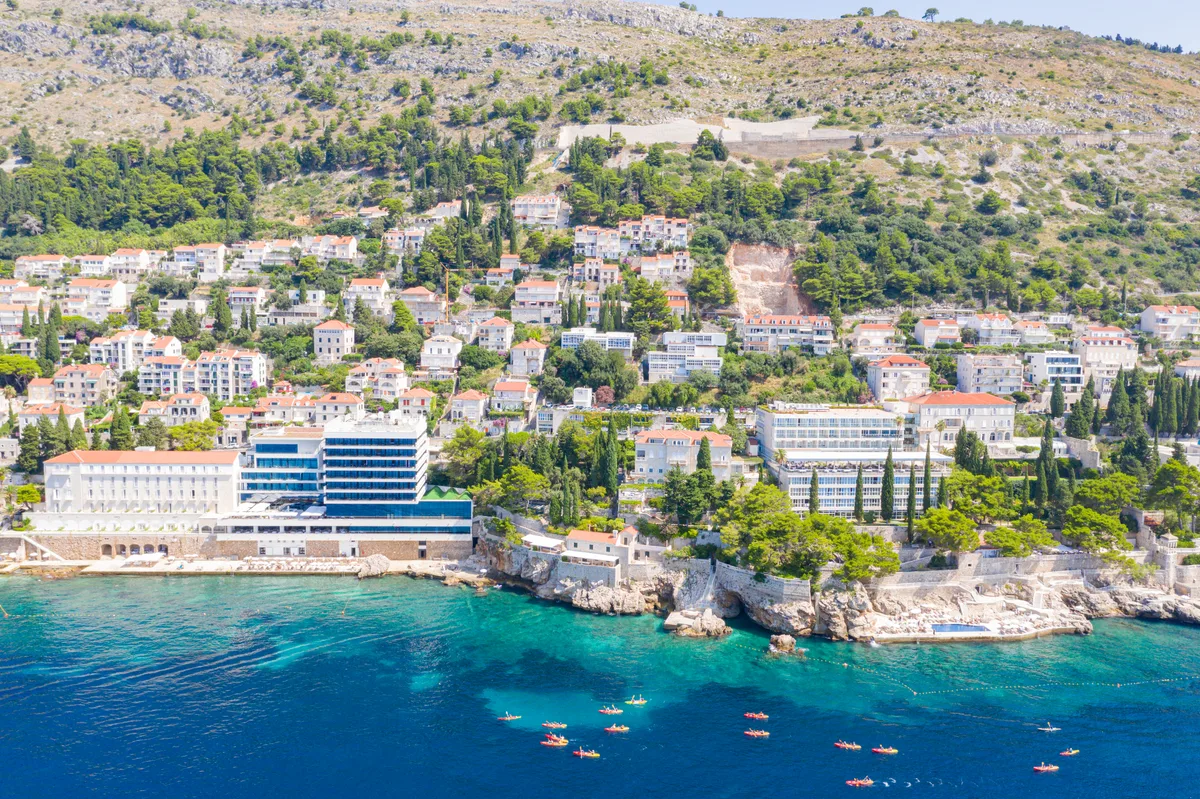
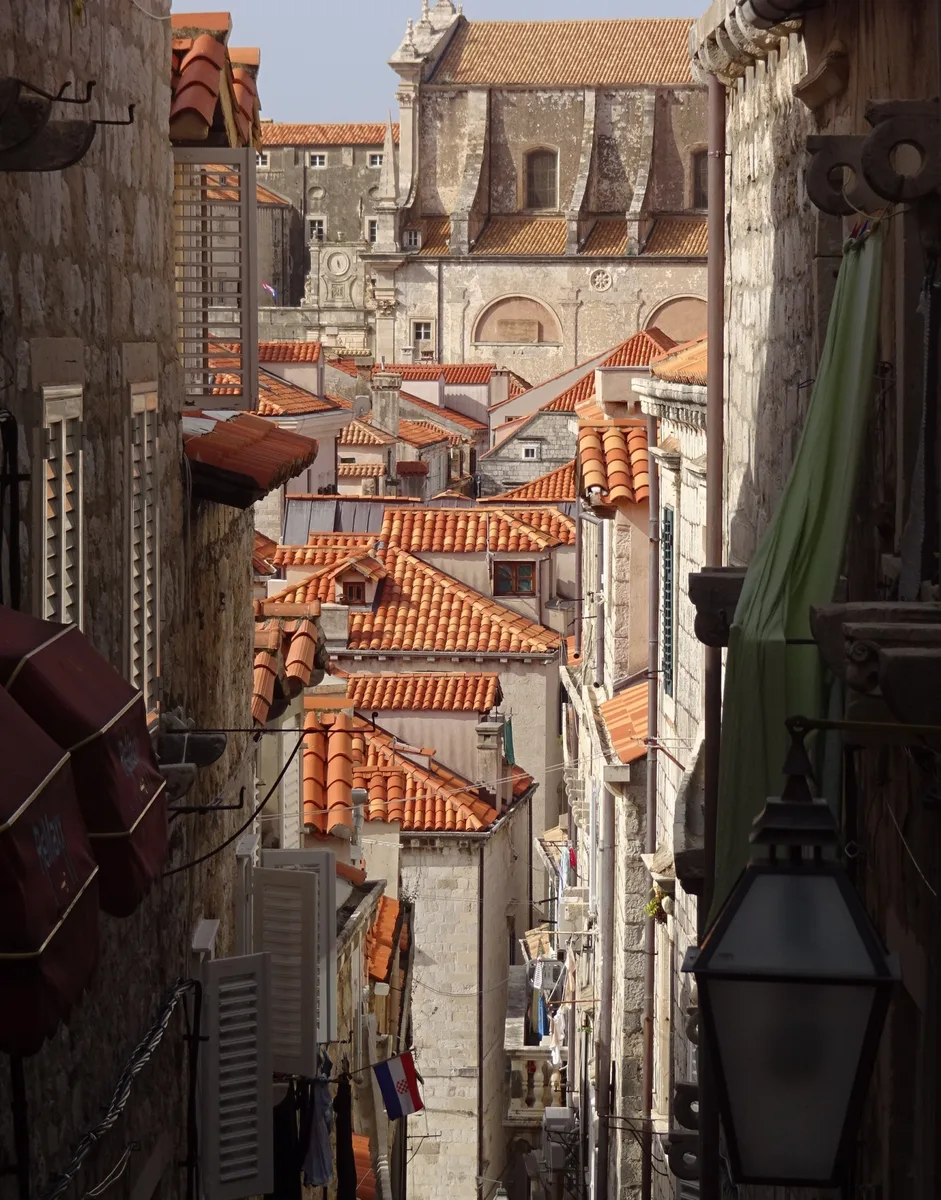
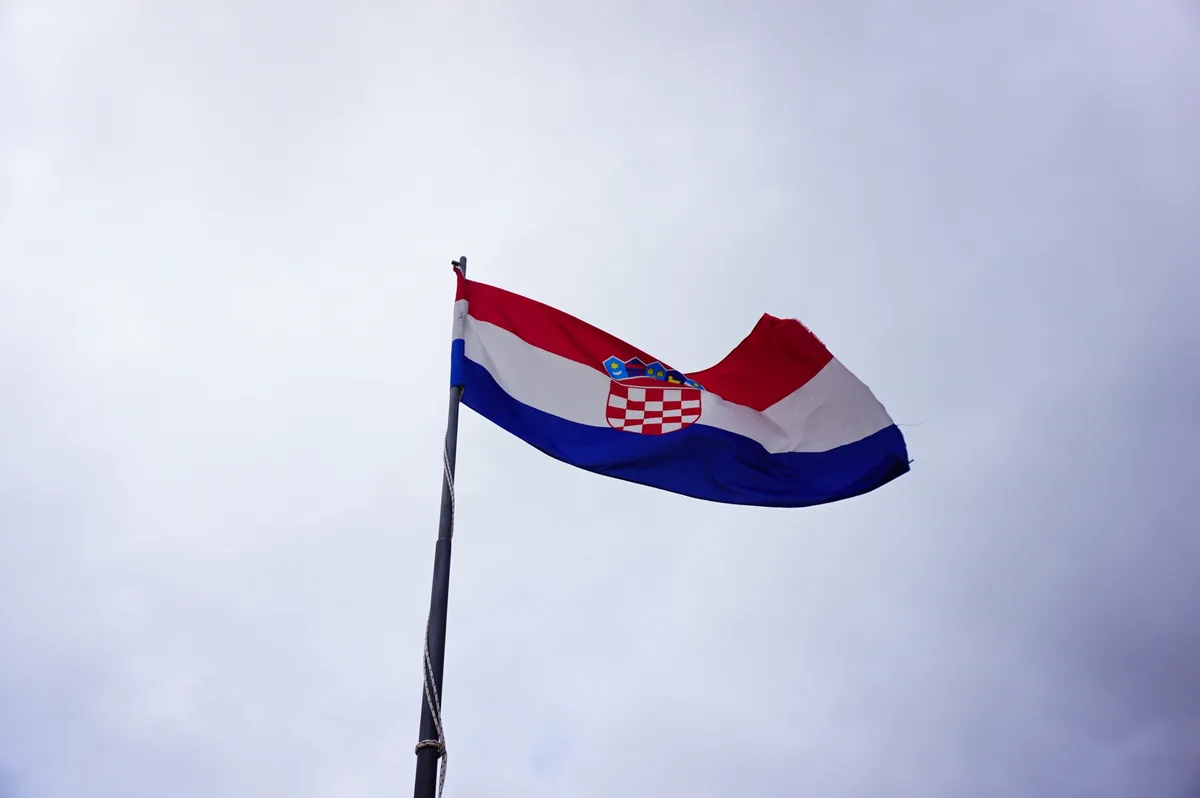
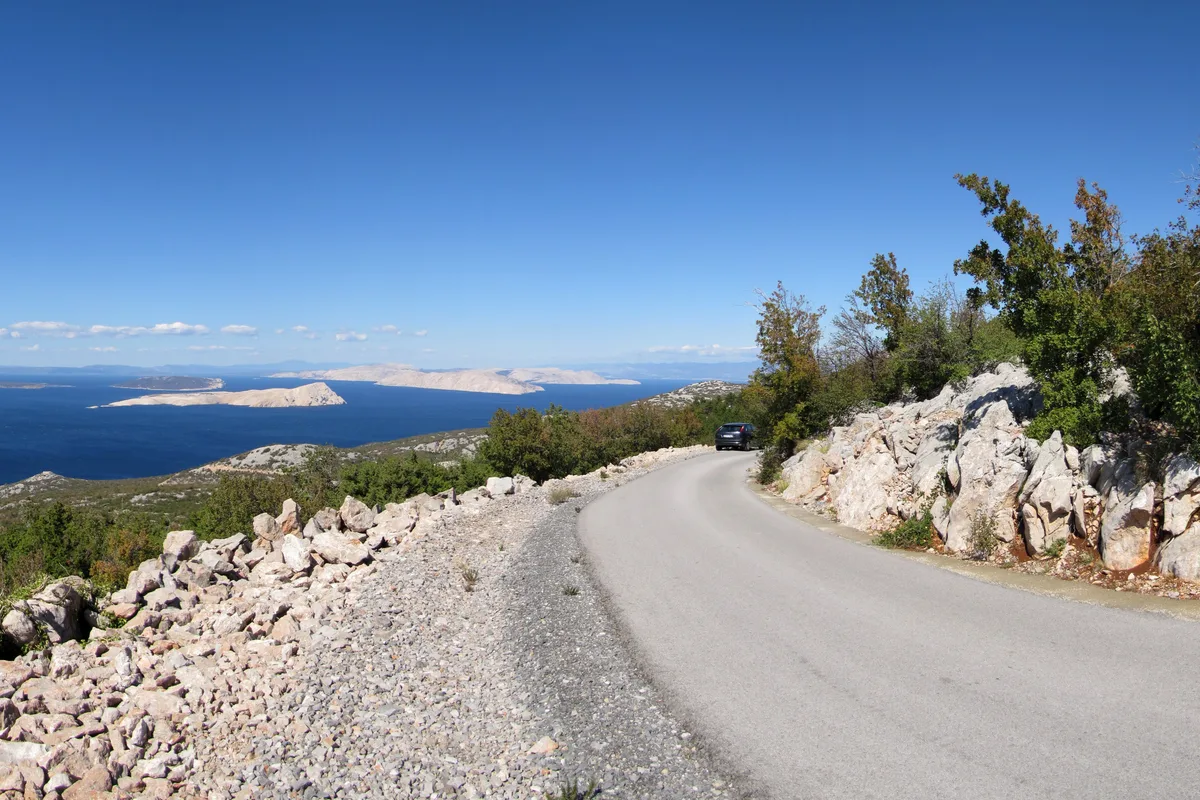
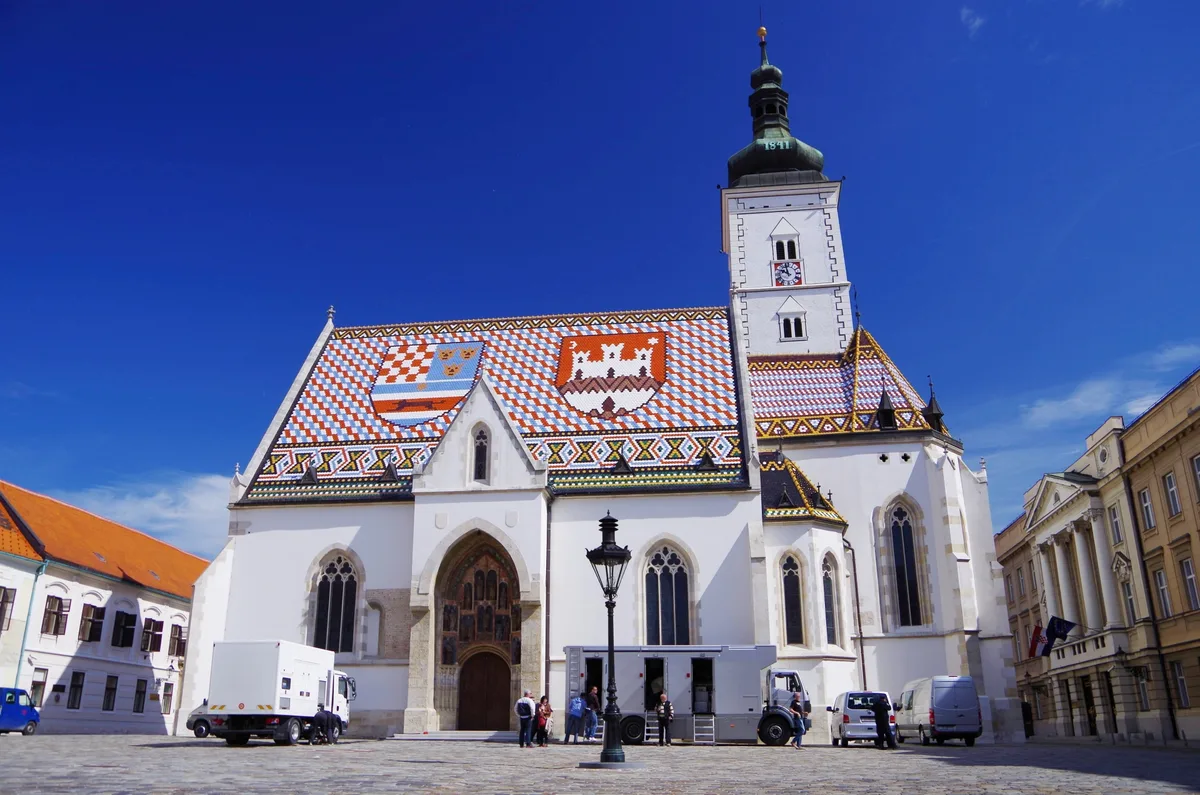
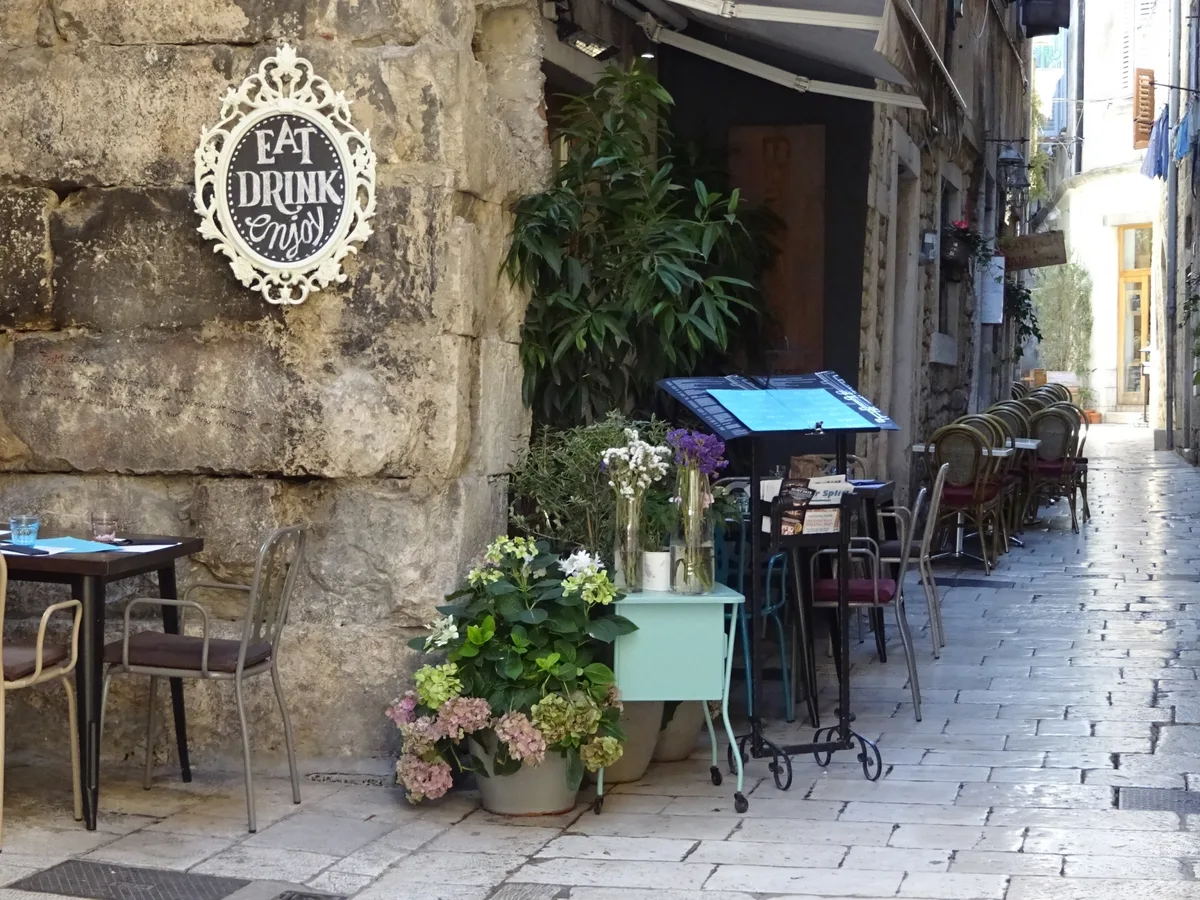
Old towns and island stays, connected by the right ports and dates.Photo supplied by the publisher.
YOUR FIRST DECISIONS
Before the bookings. Choose your route.
A Croatia route becomes clearer when you choose the season, arrival airports and whether a car needs to travel with you. Islands, historic streets and national parks can share an itinerary, but each adds different transport and access needs.
Begin with the Schengen entry check and a small number of bases. For island travel, confirm exact ports and dated departures before fixing the hotel nights. Keep a mainland buffer around important flights and a practical plan if the sea changes the journey.
Build a first Croatia route around your airports, dated ferry connections and a final mainland buffer, with alternatives for parks, islands and a slower trip.
Choose a Hvar island base by your ferry port, evening plans, beach access and luggage route, with practical comparisons of Hvar Town, Stari Grad and Jelsa.
Compare the Split airport shuttle, local bus and private transfer, then build a realistic onward ferry connection to Hvar with luggage and delay margins.
Choose a Dubrovnik airport transfer by your hotel district, understand the different arrival and return shuttle stops, and budget for the final luggage journey.
Compare Split–Dubrovnik travel by seasonal passenger ferry, coach, rental car and private transfer, including ports, luggage and the final hotel connection.
Decide when a Croatia rental car helps, compare the full cost and check licences, deposits, ferry permission, one-way returns and parking before booking.
Compare ferry and cross-border rental permissions, contract exclusions and Montenegro entry checks before planning an island drive or Dubrovnik–Kotor trip.
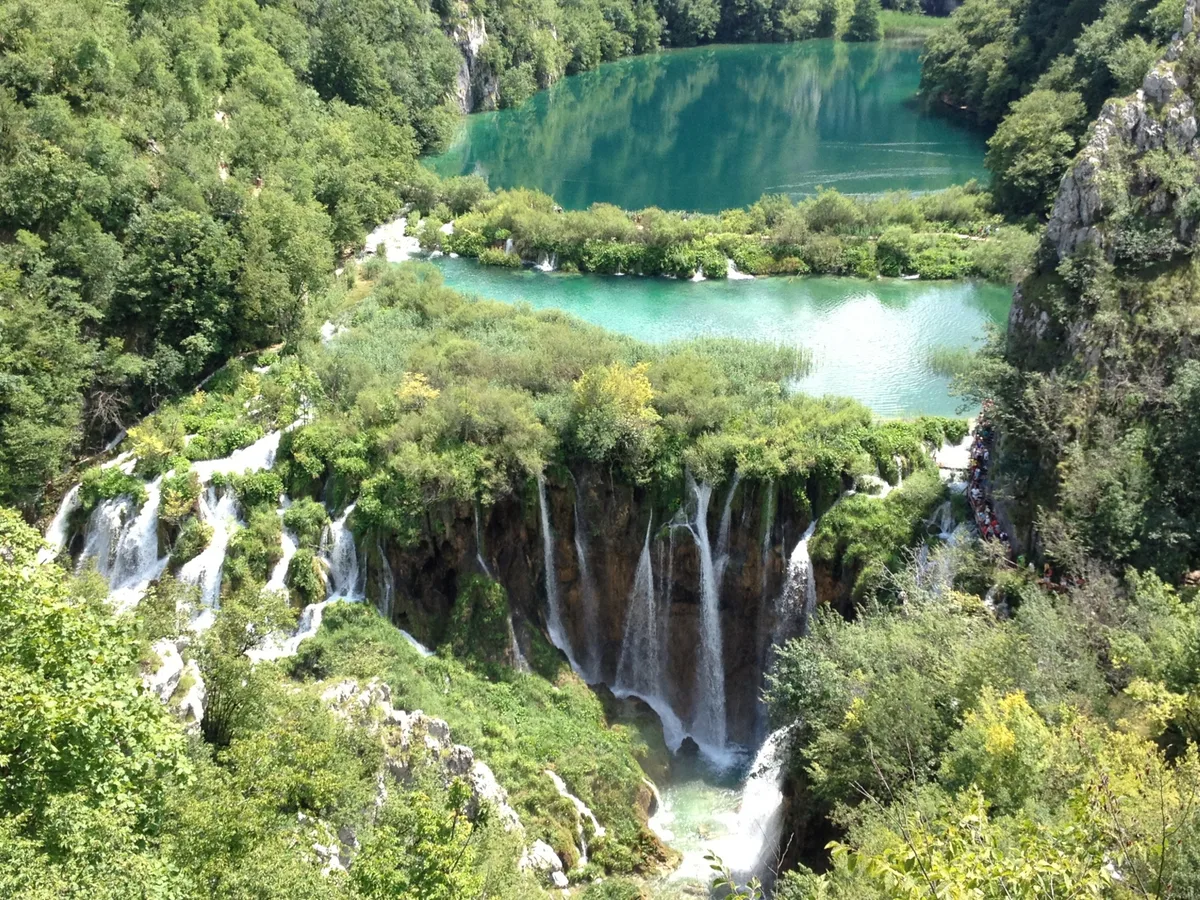
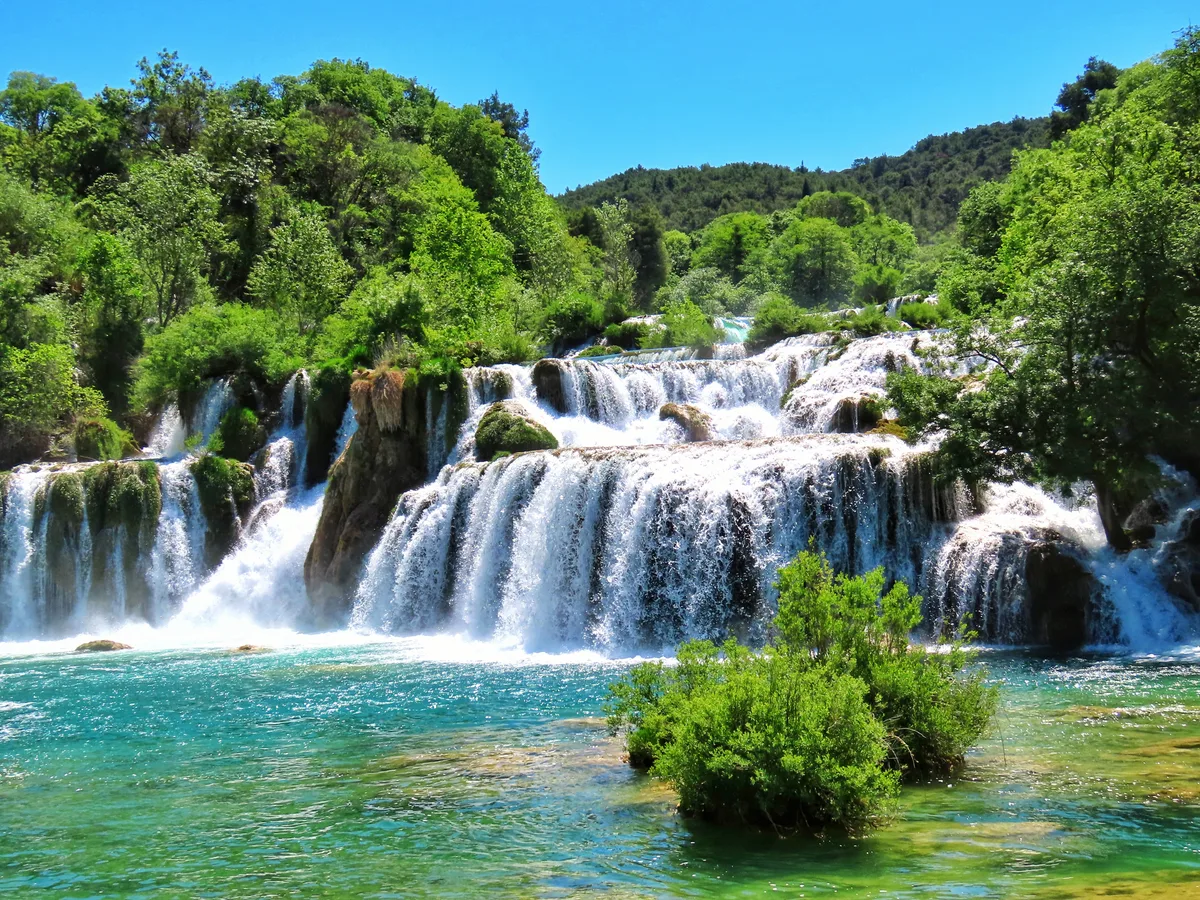
Compare Plitvice and Krka by starting city, walking route, entry cost and travel time. Choose the park that fits your Croatia trip, not just the photo.
Buying a Dubrovnik walls ticket? Compare it with the Dubrovnik Pass first, including museums, buses, activation and the separate child-price calculation.
Build a rainy-day plan in Split or Dubrovnik around museums and short old-town routes, with seasonal closure checks and alternatives to canceled boats.
Check the visa route for your passport, count time across Schengen countries, understand border systems and prepare documents for a coastal or cross-border trip.
Compare existing roaming, travel eSIMs and Croatian tourist SIMs, with a practical setup checklist for ferries, cross-border trips and offline tickets.
Check Croatia's non-EU arrival allowances, cash declarations and tourist VAT-refund paperwork. Plan the final EU exit and keep goods available for inspection.
Distinguish Croatia's operational EES border registration from ETIAS, which is not accepting applications, and prepare documents, family travel and error checks.
Pack layers for Croatia's coast and inland cities, choose shoes for stone streets and park routes, and check local visitor instructions before wearing beachwear into town.
Build a Croatia budget from dated operator tariffs and comparable quotes, with a Split–Supetar ferry calculation, Plitvice example and clearly hypothetical room-and-food model.
Check Croatia travel insurance alongside EHIC/GHIC, ferry disruption, activities and visa requirements. Review existing benefits and a SafetyWing Essential option.
These guides are based on official information and stated planning assumptions. Each article lists its references and actual source-check date. Prices, operating conditions and entry rules should be checked again for your own journey.