Croatia · Travel essentials
Croatia Travel Safety: Heat, Sea Conditions, Roads and Current Advice
Plan a Croatia trip around current advisories, coastal weather, ferry changes, mountain routes and practical emergency preparation.
Our founder previously worked for a travel company. About Destinode
On this page
Croatia's useful safety questions are often specific: whether the wind permits a crossing, whether a short-looking hike is exposed and steep, or whether a late ferry leaves enough time to reach an airport. A national advisory is the starting point, not the answer to every activity decision.
We checked the official sources below on 17 October 2026. Their own update dates are listed separately. This guide helps you prepare and decide what to recheck; it does not certify individual beaches, roads, boats or accommodation as safe.
Read the national advice, then narrow it to the activity
| Source | Displayed update or issue date | Position at our check |
|---|---|---|
| UK FCDO | 11 August 2026 | No countrywide advice against travel |
| U.S. State Department | 18 May 2026 | Level 1: normal precautions |
| Australian Smartraveller | 16 October 2026 | Exercise normal safety precautions |
| Government of Canada | 11 August 2026 | Take normal security precautions |
Normal precautions is not a promise that an activity is suitable for every traveler. Your swimming ability, mobility, driving experience and itinerary still matter. Start with the advice relevant to your nationality, then use the local authority or operator responsible for the immediate decision. A weather warning and a national travel advisory serve different purposes.
If someone shares a warning online, identify the original source and time before changing plans. An old ferry cancellation can circulate during a new holiday season, while a current localized closure may not appear in a broad country summary. Save the precise notice that affects your route so companions and providers can discuss the same information.
Use coastal weather, not a sunny city forecast
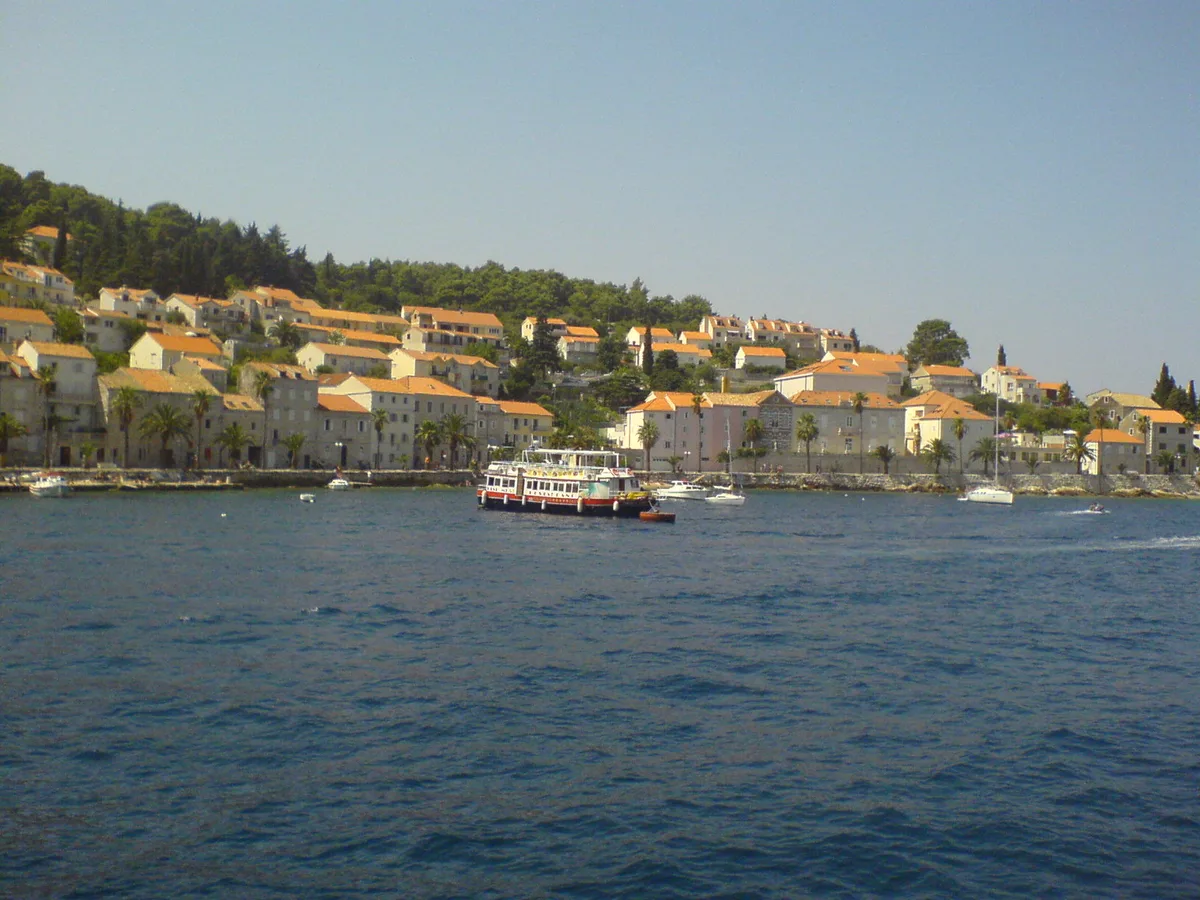
DHMZ is Croatia's official meteorological service and provides weather warnings and marine forecasts. Check the relevant area and validity period before a boat excursion or island crossing. A pleasant photograph from a harbor does not describe conditions outside the sheltered waterfront, and a forecast for the city does not establish what a small boat will encounter at sea. [5]
Ask a boat operator how it decides whether to sail, when it sends cancellation notices and what alternatives are offered. A substitute itinerary may visit different places even when the tour still operates. Decide in advance whether you would accept that replacement, and read the cancellation terms before paying for a day whose main attraction is a specific cave or swimming stop.
For swimming, choose an entry and exit you can manage and follow local signs and lifeguard instructions where present. Do not jump into unfamiliar water or assume another swimmer's route is appropriate for your ability. Keep someone informed of the plan and avoid making an unsupervised swim the fallback when a boat operator cancels for weather.
Plan heat and walking distance around the person doing it
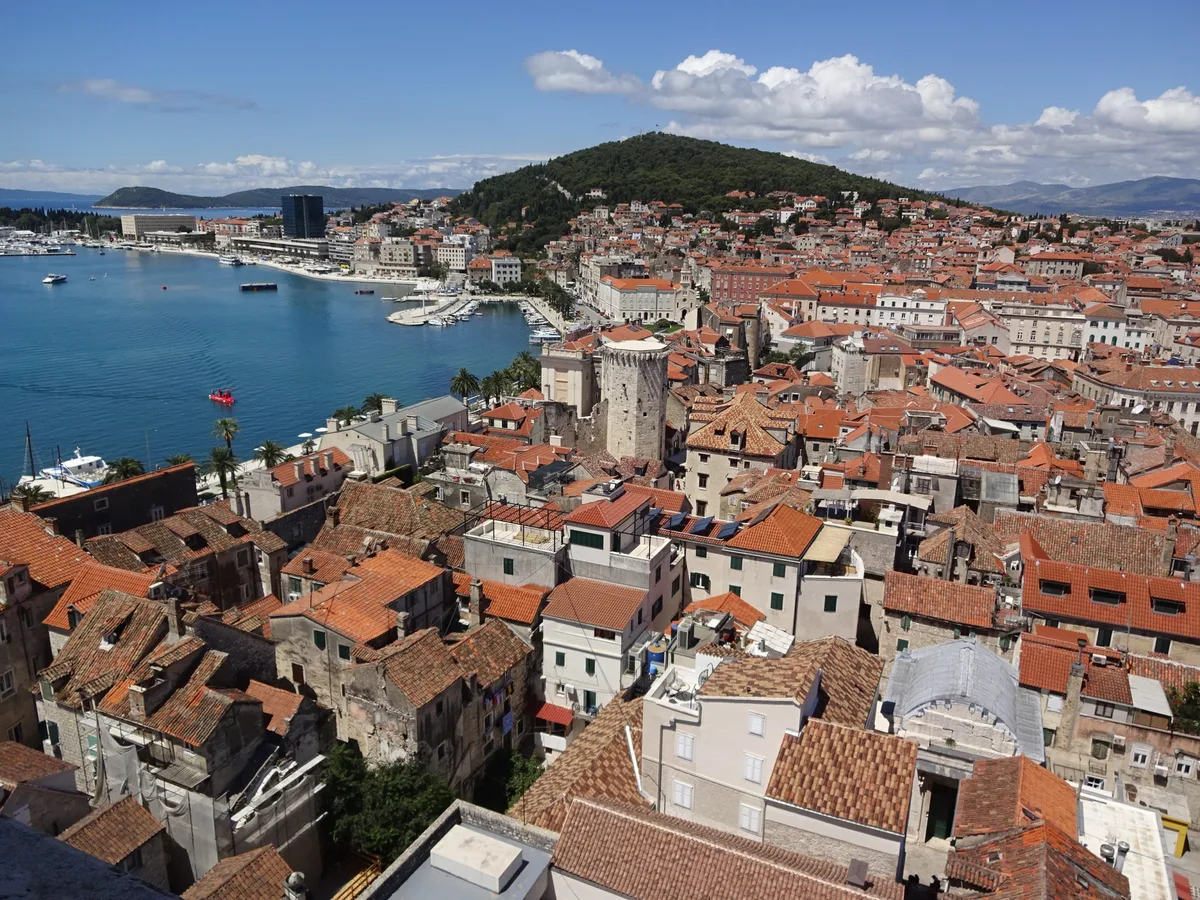
Old-town sightseeing can involve exposed stone streets, steps and a longer walk from a vehicle than the map suggests. Put demanding walks in a cooler part of the day when possible, build in shaded breaks and carry water. An air-conditioned vehicle at the end of the excursion does not remove the effort required to reach it.
For children, older companions or anyone who tires easily, plan a short version of the day before starting. Choose a meeting place where someone can wait comfortably while others continue. This is more practical than discovering halfway around a wall walk or hillside route that returning involves the same distance again.
If someone becomes unwell, stop the activity and seek appropriate help instead of treating the timetable as a reason to continue. We do not provide a temperature cutoff that guarantees safety: exposure, humidity, effort and individual health change the situation. For personal medical concerns, get advice before the trip and know how to contact help locally.
Treat a mountain outing as a separate trip
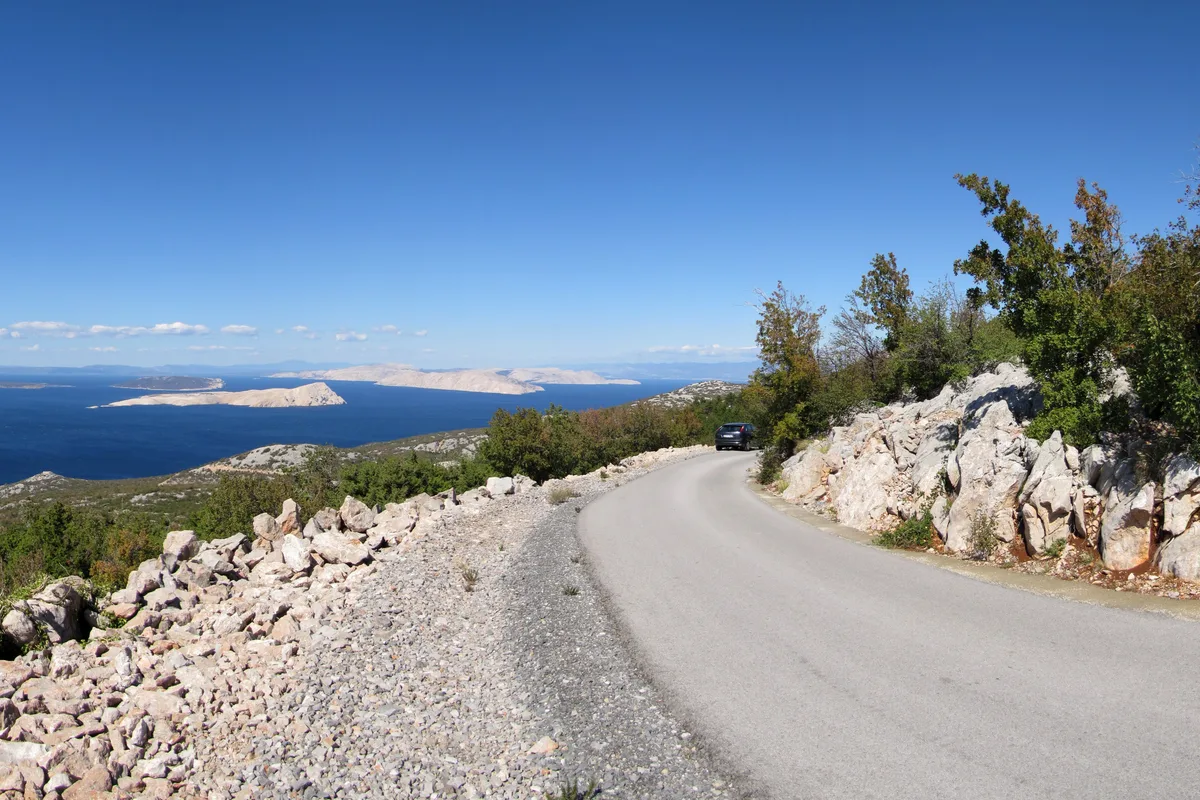
The Croatian Mountain Rescue Service publishes preparation and safety guidance and identifies 112 as the emergency contact. Take the route, weather, footwear, water and communication plan seriously even when the mountain is close to a resort. Proximity to hotels does not make a steep or exposed trail equivalent to a town promenade. [7]
Check the elevation change and surface, not only the distance. Set a turnaround time that leaves daylight and energy for the return. Download the route for offline use, tell someone where you are going and carry enough battery capacity to communicate. A phone map helps you navigate, but it should not be the only reason you attempt a route beyond your experience.
If the weather deteriorates or you lose the marked route, reassess early. Do not keep climbing simply because the destination looks close on the screen. When asking for help, give the location as precisely as possible, explain the number and condition of people involved and follow the rescuers' instructions. Stay reachable rather than using the remaining battery for unnecessary calls.
Check roads and ferry disruption before moving accommodation
HAK publishes road conditions, restrictions and ferry information. At our check its report contained dated roadwork changes, including overnight A1 restrictions for 17 October. That is a reminder to read the date and direction of a restriction, not a reason to assume the whole motorway is unavailable. Reopen the report before the actual journey. [6]
For an island-to-airport trip, work backward from the flight and include disembarkation, luggage, the road transfer and airline deadlines. Avoid making the final possible ferry your only viable connection. An overnight stay on the mainland may be the better choice when missing the flight would be costly or when conditions are unsettled.
If driving, plan rest stops and a realistic arrival before choosing the hotel check-in time. Keep the rental company's assistance number and ask how road restrictions, ferry carriage or a changed return location affect the contract. Do not rely on a navigation app to determine whether a road is currently open or suitable for your vehicle.
Manage belongings, accommodation access and payments
Canadian advice highlights petty theft in busy visitor locations. Keep bags closed and important documents separate from casual beach or restaurant belongings. Carry only what you need for an outing and retain a backup payment method elsewhere. A crowded bus, ferry queue or café table deserves the same attention as a famous sightseeing area. [4]
When booking accommodation, examine the final approach. A central old-town address may involve stairs, pedestrian-only streets and a walk from the transfer point. Ask for the exact meeting location and late-arrival arrangements. Travelers with limited mobility should confirm access directly instead of assuming that a short map distance means an easy route.
Before confirming a payment, check the amount, currency and service being purchased. For a tour or transfer, keep the written inclusions and seller contact. If there is a dispute, step away from pressure, preserve the receipt and contact the provider through its official channel. Avoid giving complete card details to an unsolicited message claiming to fix a booking.
Save the information you would need in an emergency
- Save 112 and the address or map pin of your accommodation.
- Keep your insurer's assistance number, policy details and identification accessible offline.
- Tell a trusted contact the planned route when hiking, sailing or changing islands.
- Keep transport cancellation notices and receipts if a later claim may be needed.
- Review the local forecast and route notices again after a significant weather change.
For urgent help, contact emergency services first. Insurance authorization and reimbursement questions can follow when immediate needs are addressed. When the problem is non-urgent, ask the accommodation or relevant provider for practical local help, but distinguish that advice from an official closure notice or a medical assessment.
Check whether your insurance covers the particular activity, such as a boat excursion, recreational diving or a mountain route. Ask about rescue, medical care and independently booked missed connections separately. Public-health entitlements and private travel insurance are also different; use the linked Croatia insurance and medical guides to prepare the documents relevant to your circumstances.
A good contingency is specific: another night in the current town, a different transport departure, or an indoor day with flexible tickets. Keep enough room in the itinerary to use it. The aim is to make a change early and calmly, rather than needing every part of the trip to operate exactly as planned.
BEFORE YOU GO
Common questions
Does normal-precautions advice mean every excursion is safe?
No. National advice does not assess your particular vessel, trail, weather or ability. Check the activity's local conditions and operator instructions separately.
Where should I check Croatian road and sea conditions?
Use HAK for current traffic and ferry information, DHMZ for weather and marine forecasts, and the ferry or excursion operator for the actual departure. Note each notice's time and geographic scope. [6] [5]
What emergency number should I save?
112 is the emergency number identified by the Croatian Mountain Rescue Service. Give your location, the incident and the number and condition of people involved, then follow instructions. [7]
THE INFORMATION BEHIND THE GUIDE
References
Official and operator information checked on 17 October 2026. Recheck conditions for your own dates. The itinerary and decision examples are editorial suggestions; they are not booked services or first-hand reviews.
- Croatia travel advice: UK ↗UK Foreign, Commonwealth & Development Office · checked 17 October 2026
- Croatia travel advice: US ↗U.S. Department of State · checked 17 October 2026
- Croatia travel advice: AU ↗Australian Department of Foreign Affairs and Trade · checked 17 October 2026
- Croatia travel advice: CA ↗Government of Canada · checked 17 October 2026
- Weather forecasts and warnings ↗Croatian Meteorological and Hydrological Service · checked 17 October 2026
- Traffic and ferry information ↗Croatian Automobile Club · checked 17 October 2026
- Mountain safety and education ↗Croatian Mountain Rescue Service · checked 17 October 2026