Croatia · Travel essentials
What to Wear in Croatia: Coast, Cities and National Parks
Pack layers for Croatia's coast and inland cities, choose shoes for stone streets and park routes, and check local visitor instructions before wearing beachwear into town.
Our founder previously worked for a travel company. About Destinode
On this page
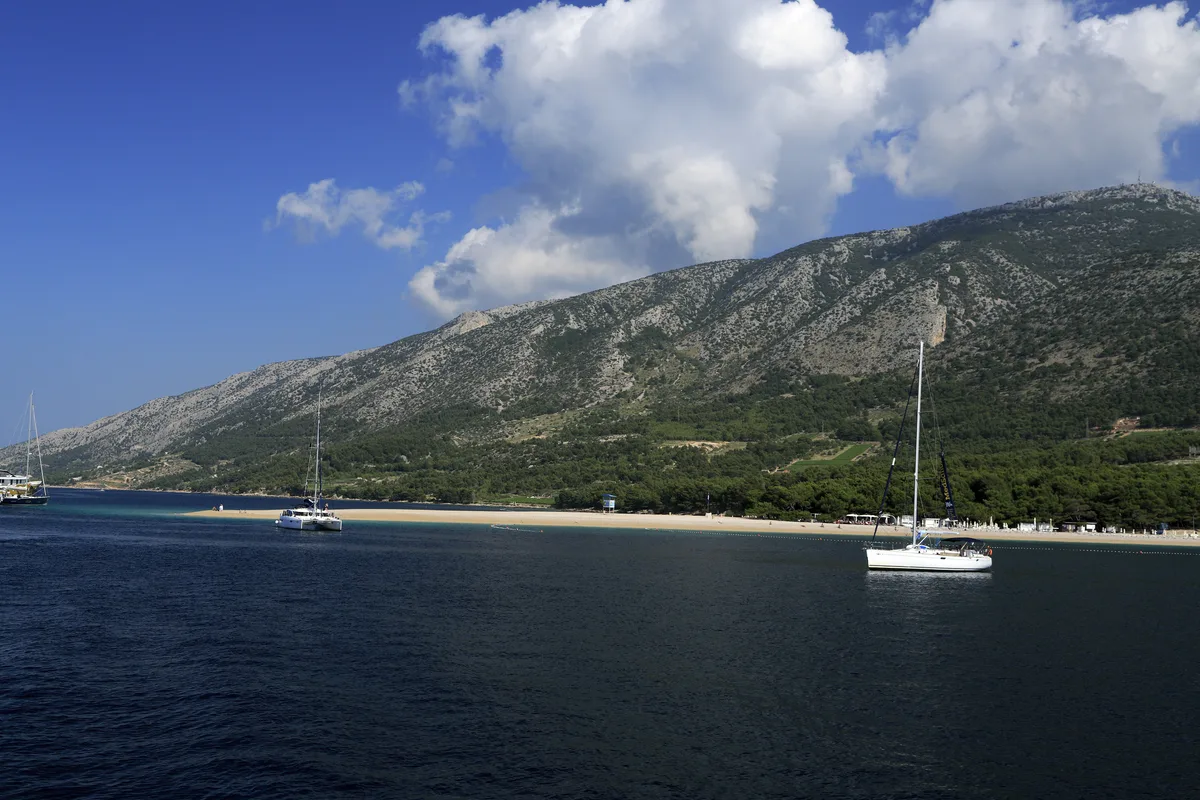
Croatia packing works best when you separate the places you will visit during a single day: a ferry terminal, stone streets, a beach, a restaurant and perhaps a religious site. One outfit can cover much of that day if you carry the useful layer and a change from swimwear. Shoes deserve as much attention as the number of tops.
DHMZ describes continental conditions inland, mountain influences in the central region and Mediterranean conditions on the Adriatic coast. These climate patterns explain why one national packing list needs adjustment; they are not a forecast for the date of your stay. Check the weather for each overnight base and outdoor activity. [1] [2]
Match the wardrobe to the route and season
| Route or season | Editorial starting choice | Final check |
|---|---|---|
| Summer coast | Breathable clothes, sun protection and an accessible layer | Heat, wind and time spent waiting outdoors |
| Spring or autumn coast | Everyday layers and rain protection | Conditions for the entire route, including the return |
| Inland city stay | Walking clothes with a season-appropriate outer layer | Local forecast rather than the coast's weather |
| Winter trip | Warmer complete outfit and suitable footwear | Cold, rain, snow or ice at the actual destination |
| National park outing | Clothing chosen for the selected route | Park access, terrain, weather and operating notices |
Write the trip's warmest and coldest likely activities beside the clothing list. Sitting on an exposed waterfront, walking steadily through a city and waiting for a departure place different demands on the same wardrobe. Use the time outdoors to choose the layer rather than relying only on a month name.
For a mixed Zagreb-and-coast trip, retain the basic tops and bottoms and change the outer layer where the forecasts call for it. You rarely need two complete wardrobes simply because there are two regions. Leave room to carry the jacket when the afternoon warms up instead of filling the day bag with duplicate outfits.
If the trip crosses several weeks, check the colder end as well as arrival day. Keep the useful layer accessible during travel. An extra coat buried under beach clothes does not help when you first step outside with luggage or arrive after the temperature has changed.
Choose shoes for stone streets and a full walking day
Try your main shoes on a realistic walk before departure, using the socks and day bag you intend to carry. Check rubbing, stairs and standing time. A comfortable short walk at home does not establish that the same shoes will suit a long sightseeing day with transfers and uneven surfaces.
For historic streets, prioritize footwear that feels secure on the route. Do not pack only thin beach sandals if city sightseeing is central to the trip. Wet surfaces require another assessment; no sole described as comfortable should be presented as a guarantee against slipping.

- Use a familiar walking pair as the core of the wardrobe.
- Add a beach pair only where it serves an actual part of the route.
- Keep dry socks or a practical backup when the main shoes may get wet.
- Ask the accommodation about steps and baggage access before choosing footwear for arrival.
A dressier meal does not always justify another bulky pair. Check the actual venue's expectations and see whether your normal shoes can work. Conversely, a specific event with a stated dress policy should be prepared for deliberately rather than hoping that beach footwear will be accepted.
For anyone needing easier access, footwear is only one part of planning. Confirm the hotel approach, stairs, surfaces and route length. Shoes cannot remove an inaccessible entrance or make a demanding walk shorter. Choose the path and accommodation access first, then pack for that choice.
Keep beachwear separate from town clothing
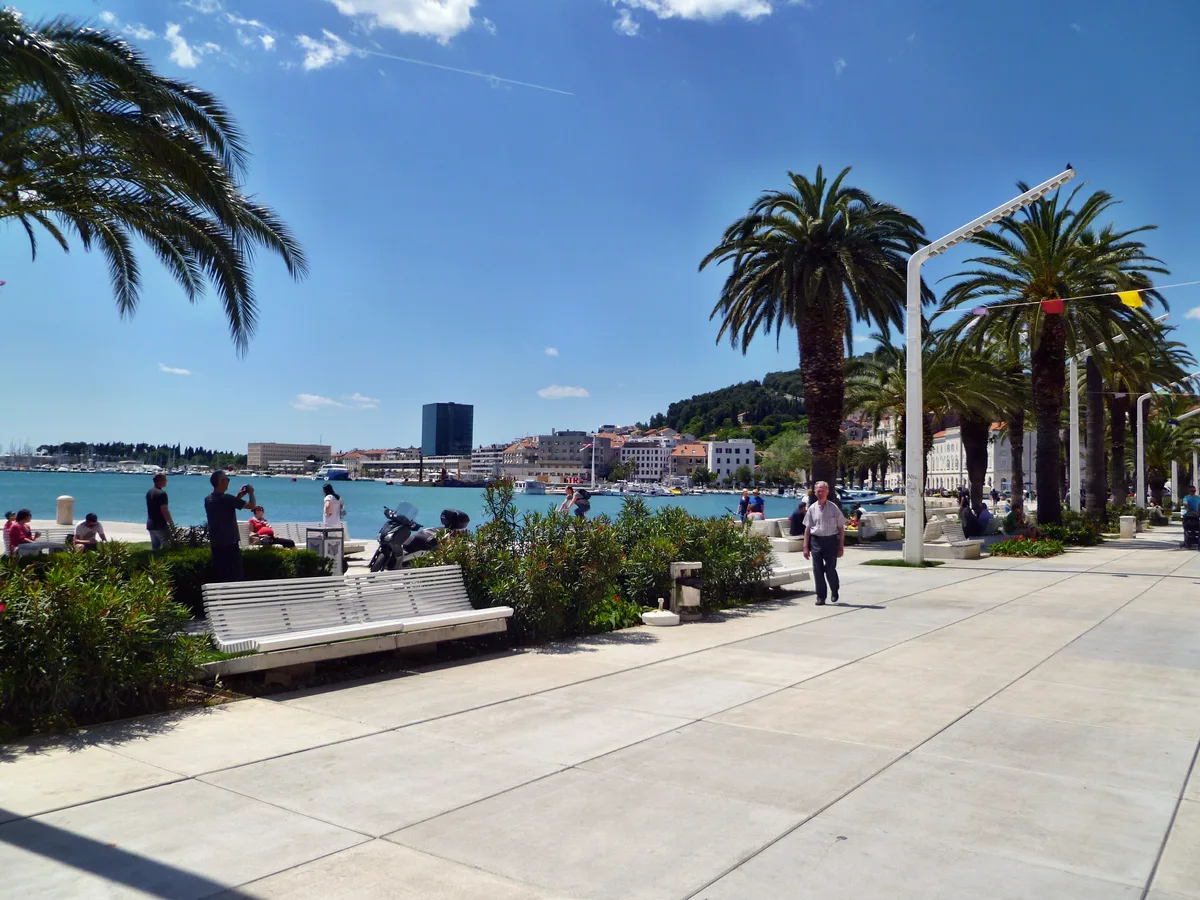
Split's official tourism board publishes a public-order notice whose municipal visitor poster instructs against beachwear or nudity in public spaces. Treat that as a local instruction to check and follow when moving from the beach into town. This guide does not turn the poster into a nationwide clothing law or publish a universal Croatian fine. [3]
Carry a top and ordinary shorts, trousers, skirt or dress that you can put on before leaving the beach area. Choose a combination that gives the coverage needed for the next venue. A damp towel wrapped around swimwear may be inconvenient for a restaurant or transfer even before any local rule is considered.
For other towns, read their posted visitor instructions and the policy at your destination. Rules for a beach, historic center, restaurant and private accommodation need not be identical. Do not copy an old penalty photograph from another municipality and assume it applies to the whole itinerary.
At churches or other religious sites, check the facility's entry signs and dress respectfully. A light extra layer can be useful when a mixed sightseeing day includes a religious visit. This is a practical recommendation; the guide has not verified a single national rule requiring the same garment at every church.

If you need to change after swimming, ask where changing facilities are actually available. Do not assume that every beach or boat excursion supplies a private cubicle, towel or shower. Keep the dry town outfit in a separate part of the bag so that it remains usable for the return.
National parks need a route-specific clothing decision
Plitvice's rules require visitors to keep to the marked routes and prohibit swimming in the lakes. A park outing is therefore different from a beach day even when the photograph shows appealing water. Select the permitted route and follow current instructions rather than packing for an improvised swim. [4]
Choose shoes and an outer layer using the planned walking distance, surfaces and forecast. Read the park's current route and operating information before leaving. The presence of an electric boat or panoramic train in the park does not make every section step-free or establish that the longest route suits your group.
Keep the route realistic for the least confident walker. Agree on a shorter option and a return point before starting. If rain or another condition changes what is appropriate, use the park's guidance and revise the walk. A rain jacket does not settle trail access or remove terrain difficulties.
Pack the things needed for a normal outdoor outing without assuming the park will provide them: your selected layers, usable weather protection and a manageable bag. Check what food, drink or equipment arrangements apply to the actual visit. Avoid carrying so much that stairs and transfers become harder than necessary.
Our Plitvice guide covers tickets and route choices in more detail. Use this clothing article to prepare for the route you have selected, not as a substitute for that selection. The correct outfit still cannot guarantee every transport section or path will operate on your day.
Prepare for wind, rain and changes of plan
Read DHMZ's local forecasts and warnings before the outing. Check the destination and the part of the day when you will be outside. Climate descriptions and average temperatures do not tell you whether a ferry-day walk or park route is appropriate during a current warning. [2]
Choose rain protection that works with luggage and the route. An umbrella may be convenient on a short urban transfer; a hooded layer keeps hands available when carrying bags. If conditions make the outdoor plan unsuitable, change the plan rather than treating waterproof clothing as a reason to proceed.
Carry a layer on ferry days instead of assuming it can stay in luggage you will not easily reach. Check whether the particular service gives you access to your bags and where you can sit. An open deck, a terminal wait and an indoor seat are different exposure settings; the ticket name alone does not describe them.
Allow a laundry and drying plan for longer trips. Ask the accommodation about facilities, access hours and whether they suit a short stay. Keep one dry outfit available before changing base. Several extra cotton tops do not solve a wet outer layer that cannot dry before checkout.
Place an indoor alternative close to the area where you will already be. Check its opening schedule and entry requirements separately. Changing to a museum across town can still mean a substantial outdoor transfer, so shorten the journey as well as replacing the attraction.
Build a compact packing list you can test
| Illustrative trip | One-adult starting list | Adjustment |
|---|---|---|
| Four-night summer city-and-coast stay | Three or four tops, two bottoms, layer, swimwear and walking shoes | Add the beach change and forecast-selected protection |
| Seven nights in Zagreb and Split in spring | Reusable daily clothes, middle layer, outer layer and dry backup | Check both cities and arrange laundry if needed |
| A stay including a park outing | The city wardrobe plus equipment suited to the actual walk | Confirm the route before adding activity items |
- Write down the route, outdoor activities and any venue dress instructions.
- Check each destination's forecast and current park or transport notices.
- Try on the warmest complete outfit with the shoes and bag.
- Keep a dry town outfit separate from beach items.
- Remove duplicate clothes that serve no additional activity or weather need.
Test the packed bag before leaving. Lift it as you would at a station, walk with it and verify that the rain protection and layer remain easy to reach. A compact wardrobe should make the journey easier, not depend on unpacking the whole suitcase at every transition.
BEFORE YOU GO
Common questions
Can I wear swimwear through Split's historic streets?
Split's official municipal visitor poster instructs against beachwear in public spaces. Carry ordinary town clothing and follow current local signs. Do not infer a nationwide rule or penalty from that local notice. [3]
Are beach sandals enough for Plitvice?
Choose footwear for the actual permitted walking route, terrain and weather. A lake photograph does not make the park a beach; its rules prohibit swimming and require marked routes. [4]
Does a summer coast trip need a jacket?
Decide from the forecast, wind, time outdoors and your comfort needs. A removable layer is a useful starting item, especially when a day includes terminal waits, evening walks or a change of region.
THE INFORMATION BEHIND THE GUIDE
References
Official and operator information checked on 11 October 2026. Recheck conditions for your own dates. The itinerary and decision examples are editorial suggestions; they are not booked services or first-hand reviews.
- Croatia's climate regions ↗Croatian Meteorological and Hydrological Service · checked 11 October 2026
- Current forecasts and warnings ↗Croatian Meteorological and Hydrological Service · checked 11 October 2026
- Split public-order visitor notice and original municipal poster PDF ↗Tourist Board of Split / City of Split · checked 11 October 2026
- Plitvice visitor rules and permitted paths ↗Plitvice Lakes National Park · checked 11 October 2026