South Korea · Travel essentials
South Korea Travel Costs: Hotels, Transport, Food and Extra Charges
Build a Korea budget in won with clear room-versus-person costs, worked seven-night examples, transport checks and ways to reduce spending without losing days.
Our founder previously worked for a travel company. About Destinode
On this page
A daily Korea budget becomes misleading when it mixes a double room with a solo travel allowance, omits the KTX journey or counts eight sightseeing days as seven nights. Start with a route and the number of travelers. Then separate costs shared by the group from costs paid by each person.
This guide uses won so that exchange-rate changes do not disguise the underlying cost. Hotel and meal amounts in the examples are assumptions you can replace with actual quotes. Published transport and attraction conditions are referenced separately; no hotel availability or lowest fare has been verified for your dates.
Define the trip before choosing a daily allowance
The examples use two adults sharing one room, seven hotel nights and eight days in Korea. International flights, insurance, shopping and optional visa-related expenses are outside the totals. A traveler arriving very late still pays for the room that night; someone leaving on an overnight flight may need luggage storage or another practical place to spend the final hours.
Write down the exact arrival and departure airports. A cheap flight into one city and out of another can remove a return train journey, but it may also create an extra transfer or baggage charge. Compare the whole trip rather than treating the airfare and domestic route as unrelated purchases.
| Budget line | Count it as | Common error |
|---|---|---|
| Hotel | Room price × nights, divided by room occupants | Treating a room rate as the cost for each adult |
| Meals and city transport | Allowance × people × days | Counting hotel nights instead of travel days |
| Intercity journeys | Tickets for the actual route and class | Buying a pass before comparing individual fares |
| Tours and attractions | The selected product's charging unit | Confusing a capsule or vehicle price with a per-person price |
Three seven-night examples you can edit
| Per adult sharing a room | Lean city trip | More flexible trip | Higher-spend trip |
|---|---|---|---|
| Room assumption per night, for two | KRW 90,000 | KRW 160,000 | KRW 260,000 |
| Seven-night room share | 315,000 | 560,000 | 910,000 |
| Food for eight days | 240,000 | 360,000 | 560,000 |
| City transport and airport allowance | 80,000 | 120,000 | 200,000 |
| Intercity rail allowance | 130,000 | 130,000 | 170,000 |
| Attractions and connectivity allowance | 80,000 | 160,000 | 300,000 |
| Calculated total per adult | 845,000 | 1,330,000 | 2,140,000 |
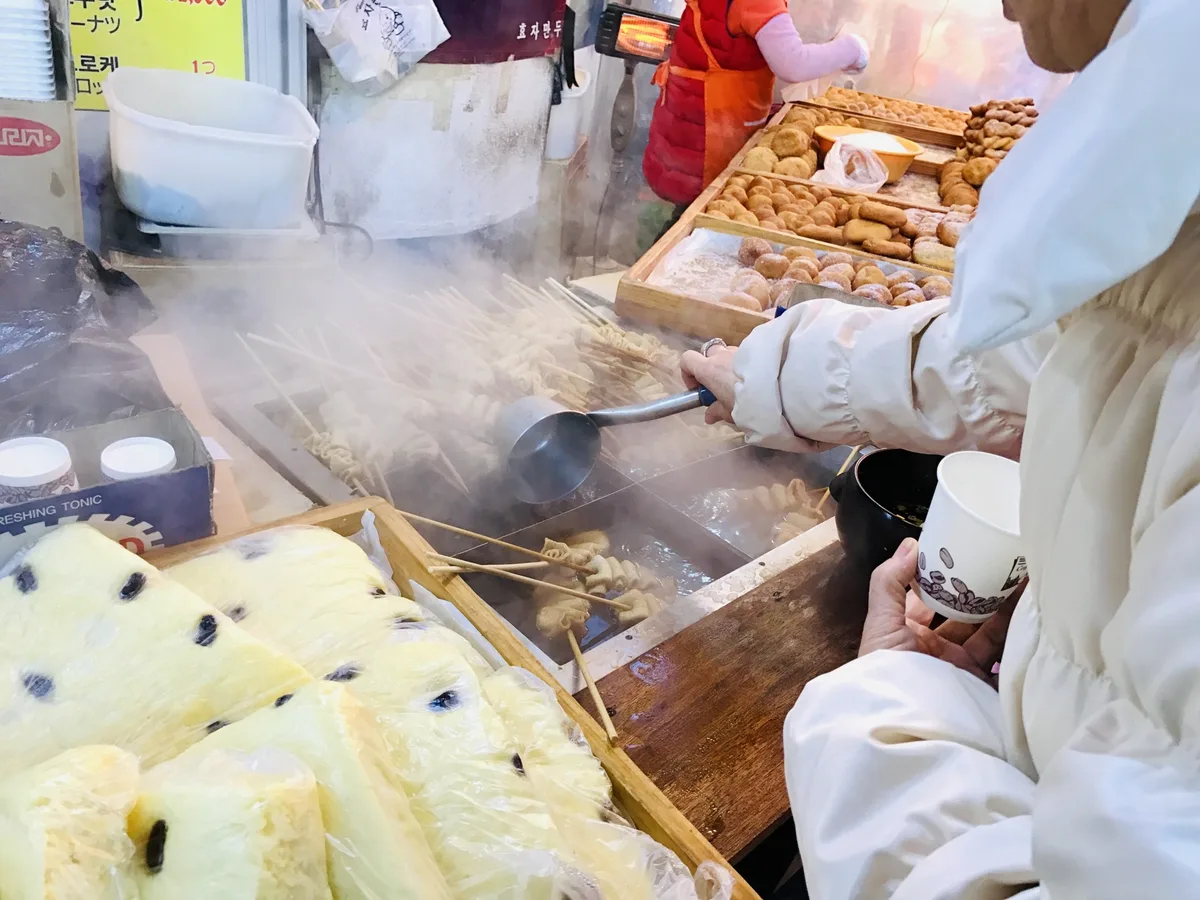
The middle example implies KRW 45,000 per person per day for food. That is a personal spending envelope, not a claim that every restaurant meal has a particular price. Replace it with a realistic combination of breakfast, lunch, dinner and drinks for your preferences. If a chosen hotel includes breakfast, reduce the food line only by what you would otherwise spend.
For two adults, double the per-person total: the middle scenario is KRW 2,660,000 for the pair. A 10% contingency adds KRW 266,000, producing a calculated planning amount of KRW 2,926,000. Ten percent is an example reserve, not protection against every possible change or emergency.
Hotel location can change the transport budget
Collect comparable room quotes for the same dates, number of guests, bed arrangement and cancellation terms. A room with no window, a shared bathroom or a nonrefundable rate should not be compared as if it were the same product as a flexible private room. Check the final total, not only the first nightly amount shown in search results.
In Seoul, compare the journey from your proposed hotel to the districts you will use repeatedly. In Busan, a beach stay and a station stay can create very different travel days. Paying less for a distant room may be sensible for a relaxed stay, but less attractive when the saving is consumed by late taxis and repeated cross-city journeys.
Check whether extra-person charges, breakfast, laundry, luggage storage or a deposit affect the final amount. These are property-specific questions, not a claim that every Korean hotel adds them. Record refundable deposits separately from spending, while remembering that they can temporarily reduce available funds.
Price the railway route before buying a pass
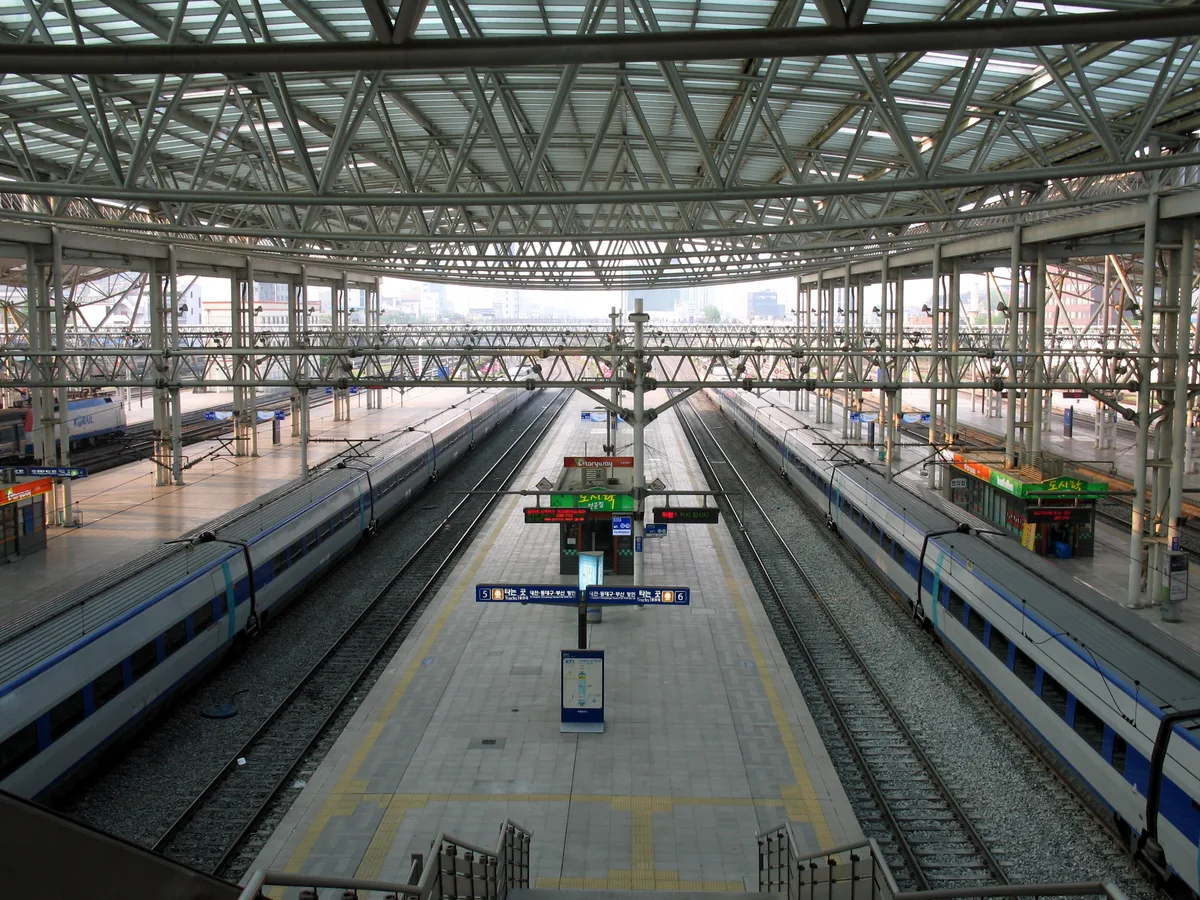
Use KORAIL's official booking service for the trains and class you actually intend to use. List the separate journeys, not just the cities. Seoul–Busan–Seoul is two long-distance legs; a route ending in Busan may need only one. Adding Gyeongju can alter both the ticket total and the number of rail travel days. [1]
KORAIL's published adult pass prices are KRW 131,000 for two selected days, KRW 186,000 for three, KRW 234,000 for four and KRW 275,000 for five. That establishes a comparison point, not an automatic saving. City transit and excluded services must still be budgeted separately. [2] [3]
For example, if your own live individual-ticket total is KRW 120,000, a KRW 131,000 pass costs KRW 11,000 more. If the eligible journeys total KRW 170,000, the same pass offers a nominal KRW 39,000 difference, provided the trips fit its travel-day rules. These ticket totals are hypothetical inputs; replace them before deciding.
Check the charging unit for activities
Some experiences are charged per traveler, others per vehicle or group. Blueline Park publishes its Sky Capsule price per capsule and Beach Train fares per person. A two-person capsule currently costs KRW 50,000, so two adults sharing it pay the equivalent of KRW 25,000 each before any other transport. It is a one-way experience, so plan the return separately. [4]
For a tour, compare the included admission, guide language, pickup location and meals. A cheaper headline can exclude the attraction that motivated the booking. Conversely, paying for several bundled activities is poor value if you only want one and would prefer to spend the rest of the afternoon independently.
Choose a small number of paid highlights before allocating the rest to shopping. Put shopping in its own optional envelope: skincare, clothes and gifts can make a trip expensive without changing the cost of getting around or sleeping comfortably.
Reduce cost by changing the route intelligently
- Remove an unnecessary hotel change before cutting every meal allowance. Repacking, storage and a second transfer can cost both money and usable time.
- Compare an open-jaw flight with returning to the arrival city. Include the avoided rail journey and any additional airfare or baggage expense.
- Keep a low-cost day between expensive experiences: choose neighborhood walking and one museum or park that fits the route.
- Share a paid vehicle only when the luggage, passengers and schedule genuinely fit. A per-car price is not a saving if a second vehicle is required.
- Use refundable bookings selectively for uncertain dates rather than paying flexibility premiums for every item automatically.
The most effective saving is often declining a distant attraction that forces several extra journeys. A well-paced Seoul and Busan trip can be more satisfying than adding Jeju for one rushed night. If the island is the main reason for traveling, give it enough nights and remove something else instead.
Finalize and track the budget in won
- Replace hotel assumptions with final room totals, including the exact cancellation terms.
- Insert current transport and activity quotes for the right dates, ages and charging units.
- Separate already-paid items from the amount still needed on the trip.
- Add your own contingency and convert the total using the rate and fees applicable to your payment method.
- Review spending after two days and adjust optional purchases before cutting essential transport or meals.
Keep receipts for larger bookings and note whether a refund returns to the original card. A canceled purchase can remain unavailable as spending money while the refund is processed. Budgeting is easier when cash flow and final trip cost are tracked separately.
BEFORE YOU GO
Common questions
Is KRW 845,000 enough for a week in Korea?
It is the calculated lean example for one adult sharing a room over seven nights and eight days, with stated assumptions. It excludes international flights and several personal costs. Replace the assumptions with bookable prices before treating it as your budget.
How much more should a solo traveler allow?
If using the same private room, the solo traveler pays the whole room cost. In the middle example that adds KRW 560,000 to the per-person total. A different room or hostel choice changes that calculation.
Should I quote my budget in dollars?
Keep the working budget in won and convert it when comparing it with your available funds. That makes it easier to distinguish local price changes from exchange-rate and payment-fee changes.
THE INFORMATION BEHIND THE GUIDE
References
Official and operator information checked on 9 October 2026. Recheck conditions for your own dates. The itinerary and decision examples are editorial suggestions; they are not booked services or first-hand reviews.
- International train booking and passenger notices ↗KORAIL · checked 9 October 2026
- KORAIL Pass Plus launch and published adult prices (29 December 2025) ↗KORAIL · checked 9 October 2026
- KORAIL Pass products, eligibility and seat reservations ↗KORAIL · checked 9 October 2026
- Beach Train and Sky Capsule fares and refunds ↗Haeundae Blueline Park · checked 9 October 2026