South Korea · Where to stay
Where to Stay in Seoul: Pick the Right Area for Your Trip
Myeongdong, Hongdae, Jongno or Gangnam? Compare sightseeing, airport access and evenings, then check the hotel details that can change your choice.
Our founder previously worked for a travel company. About Destinode
On this page
The wrong Seoul base can add a transfer to every day of your trip. Start with the places you want to see and the evenings you want to have, then compare Myeongdong, Hongdae, Jongno and Gangnam. The best-looking room is only a good deal if its location works for you.
This is an area guide, not a ranking of hotels we have stayed in. Use it to shortlist districts, then verify the exact room, entrance and booking conditions on the property’s own website.
Match a district to your actual days
| Area | A useful starting point for | Check before booking |
|---|---|---|
| Myeongdong | Central sightseeing and varied city connections | Station exit, busy streets and final hotel walk |
| Jongno / Insadong | Palaces and historic neighborhoods | Exact station, room access and evening transport |
| Hongdae | Airport rail and lively food or music evenings | Noise, station exit and the part of the district |
| Gangnam | Plans concentrated south of the river | Travel to historic sights and the arrival route |
Put your first three days on a map. If the same part of Seoul appears repeatedly, that is stronger evidence for a base than a hotel’s claim to be central. Keep an arrival route and a departure route beside the sightseeing list.
Myeongdong and Seoul Station
Myeongdong’s transport options include Myeongdong station on Line 4 and Euljiro 1-ga on Line 2, according to the official city guide. Those are different access points, so check which is useful for the actual property. [1]
Seoul Station is a separate base worth comparing for an early train or an AREX arrival. Do not assume every hotel advertised around central Seoul is a comfortable suitcase walk from it. Prioritize a clear entrance route and avoid paying more merely to be near an attraction you will visit once.
Hongdae for connections and evenings
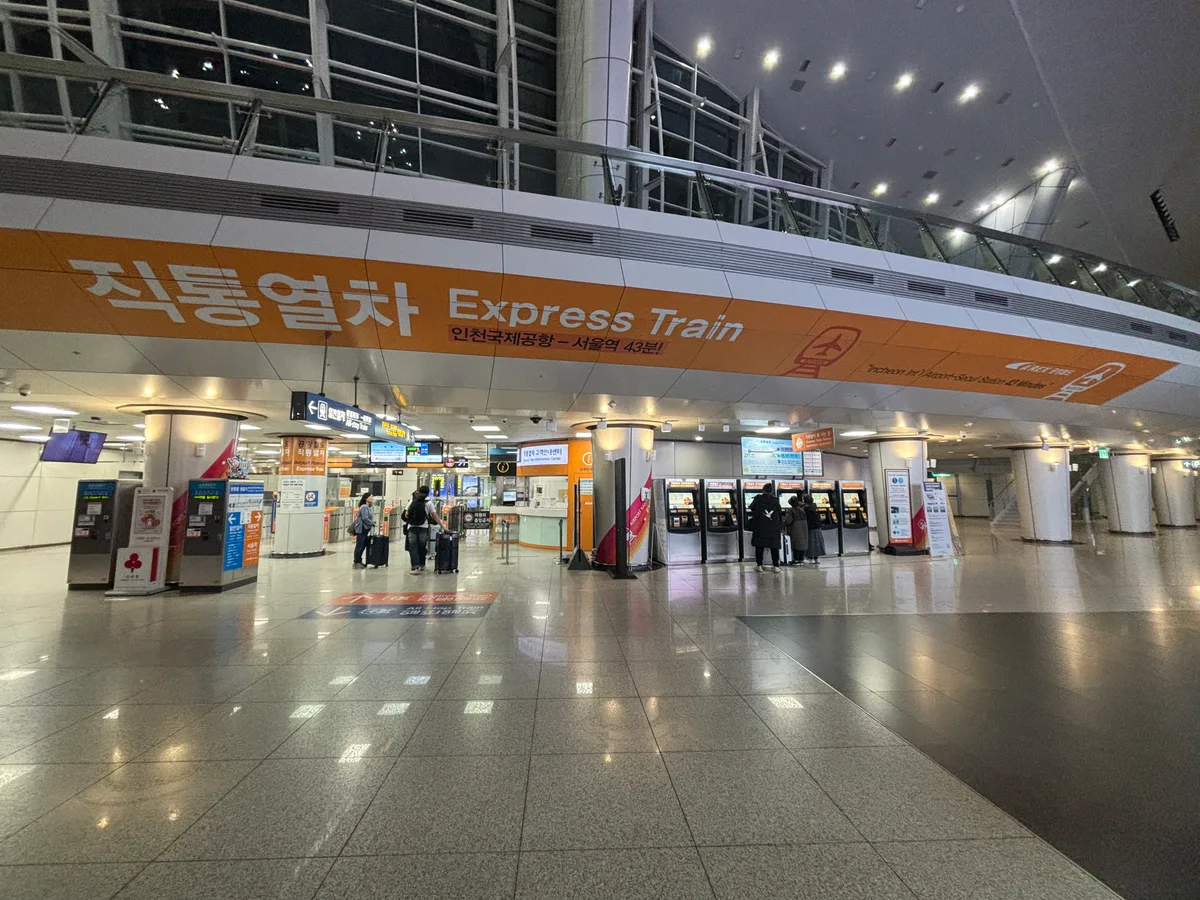
Hongdae is associated with music, creative culture and nightlife in Seoul Tourism’s guide. Hongik University station also sits on the AREX all-stop route. These are useful reasons to consider it, especially if you value an uncomplicated airport connection. [2] [4]
The district covers more than the busiest entertainment streets. Ask whether the room faces a major road, bar street or quieter courtyard, and check the walking route from the correct exit. A lively district does not make every room noisy, just as a property’s soundproofing description is not a guarantee of silence.
Jongno and Insadong for historic Seoul
Compare these areas when palace visits, traditional streets and cultural stops form the core of your trip. The official Insadong guide connects neighborhood planning with access to central sightseeing. [3]
Choose the specific station rather than the broad label Jongno. A smaller guesthouse may offer an appealing setting but different reception, lift and luggage arrangements from a hotel. Ask about late access and whether the room has a private bathroom before treating two nightly prices as comparable.
Gangnam and room conditions that change the choice
A south-of-the-river base can make sense for plans concentrated there. For a trip mostly focused on central historic sights, compare the repeated journey against staying farther north. This is a route decision, not a judgment that one side of Seoul is better.
- Confirm the number and type of beds for your full party.
- Check lifts, stairs and whether luggage can reach the entrance.
- Read child occupancy, extra-bed and breakfast charges separately.
- Verify whether a view or connecting room is guaranteed or only requested.
- Compare the total with taxes and the same cancellation conditions.
A neighborhood-first booking sequence
- Select two areas that suit your daily route.
- Check airport and intercity-station access for each.
- Shortlist rooms that meet occupancy and mobility needs.
- Map the entrance and useful station exit.
- Confirm late arrival, payment and cancellation in writing.
For a short stay, one well-chosen base usually avoids the time spent checking out, storing bags and checking in again. Split a Seoul stay only when a clear change of purpose or an early onward connection justifies it. Keep the saved hotel address available in Korean as well as English.
Choose the micro-location inside the neighborhood
In Myeongdong, compare a room near the Line 4 station with one nearer Euljiro 1-ga. Both may use Myeongdong in the listing, but their useful routes differ. A short trip focused on palaces and central shopping may gain more from a convenient entrance than from a larger room farther up a hill. [1]
In Jongno, identify whether the listing is near Anguk, Jongno 3-ga or another station, then map the palace and evening route you actually want. The broad area label is not a transport plan. For a smaller traditional-style property, establish whether the route to the room involves stairs and whether reception is staffed when you arrive.
In Hongdae, distinguish being near the airport-rail station from being in the busiest nightlife lanes. Decide whether late evenings are a benefit for you or something you want to avoid. Ask the property about the exact room position, because a district's reputation cannot predict the sound level inside a particular room. [2]
In Gangnam, locate the specific subdistrict and transport connection. A room near one south-Seoul destination is not automatically convenient for every other destination south of the river. Put the hotel, your main appointments and the airport stop on the same map before comparing the nightly price.
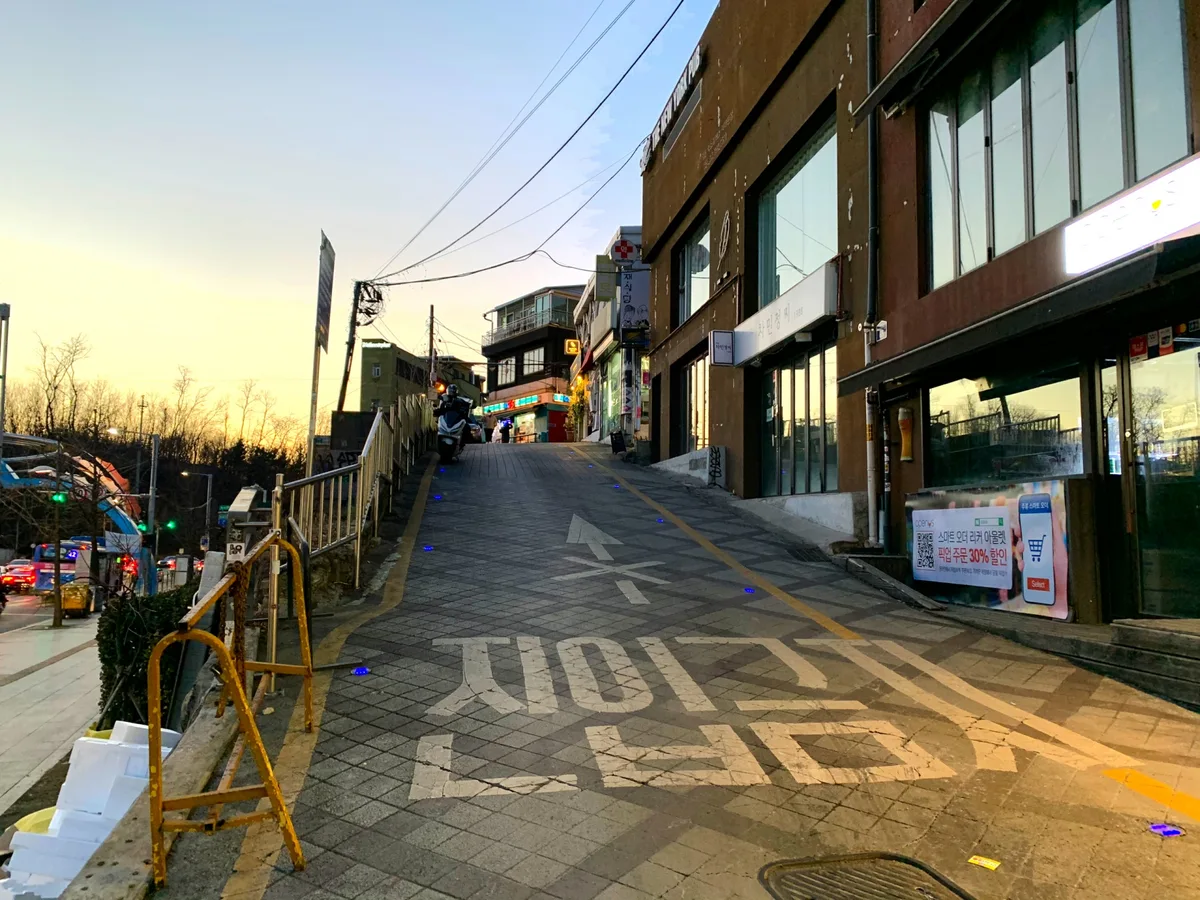
A room shortlist and a message worth sending
| Traveler | Prioritize | Ask before paying |
|---|---|---|
| First visit with two small bags | Useful station and one consistent base | Which exit and entrance should we use after arrival? |
| Family | Confirmed occupancy and workable sleeping arrangement | Does the total include all children and the bed configuration shown? |
| Light sleeper | Specific room orientation and cancellation flexibility | Does this room face a nightlife street, road or internal courtyard? |
| Reduced mobility | Verified step-free route from street to room | Are there any steps at the entrance, lift or bathroom? |
| Late flight arrival | Confirmed reception or access procedure | What happens if we arrive after the stated check-in hours? |
A useful message is specific: We are two adults with two large suitcases, arriving at Incheon at 20:30. We expect a late check-in and are comparing rail with an airport bus. Please confirm the nearest practical stop or station exit, any steps before the lift, and the procedure if our flight is delayed. Replace those example details with your actual journey.
Compare the same room category, occupancy and payment conditions on every channel. A cheaper non-refundable rate is a different product from a flexible rate. Record the local cancellation deadline and whether breakfast, taxes and extra beds are included before deciding which total is better.
For a four-night first visit, changing hotels after two nights rarely improves the route enough to be automatic. Calculate the packing, checkout, luggage storage and second check-in first. A split stay makes more sense when it follows a real change in purpose, such as several days of meetings in another area.
BEFORE YOU GO
Common questions
Which area is best for a first visit?
Start by comparing Myeongdong and Jongno for a historic-sightseeing trip, or Hongdae when airport rail and evening activity matter more. Your exact daily route should decide.
Should I change hotels during a short Seoul stay?
Compare the benefit with the packing, storage and check-in time. A single useful base is often simpler unless your plans or departure connection change substantially.
Can I choose a hotel by distance to a station alone?
Also check the exit, lifts, street crossing and entrance. Straight-line distance does not tell you whether the final walk is practical with your luggage.
THE INFORMATION BEHIND THE GUIDE
References
Official and operator information checked on 9 October 2026. Recheck conditions for your own dates. The itinerary and decision examples are editorial suggestions; they are not booked services or first-hand reviews.
- Myeongdong visitor guide ↗Seoul Tourism Organization · checked 9 October 2026
- Hongdae: culture and performance ↗Seoul Tourism Organization · checked 9 October 2026
- Insadong sightseeing and neighborhood planning ↗Seoul Tourism Organization · checked 9 October 2026
- Getting to Seoul: airport rail and ground transport ↗Seoul Tourism Organization · checked 9 October 2026