Saudi Arabia · Getting around
Getting Around Saudi Arabia: Flights, Trains, Cars and City Connections
Compare Saudi intercity flights, separate rail corridors and road journeys using door-to-door time, baggage, station choice and route practicality.
Our founder previously worked for a travel company. About Destinode
On this page
Saudi Arabia's scale makes route design important. A map can make several destinations look like a natural sequence while concealing long journeys and awkward arrival times. Start with the experiences you want, then test how each move works on your actual travel dates.
The rail network is particularly easy to misunderstand. A fast train in one region does not imply a through service across the country. This guide separates the main choices and provides a method for comparing journeys without inventing timetable or fare certainty.
Understand the passenger rail corridors first
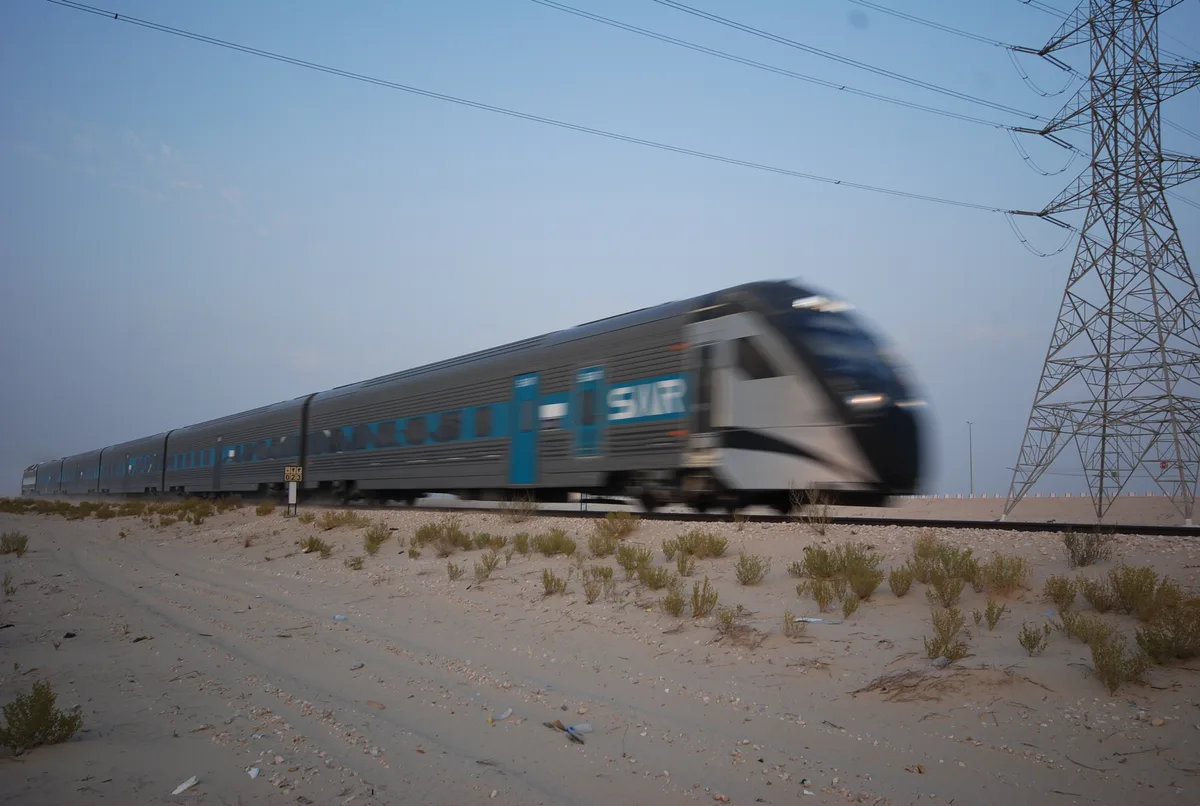
SAR describes North passenger services from Riyadh toward Qurayyat via cities including Qassim, Hail and Jauf, and East services between Riyadh and Dammam via Hufuf and Abqaiq. Haramain connects the western corridor between Makkah and Madinah, with Jeddah, Jeddah airport and King Abdullah Economic City stations. These are distinct journey systems. [1]
| Journey idea | What to compare | Important distinction |
|---|---|---|
| Riyadh–Dammam / Al-Ahsa area | East Train, flight or road as appropriate | Use the correct station and local onward journey |
| Riyadh–Qassim / Hail / north | North Train against available alternatives | Check the actual train and date, not a schematic line |
| Jeddah / airport–western rail destination | Haramain and station transfers | Airport and city stations are different |
| Riyadh–Jeddah | Flight or a deliberately planned road journey | No through passenger train shown in the current network |
| A visit to AlUla | Suitable flight or road itinerary | Do not infer a train from a nearby city's station |
A station name is not a city-centre guarantee. SAR provides separate station information for its North and East services. Check the map for the exact station on your ticket and arrange the final journey to the hotel. This matters especially when more than one railway facility uses the same city name. [2]
Compare flights using the entire travel block
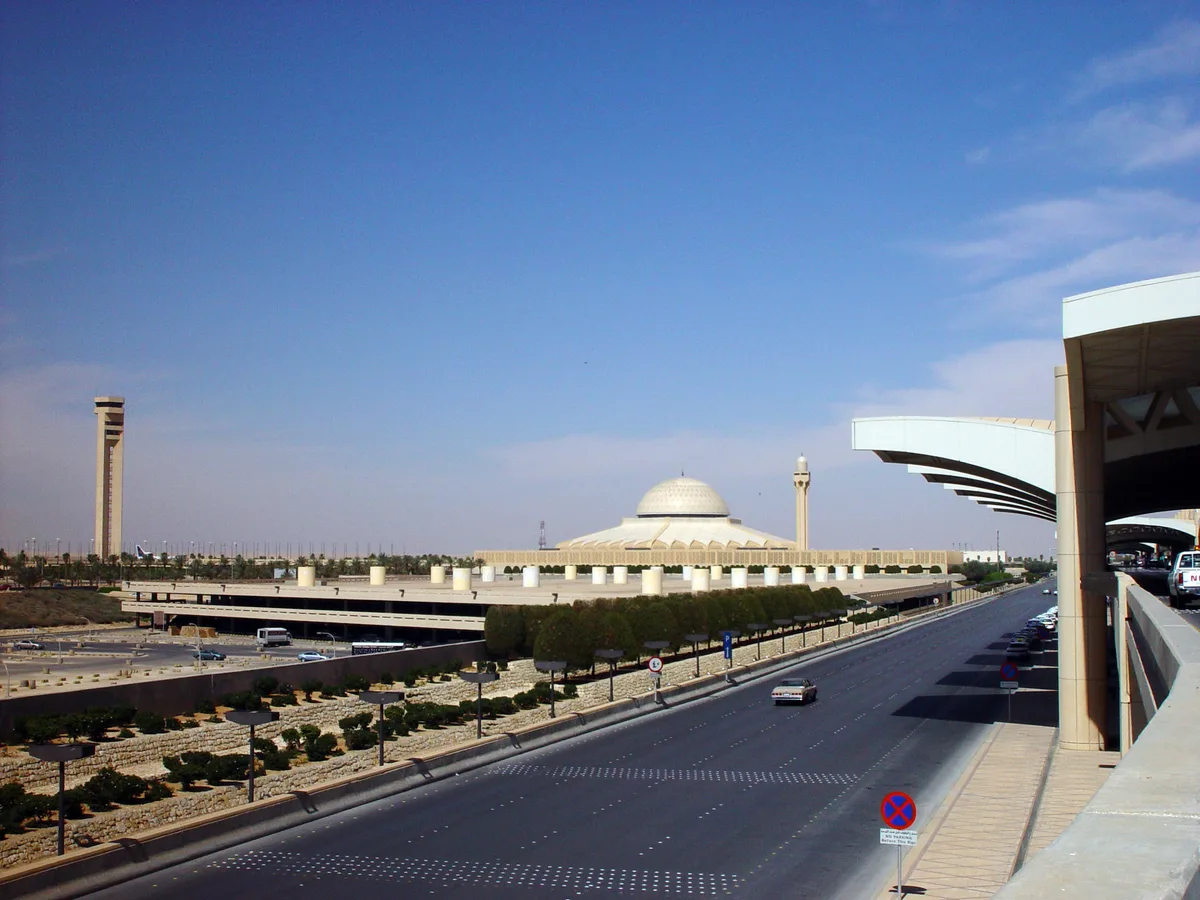
For a domestic flight, record the hotel departure, airport arrival requirement, scheduled flight, baggage collection and destination transfer. A short airborne time can still use a substantial part of the day. Conversely, a flight may preserve far more time than a long road journey even after those additional steps.
Search the actual travel date and check whether the service is nonstop or requires a connection. Do not build an itinerary around a route that appears on an airline destination map but is unavailable on your day. If the only suitable service arrives late, confirm hotel access and transport before paying.
Compare fares with the baggage and flexibility you need. A low basic price may exclude a checked suitcase or carry restrictive change terms. Avoid adding every optional extra automatically, but do not remove an essential bag merely to make a flight appear cheaper in the comparison.
Where two flights are separately ticketed, assess the risk of the first delay yourself. A convenient-looking connection is not necessarily protected. Consider a longer buffer or an overnight when missing the next flight would unravel an expensive, non-refundable part of the trip.
Train tickets: station, passenger details and baggage
Begin from the operator's official booking channel and select the exact station pair, date and passenger category. Match the passenger details to the identification you will carry. Save the ticket and the current boarding instructions where they remain accessible without mobile data.
Baggage is fare- and service-specific. SAR's East Train guide distinguishes Economy Saver from Economy and other categories; the allowance is not one universal number for every ticket. Haramain has its own conditions. Read the rules attached to your actual service instead of transferring a luggage limit from a different route. [3]
Measure awkward luggage before booking and consider how you will handle it at both stations. A suitcase permitted by an airline may still be inconvenient on a rail journey with different dimensions or storage rules. If checking a bag, use the applicable baggage deadline rather than only the passenger boarding cutoff.
Check changes, refunds and no-show terms before buying the cheapest fare. A fixed train after an uncertain flight arrival is a different purchase from a train on a relaxed city day. The useful fare is the one whose restrictions fit the surrounding itinerary.
Road travel: choose a deliberate route, not a fallback assumption
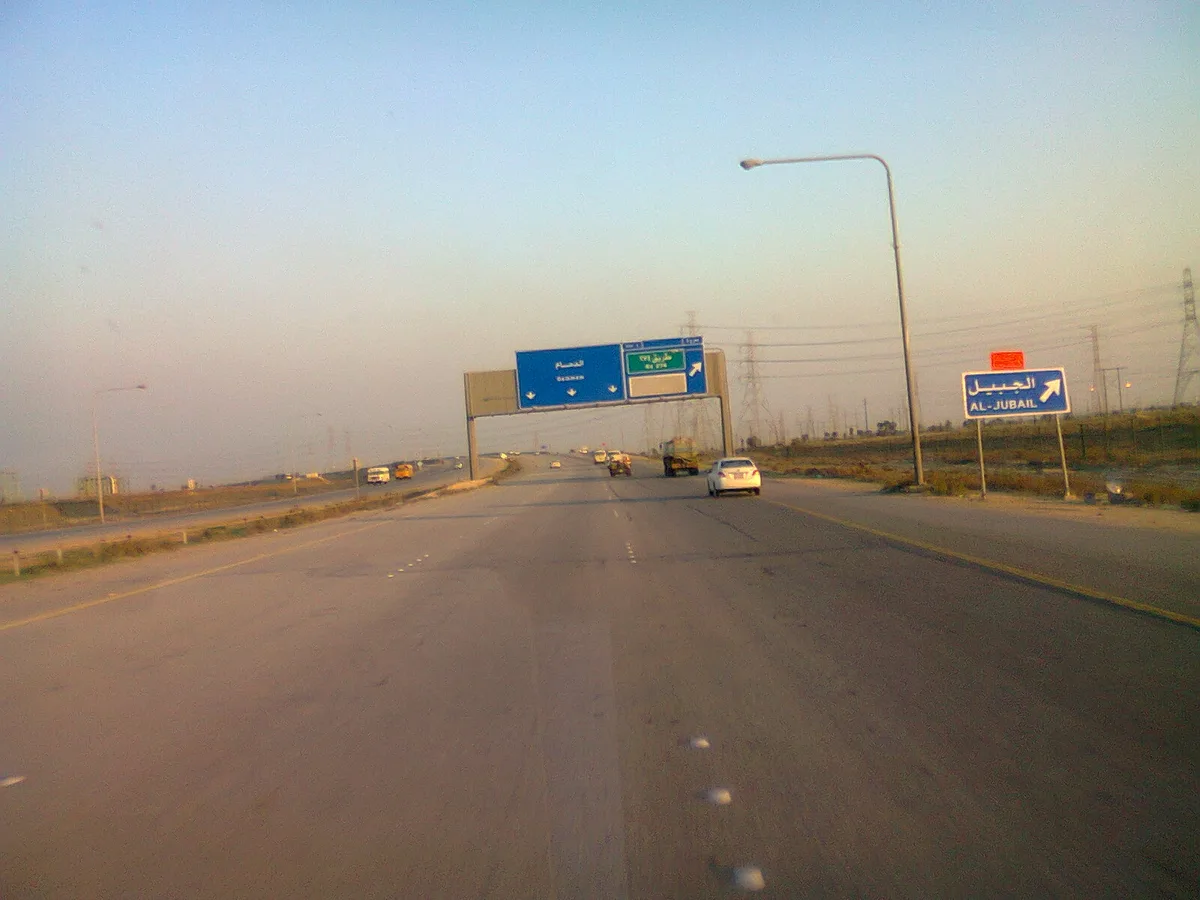
A private driver or rental car can be useful when the route includes stops away from airports and stations. It also creates responsibilities around journey length, rest, parking and arrival arrangements. Do not treat a very long drive as an effortless alternative simply because a direct flight is inconvenient.
For a hired driver, request the route, vehicle, passenger and baggage capacity, planned stops, total duration estimate and payment terms. Clarify whether the quote includes waiting and all compulsory expenses. A transfer between two cities and a sightseeing day with several stops are different services.
For a rental, check the supplier's licence requirements, permitted roads, insurance terms, mileage, additional drivers and one-way return charges. A vehicle suitable for paved intercity roads is not automatic permission for rough desert access. Keep a remote excursion separate unless the agreement and your experience genuinely support it.
If considering an intercity coach, use the current operator's booking information for the exact departure and arrival points. Include the station transfers and overnight comfort in the comparison. Do not assume an old timetable or a city-centre location from another operator still applies.
Test the route with one door-to-door worksheet
| Field | Record this for every option |
|---|---|
| Time | Hotel departure through arrival at the next hotel |
| Money | Fare plus necessary bags and transfers |
| Uncertainty | Connections, variable road time and cancellation exposure |
| Effort | Luggage handling, walking and overnight disruption |
| Arrival usefulness | Whether you can check in, eat and reach the next booking |
For example, compare an early flight requiring a very early hotel departure with a later train on a route the train actually serves. One may be faster in theory while the other leaves you more rested and avoids paid early check-in. Use your party's priorities rather than an automatic rule that air is always best.
Make all comparisons for the same number of people. A private transfer's whole-vehicle price can become competitive for a group while remaining poor value for one traveller. Include luggage capacity before dividing the cost; a larger party may need a different vehicle altogether.
Book the difficult move before the easy additions
- List the city pairs and identify which rail corridors actually apply.
- Check dated flight, rail or road options for the hardest connection.
- Confirm the arrival hotel and last-mile transport.
- Book the constrained journey before flexible meals and minor activities.
- Leave a practical buffer before an international departure.
If one connection repeatedly forces expensive or exhausting arrangements, reconsider the destination order. Entering through one city and leaving through another may be worth comparing, but price the international ticket difference as well. A tidy line on the map is not valuable if it creates a worse real journey.
Keep the first evening after a major move flexible. A delayed journey is easier to absorb when dinner and a short walk can shift than when an expensive timed experience begins immediately. Good transport planning protects the destination time that made the trip worthwhile.
BEFORE YOU GO
Common questions
Is there a train from Riyadh to Jeddah?
The current passenger network described by SAR does not provide a through Riyadh–Jeddah service. Compare actual flights or a deliberately planned road journey for that pair.
Are all Saudi train baggage rules the same?
No. Conditions depend on the service and fare category. Read the applicable North, East or Haramain rules rather than borrowing an allowance from another train.
Should I rent a car for the entire trip?
Only if it serves the actual route. A mixed plan using flights or trains for long moves and local transport at each destination may avoid unused rental days, parking and one-way charges.
THE INFORMATION BEHIND THE GUIDE
References
Official and operator information checked on 10 October 2026. Recheck conditions for your own dates. The itinerary and decision examples are editorial suggestions; they are not booked services or first-hand reviews.
- North, East and Haramain railway networks ↗Saudi Arabia Railways · checked 10 October 2026
- North and East passenger stations ↗Saudi Arabia Railways · checked 10 October 2026
- East Train baggage guide by fare category ↗Saudi Arabia Railways · checked 10 October 2026