Sri Lanka · Itineraries
Best Time to Visit Sri Lanka: Pick the Right Coast
Your travel month can change which Sri Lanka coast to choose. Compare southwest, east and hill-country conditions before you book the route.
Our founder previously worked for a travel company. About Destinode
On this page
The wrong coast can change the beach holiday you thought you booked. Sri Lanka's southwest, east and hill country need separate seasonal decisions, so start with your travel month and the experience that matters most. Then build a route that works with those conditions instead of chasing one national best month.
A seasonal pattern is not a forecast or a guarantee of safe swimming. Keep the daily sea and weather check separate from the month you chose for booking.
Choose the main experience first
Begin with a clear priority: beach time, cultural sites, hill-country scenery or wildlife. If the sea is the main purpose, choose the coast before fitting inland stops around it. If culture is the main purpose, choose a workable inland route and treat beach days as flexible additions.
Sri Lanka Tourism explains the country’s regional climate and monsoon seasons. Its beach guide describes different favorable coastal periods, including the southwest in the November–March period. Use those patterns as a starting point rather than a country-wide promise. [1] [2]
Compare the southwest and east coasts
| Travel period | Route to investigate first | Still verify |
|---|---|---|
| November–March | Southwest-focused beach and inland combinations | Actual sea, rainfall and hotel operations |
| April | A transitional itinerary with flexible coast selection | Short-term weather and activity conditions |
| May–September | East-coast options with inland links | The chosen town’s sea and transport conditions |
| October and transition periods | A flexible cultural route and changeable coastal plans | Heavy-rain warnings, roads and cancellations |
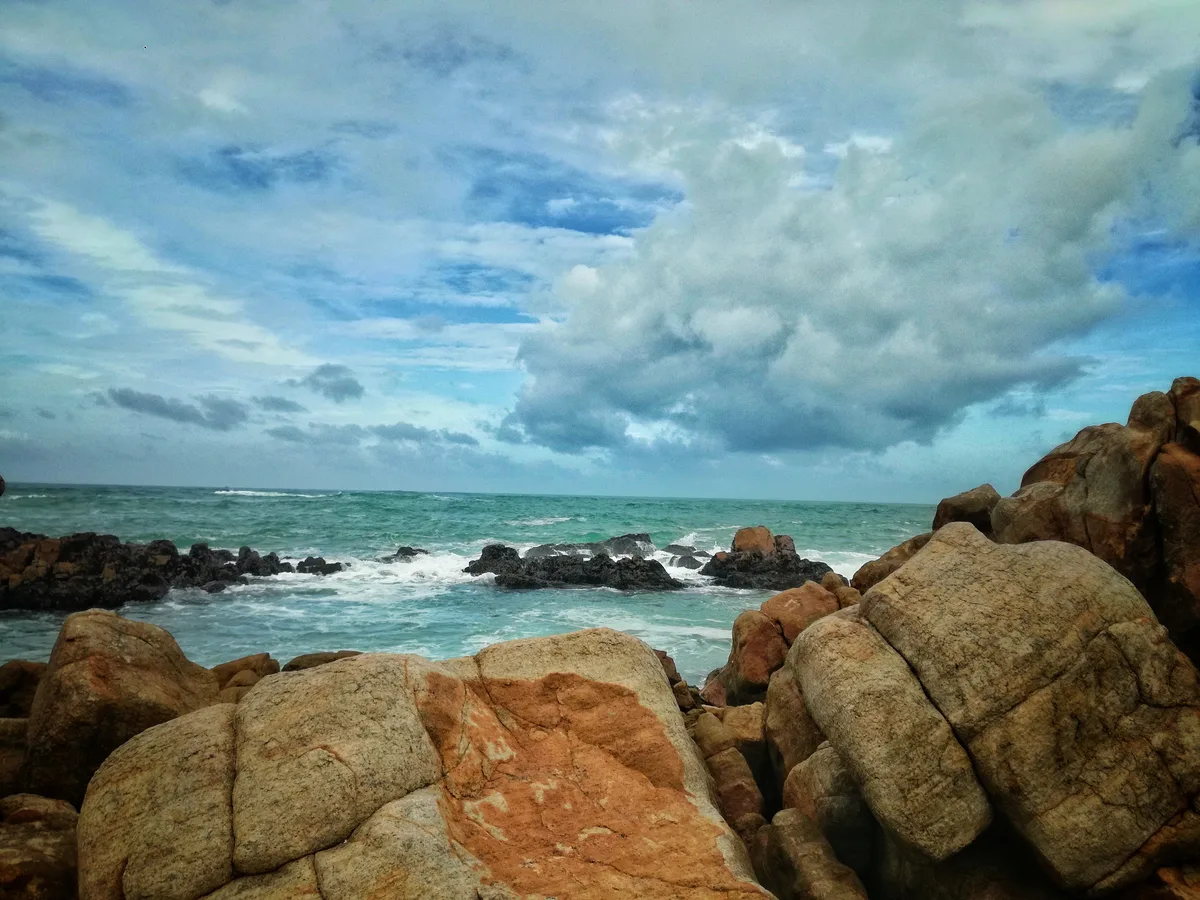
Different beach towns also serve different purposes. A place chosen for surfing is not automatically the right choice for a quiet family swimming day. Check the activity and local conditions, not just whether the coast appears in a seasonal table.
Hill country is a separate packing and route decision
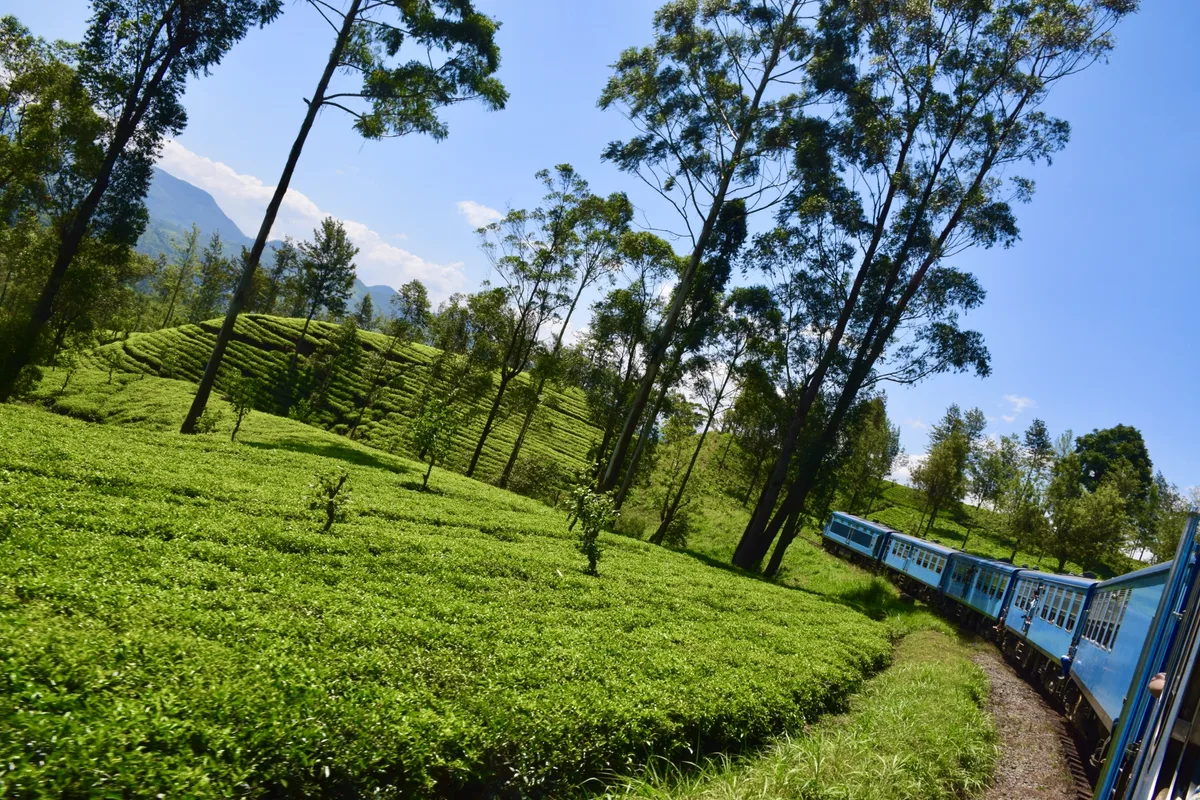
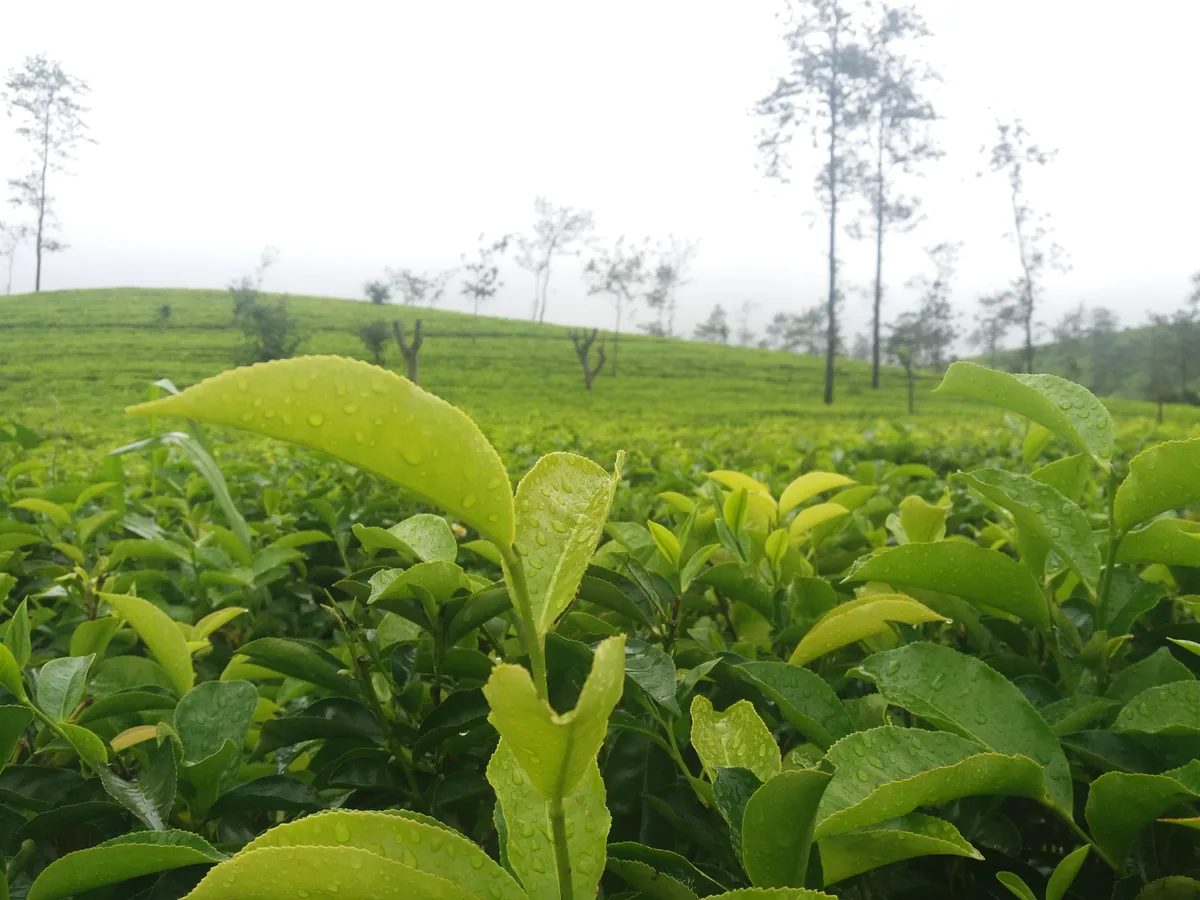
Kandy, Ella and tea-country stops add elevation, road travel and outdoor walking to a coastal plan. Pack an extra layer and rain protection rather than treating a beach suitcase as the complete answer. The official climate guide explains how the highlands affect temperature and rainfall. [1]
Build room for wet or cloudy days. A viewpoint can be disappointing without visibility, but the answer is not to force another long transfer. Choose a base with useful meals, a manageable access route and something worthwhile nearby if an outdoor plan changes.
Wildlife and culture need their own dates
For a safari, confirm the park’s current access and the actual operator’s route; a broad wildlife season does not guarantee an animal sighting. For a cultural event, use the organizer’s published year-specific date and visitor rules rather than assuming an annual celebration always falls on the same day.
Keep scarce dated experiences beside the transport plan. A trip should not depend on leaving a long road journey and a strict admission slot only a few minutes apart. If a key activity is unavailable, change the route before locking every hotel.

Use a practical booking order
- Choose the travel dates and the main experience.
- Select the most suitable coast or inland direction.
- Check actual flights, long transfers and key activity dates.
- Reserve the essential rooms with appropriate flexibility.
- Add optional outings after the route works.
- Review forecasts and operating notices close to travel.
There is no measured hotel-price average or guaranteed cheapest month here. Compare dated room quotes under the same occupancy, meal and cancellation conditions before making a cost claim.
Keep a weather-flexible daily plan
Use the Department of Meteorology for current forecasts and warnings. Distinguish normal tropical rain from an alert that affects roads, outdoor access or a transfer. A seasonal beach recommendation does not overrule a local sea warning. [3]
- Keep one flexible day rather than prepaying every morning.
- Choose accommodation with practical indoor or nearby alternatives.
- Recheck transport before moving after severe rain.
- Ask a boat or surf operator how unsuitable conditions are handled.
- Allow an adequate airport-return buffer.
The right month improves the starting plan. Flexible bookings and current local checks are what make it workable when the actual weather differs.
Apply the seasonal pattern to a real route
| Scenario | Route to compare | What to change from a generic itinerary |
|---|---|---|
| January, culture plus beach | Cultural Triangle and a selected southwest or southern base | Avoid adding a distant eastern beach merely to cover both coasts |
| July, culture plus beach | Cultural Triangle and an eastern coastal base | Reconsider the south-coast finish rather than keeping it by habit |
| October, culture is the main interest | Fewer inland bases with flexible outdoor days | Keep weather-sensitive outings and long transfer days movable |
For the January example, a short trip could keep Sigiriya and one coast, leaving the hill country for a longer visit. For the July example, compare an east-coast stay with the actual Cultural Triangle road connection before adding Ella. For October, a comfortable property with meals and a useful indoor alternative can be more valuable than a long list of prepaid outdoor activities.
Decide which part of the holiday you would be most disappointed to lose. If it is swimming, prioritize the coast choice and a suitable property. If it is heritage, give cultural visits dedicated days and treat the beach as a flexible addition. If it is the scenic train, verify the operating section before selecting hotel nights around it.
Pack and book for both lowlands and hills
A mixed route needs more than beach clothing. Use light, comfortable clothing for warm lowlands, a layer for cooler hill-country periods, rain protection and footwear suitable for the walking you intend. Keep a dry change accessible on transfer days rather than buried in the main luggage. The actual forecast should decide the final packing, not a single islandwide average.
Ask the accommodation about drying clothes, room ventilation or cooling, and the route from the road to the building. A hillside setting can be attractive but less convenient during sustained rain. If traveling with children or someone who finds steps difficult, discuss that access before booking instead of assuming a vehicle can reach every entrance.
For outdoor bookings, ask what happens when conditions are unsuitable: refund, a different date or another activity. These are different remedies. If the provider can only move you to tomorrow and you leave that morning, the apparent flexibility has little value. Save the terms and choose enough space in the itinerary to use them.
Check current meteorological warnings before a long road move and again before a sea or hill activity. A normal seasonal shower and a significant weather alert call for different decisions. The purpose of season planning is to improve the starting route; it should never become a reason to disregard a current warning. [3]
BEFORE YOU GO
Common questions
Which coast should I choose?
Use your month and intended activity to compare southwest and east-coast options. Then check the specific town’s current sea and weather conditions.
Can I visit during a rainy season?
Build a route with regional differences and alternatives in mind. Follow actual weather warnings and transport notices rather than treating a month label as permission to ignore them.
Does the best beach season guarantee safe swimming?
No. Check the local conditions and safety arrangements on the day. Seasonal weather guidance and safe access to the sea are different questions.
THE INFORMATION BEHIND THE GUIDE
References
Official and operator information checked on 9 October 2026. Recheck conditions for your own dates. The itinerary and decision examples are editorial suggestions; they are not booked services or first-hand reviews.
- Sri Lanka climate and monsoon guide ↗Sri Lanka Tourism · checked 9 October 2026
- Regional beach seasons ↗Sri Lanka Tourism · checked 9 October 2026
- Current weather forecasts and warnings ↗Sri Lanka Department of Meteorology · checked 9 October 2026