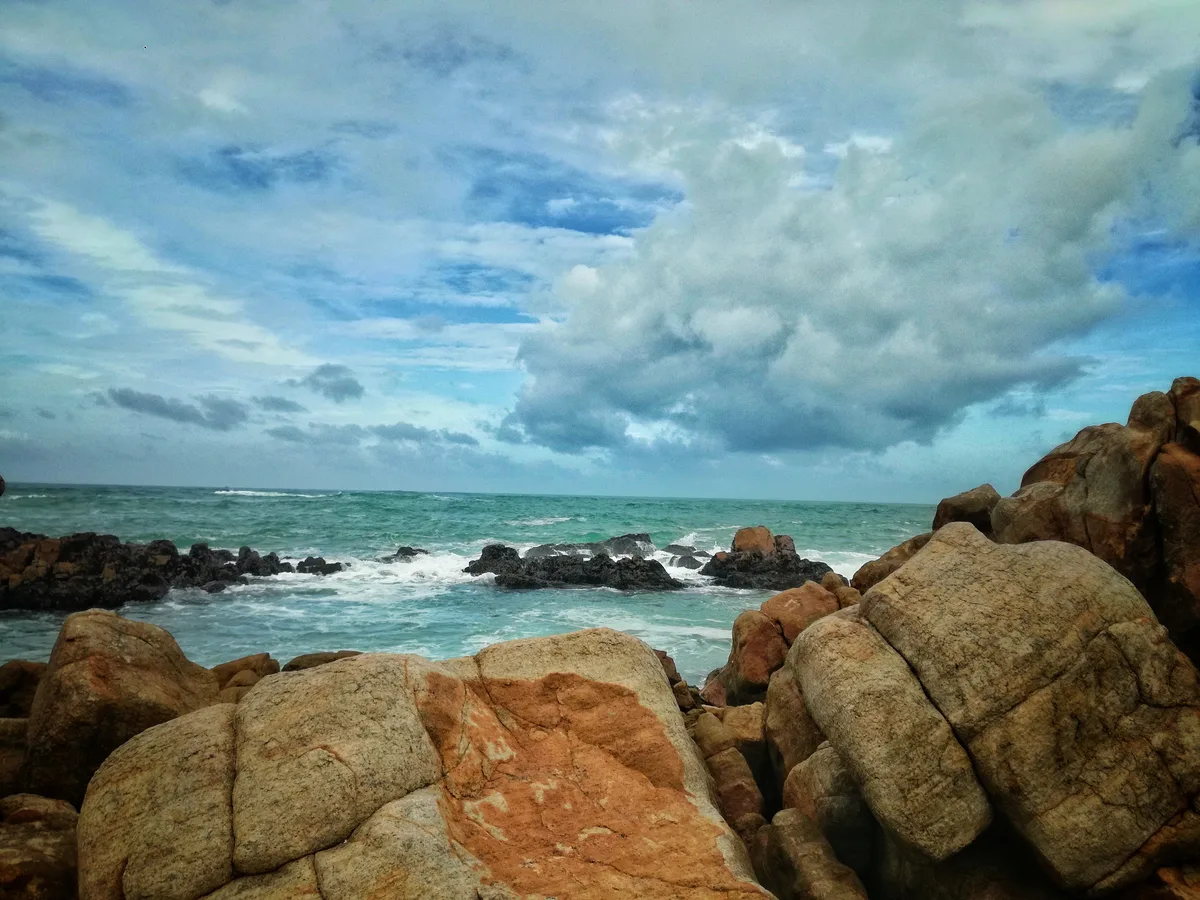
Sri Lanka · Travel essentials
What to Wear in Sri Lanka: Beaches, Hill Country, Safaris and Temples
Pack a compact Sri Lanka wardrobe for coastal heat, hill-country rain, temple visits and safari mornings, with practical shoes and removable layers.
Our founder previously worked for a travel company. About Destinode
On this page
A Sri Lanka route can move from a humid coastal arrival to a temple visit, a hill-country evening and an early safari within a few days. You do not need a separate suitcase for each setting. You do need clothes that overlap, dry reasonably quickly and let you adapt without returning to the hotel.
Sri Lanka Tourism describes a tropical climate shaped by elevation and two monsoons, with October–November as a second inter-monsoon period. Treat those patterns as context, not a forecast for your particular walk or beach day. Check your actual stops shortly before departure. [1]
Build the bag around the route's coldest and wettest parts
| Part of the trip | Useful clothing | Practical adjustment |
|---|---|---|
| Colombo, Galle and the coast | Light, breathable everyday clothes | Carry a layer for indoor cooling or a late journey |
| Kandy and tea country | Removable layer and rain protection | Check the overnight location, not just the region |
| Temple visits | Clothes covering legs and shoulders | Choose footwear you can remove easily |
| Safari morning | Comfortable clothes and a light outer layer | Prepare for sitting, dust and changing temperature |
| Hill walk | Grip, practical movement and a small day bag | Do not choose the outfit solely for a photograph |
Write down the highest or coolest place where you will sleep and the earliest outdoor start. Those are often the moments that reveal a missing layer. A lightweight fleece or similar garment can serve a hill evening, a cool vehicle and an early start without requiring several bulky pieces.
Keep the rain layer accessible during transfers. Packing it at the bottom of a suitcase is inconvenient when you need to walk from a station or carry bags into a hillside property. Protect documents and electronics separately; a damp outer jacket should not share their compartment.
Temple clothing: prepare a complete outfit
The Temple of the Sacred Tooth Relic's own rules exclude shorts, sleeveless clothing and revealing attire, and require footwear and bulky bags to be handed over before entry. FCDO guidance for Buddhist temples also advises covering legs and shoulders and removing shoes and hats. [2] [3]
An easy solution is a loose shirt or top with sleeves and long trousers or a suitably long skirt. Check that the fabric remains opaque and comfortable when you climb steps or sit. A scarf can be useful, but relying on a small wrap to repair an otherwise unsuitable outfit can become awkward at the entrance.
Pack the temple clothes where you can reach them on a transfer day. If Kandy or Dambulla is a stop before hotel check-in, the required outfit should not depend on unpacking your entire bag. Keep the day bag small enough that you do not arrive carrying everything from the vehicle.
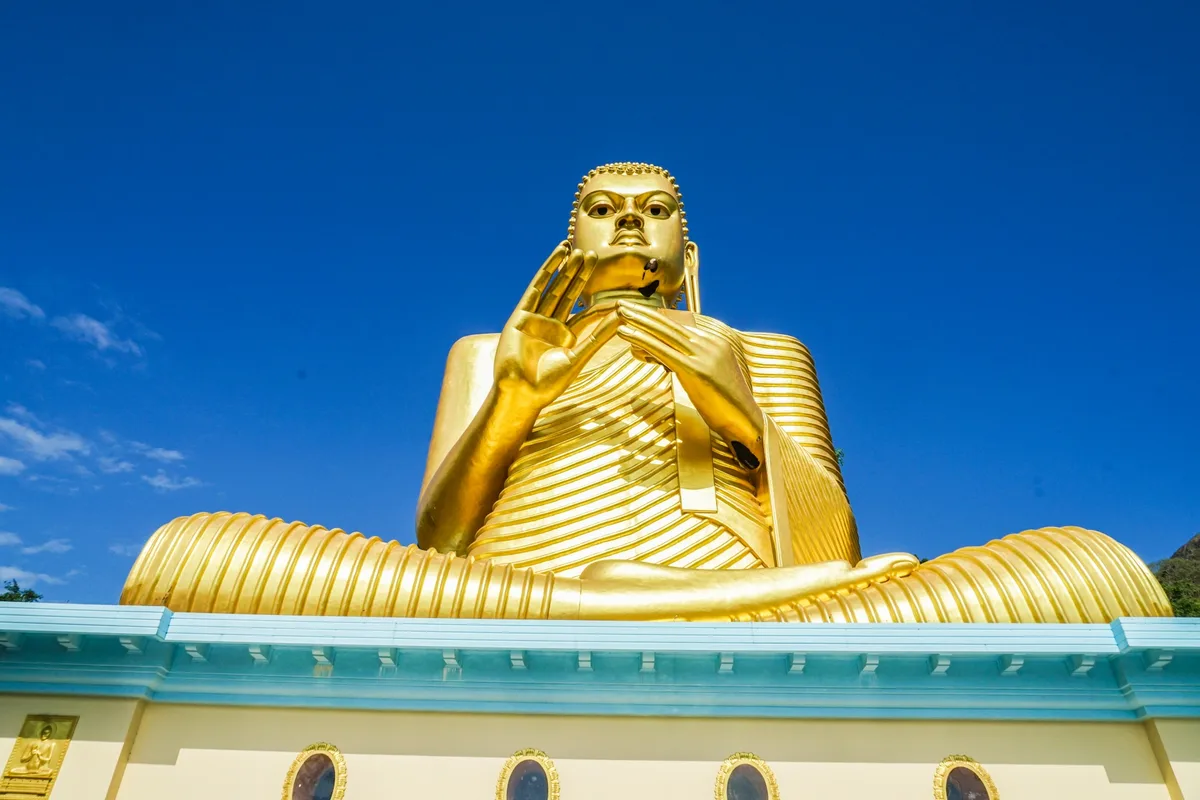
Allow time for shoe storage and screening rather than treating the arrival as an ordinary museum entrance. Bring only what you need and follow the site's current instructions. Do not assume clothing acceptable at a beach hotel will be appropriate at an active place of worship.
Hill country: layers, walking shoes and a realistic rain plan
Sri Lanka Tourism identifies Ella as cooler than the surrounding lowlands because of its elevation. That supports carrying an extra layer, but not assuming every day will be cold or that rain lasts a predictable number of minutes. [4]
Choose shoes you have already worn for a substantial walk. Grip and comfort matter more than buying a particular hiking brand for the trip. If a sole becomes slippery on wet steps at home, it is unlikely to improve on an unfamiliar hill path. Keep a dry pair of socks available for the journey afterward.
For an early viewpoint, carry a light rather than relying on a phone held in one hand, and choose a route within your ability. A sunrise photograph is not worth making a first unfamiliar scramble in darkness. You can visit in daylight or turn around when conditions are unsuitable.
Check current weather and landslide notices through the Disaster Management Centre before a substantial hill outing or drive. Clothes can improve comfort, but they do not make a closed or unsafe route usable. Keep an indoor or lower-effort alternative in the day plan. [5]
Safari clothing: plan for the vehicle as well as the weather
Wear clothes that let you sit comfortably for several hours and move into and out of the vehicle without restriction. A light long-sleeved layer can be useful during a cool start, while a hat and sunglasses may help later. Secure loose items so they do not blow out of the vehicle.
Choose subdued practical colors as an editorial preference for a wildlife outing, but do not let a shopping list of specialist safari clothes distract from the important booking questions. Vehicle occupancy, the guide, permits and considerate wildlife viewing matter more than buying a matching outfit.
- Keep a small bag for water, necessary personal items and camera protection.
- Use a strap or secure pocket for a phone instead of leaning outward to keep a photograph clear.
- Ask how the vehicle handles rain and whether there is covered storage for bags.
- Take away everything you brought into the park, including packaging.
If a long road transfer follows the safari, keep a clean layer or change of shirt reachable. You do not need to carry the whole suitcase into the viewing area. Confirm whether luggage remains at the accommodation or travels securely with your onward vehicle.
Beachwear belongs in the beach part of the day
Pack swimwear and a cover-up if the route includes a pool or beach, but keep ordinary clothes ready for meals, transport and town visits. FCDO notes that nude or topless sunbathing is not permitted. Follow any additional rules at the particular accommodation or site. [3]
A beach day still needs footwear for the approach and something dry for the return journey. Separate wet clothing from travel documents and the next day's outfit. If you move hotels in the morning, consider whether wet items can dry before you need to pack them.
Choose swimming from the current local conditions, not simply from the season printed in a guide. If the water is unsuitable, a coastal walk or shaded lunch should remain a satisfying option. You do not have to get into the sea to make a beach stay worthwhile.
A compact packing list with laundry built in
| Item group | A practical starting point |
|---|---|
| Everyday clothes | A small rotation that works together and dries between wears |
| Modest outfit | One complete combination for temples, not just a scarf |
| Outer layers | One warm layer and accessible rain protection |
| Footwear | Comfortable walking shoes plus easy footwear for appropriate settings |
| Day bag | Space for water, documents, a layer and necessary personal items |
- Lay out the route and mark temple, beach, hill and safari days.
- Choose clothes that can serve more than one of those days.
- Ask one accommodation about laundry turnaround instead of assuming same-day drying.
- Recheck the forecast and remove duplicates before closing the bag.
For a multi-stop trip, handling the bag is part of the packing decision. A suitcase you can manage on a flat airport floor may be difficult at a station or a room reached by stairs. Keep the total manageable for the least convenient transfer, and leave a little room for damp items rather than filling every compartment.
BEFORE YOU GO
Common questions
Can I travel with only beach clothes?
Not for a route including temples and hill country. Add a complete modest outfit, walking shoes, rain protection and a removable warmer layer. The exact amount depends on your stops and activities.
Do I need special safari clothing?
Usually the practical needs are comfortable movement, layers and protection for small belongings. Check the operator's instructions and avoid buying specialist items that add little to the actual outing.
Is a scarf enough for temple visits?
It can help, but a complete suitable outfit is easier to manage. Cover legs and shoulders and follow the individual site's rules; do not assume a small wrap makes any shorts or sleeveless outfit acceptable.
THE INFORMATION BEHIND THE GUIDE
References
Official and operator information checked on 10 October 2026. Recheck conditions for your own dates. The itinerary and decision examples are editorial suggestions; they are not booked services or first-hand reviews.
- Sri Lanka climate and monsoon guide ↗Sri Lanka Tourism · checked 9 October 2026
- Temple of the Sacred Tooth Relic: admission and visitor rules ↗Sri Dalada Maligawa · checked 10 October 2026
- Dress, transport and outdoor visitor guidance ↗UK Foreign, Commonwealth & Development Office · checked 10 October 2026
- Ella landscape and regional setting ↗Sri Lanka Tourism · checked 10 October 2026
- Current disaster, weather and landslide notices ↗Sri Lanka Disaster Management Centre · checked 10 October 2026