South Korea · Itineraries
Best Time to Visit South Korea: Spring or Autumn?
Spring blossoms, autumn walks or winter snow? Compare Korea's seasons, Seoul, Busan and Jeju, with the weather tradeoffs to check before booking.
Our founder previously worked for a travel company. About Destinode
On this page
Spring blossoms or autumn walks? For a first Seoul–Busan trip, that is a useful starting choice, but summer beaches and winter activities create different answers. Pick the experiences that matter most before you choose a month; one set of dates will not deliver every version of Korea.
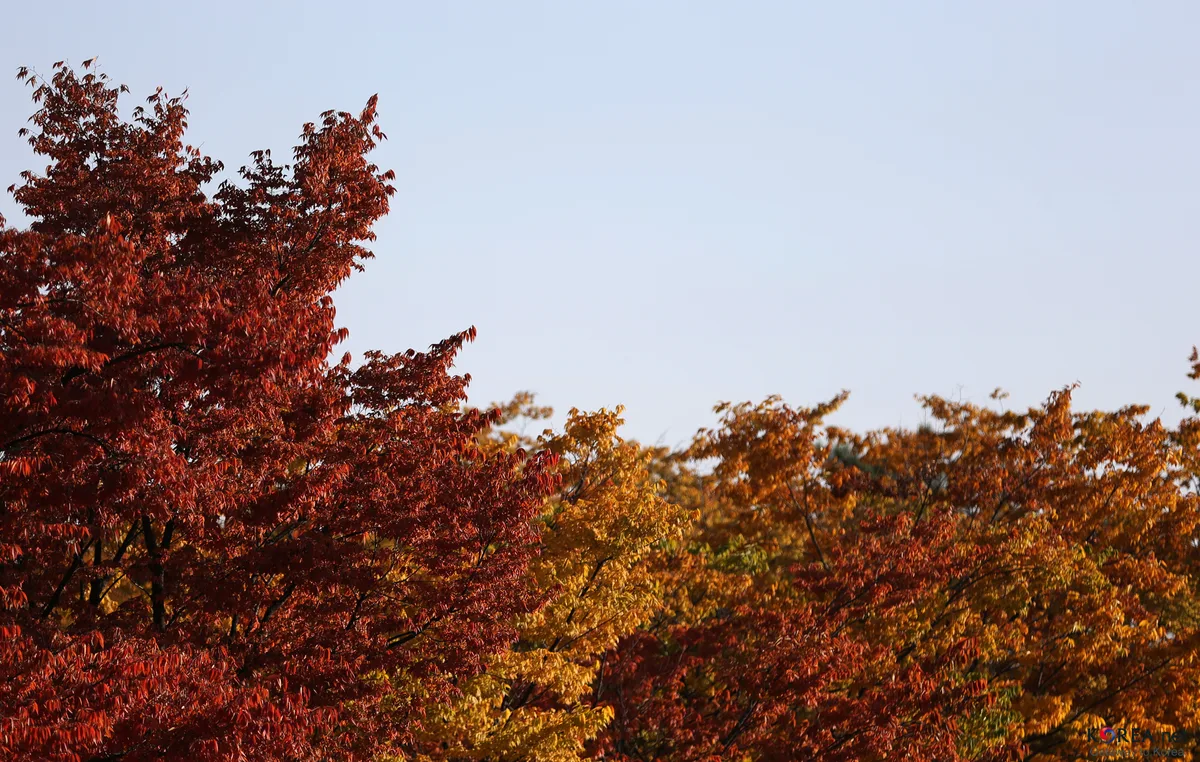
The month ranges below are planning guidance based on Korea's seasonal climate, not a forecast for your dates. Spring and autumn generally suit walking; summer is hot and humid, and winter is cold and dry. Coastal and island conditions differ from inland and mountain areas. [1]
Choose your season by what you want to do
| Travel goal | Start your search with | The compromise |
|---|---|---|
| Palaces, markets and city walks | April–May or October | Popular dates need an early hotel shortlist; flowers and leaves are not guaranteed |
| Busan or Jeju with time by the sea | Summer or early autumn | Heat, heavy rain and wind can change outdoor plans |
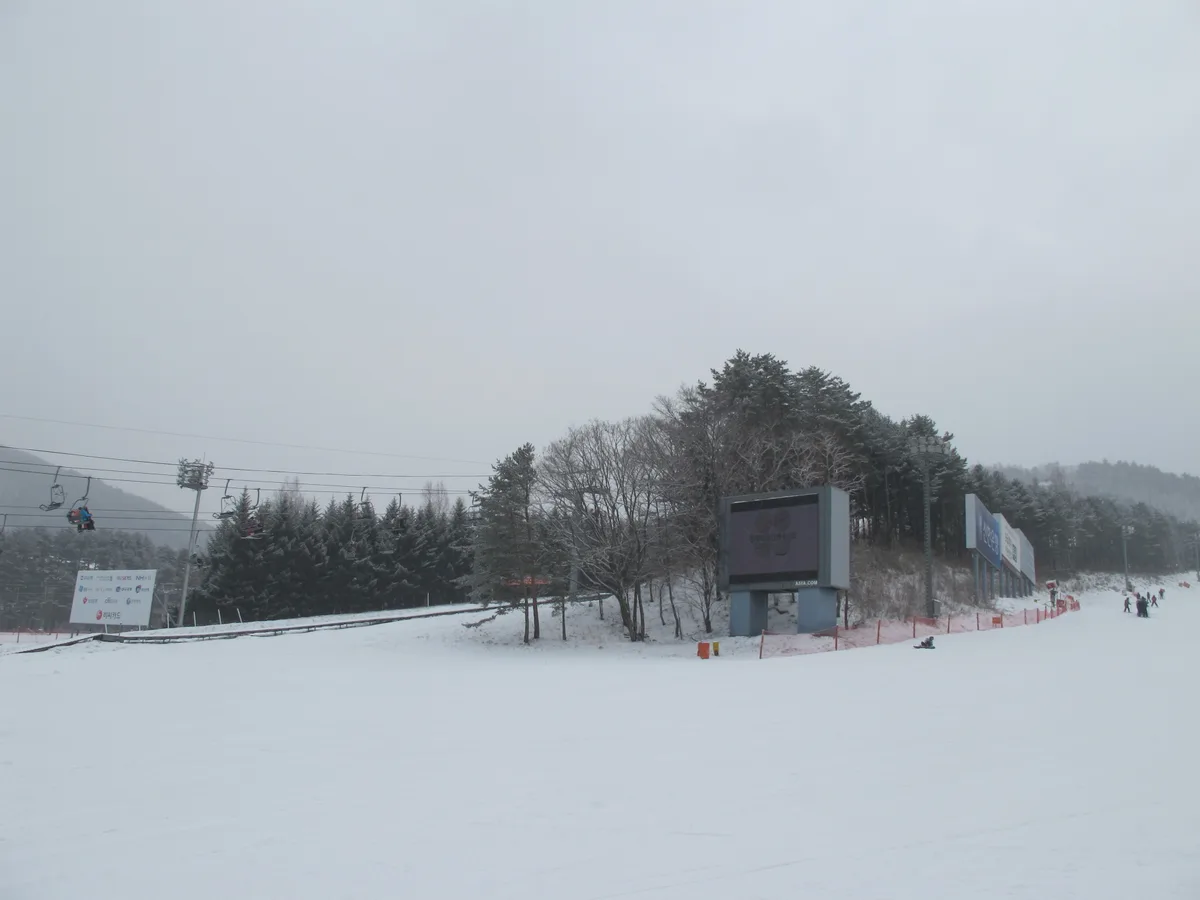
| Winter scenery or a ski stay | December–February | Cold-weather clothing and a confirmed activity opening are essential |
| A flexible culture-and-food trip | Your available dates | Plan shorter outdoor blocks and a strong indoor alternative |
For a mixed Seoul–Busan itinerary, give the cities the deciding vote. Do not choose a less suitable month for the entire trip merely to attempt one weather-dependent day. If an island hike is your main ambition, reverse that logic and make the island's conditions the anchor.
What changes through the year
| Months | Broad seasonal pattern | How to shape the day |
|---|---|---|
| March–April | Transition into spring; mornings can remain cold | Keep an outer layer for early palace visits and evening riverside walks |
| May–June | Warmer days before and into the summer transition | Start longer walks early and keep sun and rain protection handy |
| July–August | Hot, humid summer with a greater rain burden | Use one outdoor area at a time with indoor breaks nearby |
| September–October | Transition from late-summer conditions into autumn | Keep early-September and late-October packing lists separate |
| November | A noticeably colder late-autumn trip | Plan daylight sightseeing and warmer evenings |
| December–February | Cold winter, with freezing conditions possible | Shorten outdoor blocks; use shoes suited to wet or icy surfaces |
A label such as autumn covers a wide range of temperatures. Lay out clothes for the coolest part of your route as well as the warmest afternoon. A light city jacket may not be enough for an exposed mountain stop, while heavy winter luggage can be unnecessary for a short coastal visit in a milder month.
Seoul, Busan and Jeju need separate forecasts
Check the forecast for every overnight base. Seoul's inland setting, Busan's coast and Jeju's island setting do not produce identical days. KMA supplies location forecasts and weather warnings; use those close to departure rather than treating a national monthly description as a packing forecast. [2]
In practical terms, a wet Seoul day can become a museum-and-market day without changing hotels. A windy Jeju day may require changing the outdoor activity itself. Leave one uncommitted island day if coastal walks are central to the trip, and avoid scheduling a separate international flight immediately after the island connection.
For a first multi-region trip, pack layers that work together: a base layer, a removable warmer layer and weather protection appropriate to the season. Check accommodation laundry before packing a fresh full outfit for every day. The aim is to manage changing conditions without turning every station transfer into a luggage problem.
Blossoms and autumn leaves: book a good trip first
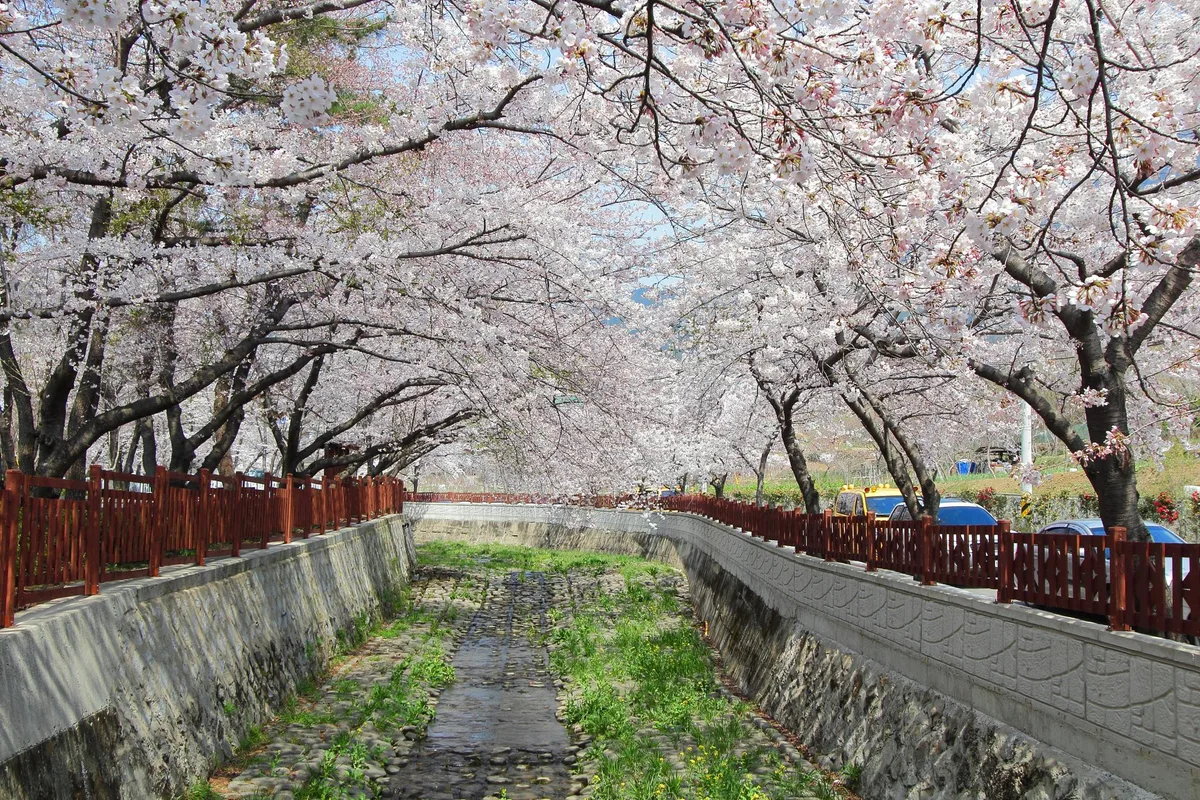
Treat blossom and foliage dates as a moving target. A forecast, a first-bloom report and a peak-viewing report describe different stages. An attractive photograph may also show a different elevation or part of the country from your hotel. KTO publishes seasonal travel material; use the current year's notices when they are available. [3]
Build a trip you would enjoy even if the seasonal display arrives early or late. In Seoul, keep several possible park or palace slots across your stay instead of attaching the whole trip to one morning. Reserve a flexible room where practical, then fine-tune local outings once the current reports and forecast are available.
Holiday periods affect the journey, not just the sights
Check your exact dates against the Korean public-holiday calendar before fixing a rail-heavy route. Seollal and Chuseok use dates that move between Gregorian years. Transport demand, special rail sales and individual business opening schedules can change the practical trip even when a tourist attraction remains open.
Use KORAIL's dated notices for holiday ticket releases and the booking calendar for your train. A sold-out train, a journey not yet released and a special holiday sales window need different responses. Avoid paying for a non-refundable hotel sequence on the assumption that tickets will appear at the usual time. [4]
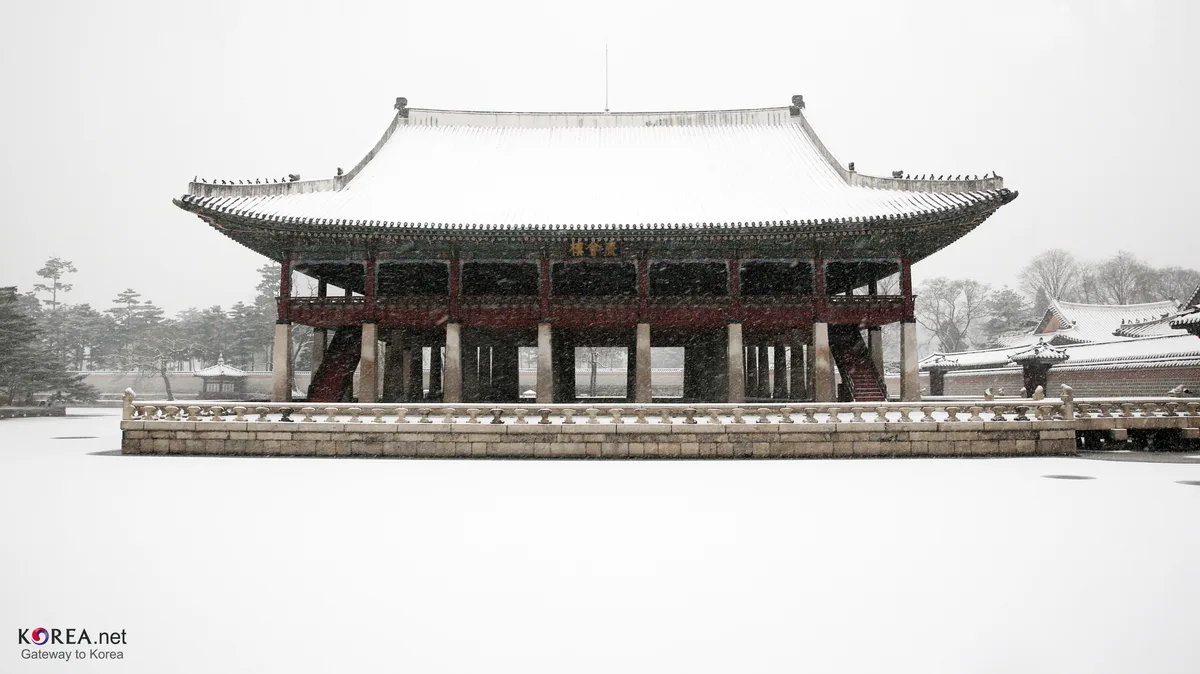
Also check attraction-specific closures. The palace authority lists regular weekly closing days and an exception when the closing day is a public holiday. A national holiday therefore does not automatically mean that every palace is closed. Place the actual opening calendar beside your day-by-day plan. [5]
What to reserve first and what to leave flexible
- Choose international flights and the number of overnight bases.
- Check whether the dates overlap a public holiday or the main purpose of your trip, such as a festival.
- Shortlist rooms with clear cancellation deadlines and practical transport access.
- Follow the official release notices for the intercity journeys you need.
- Book any limited-entry activity only after the transport and opening date fit.
- Leave an outdoor day movable and recheck local warnings before setting out.

Compare the full trip price rather than assuming a shoulder-season date is always cheaper. An event weekend in one city can change hotel prices independently of the national season. Quote the same room occupancy, cancellation policy and flight baggage allowance before deciding which departure date offers better value.
Make the trip work when your dates are fixed
A summer city day can begin with a short palace or neighborhood walk, continue with lunch and an indoor museum, and finish with an evening meal close to the hotel. A winter day can use one outdoor cluster between warm stops instead of combining distant exposed attractions. These are itinerary adjustments, not claims that a season is unsuitable.
For heavy rain or a weather warning, replace an exposed walk rather than simply adding an umbrella to the same plan. Choose an indoor destination you actually want to visit, check its opening day and save the route before leaving your accommodation. Keep any paid outdoor booking's change and cancellation terms with your confirmation.
BEFORE YOU GO
Common questions
Is October always the best month?
It is a useful starting point for a walking-focused first trip, but your exact dates, route and interests still matter. Check holidays, weather and the places you want to visit before booking.
Can I plan Seoul and Jeju in one season?
Yes, but check both destinations separately and give Jeju enough nights for its own activities. A shared season does not mean identical clothing or weather on the same day.
Should I avoid Korea in summer?
Not automatically. Build shorter outdoor sessions, indoor alternatives and flexibility around rain or wind. A beach or island holiday needs more weather resilience than a city-focused trip.
THE INFORMATION BEHIND THE GUIDE
References
Official and operator information checked on 9 October 2026. Recheck conditions for your own dates. The itinerary and decision examples are editorial suggestions; they are not booked services or first-hand reviews.
- Korea climate and seasonal travel guidance (Traditional Chinese) ↗Korea Tourism Organization · checked 9 October 2026
- Location forecasts and weather warnings ↗Korea Meteorological Administration · checked 9 October 2026
- Official South Korea travel guide ↗Korea Tourism Organization · checked 9 October 2026
- Official train reservations ↗KORAIL · checked 8 October 2026
- Palace opening hours, weekly closures and holiday exceptions (Korean) ↗Korea Heritage Service · checked 9 October 2026