South Korea · Travel essentials
What to Wear in South Korea in Autumn: September to November
Choose autumn layers for Seoul, Busan and mountain visits, with month-by-month adjustments, practical packing examples and a final forecast checklist.
Our founder previously worked for a travel company. About Destinode
On this page
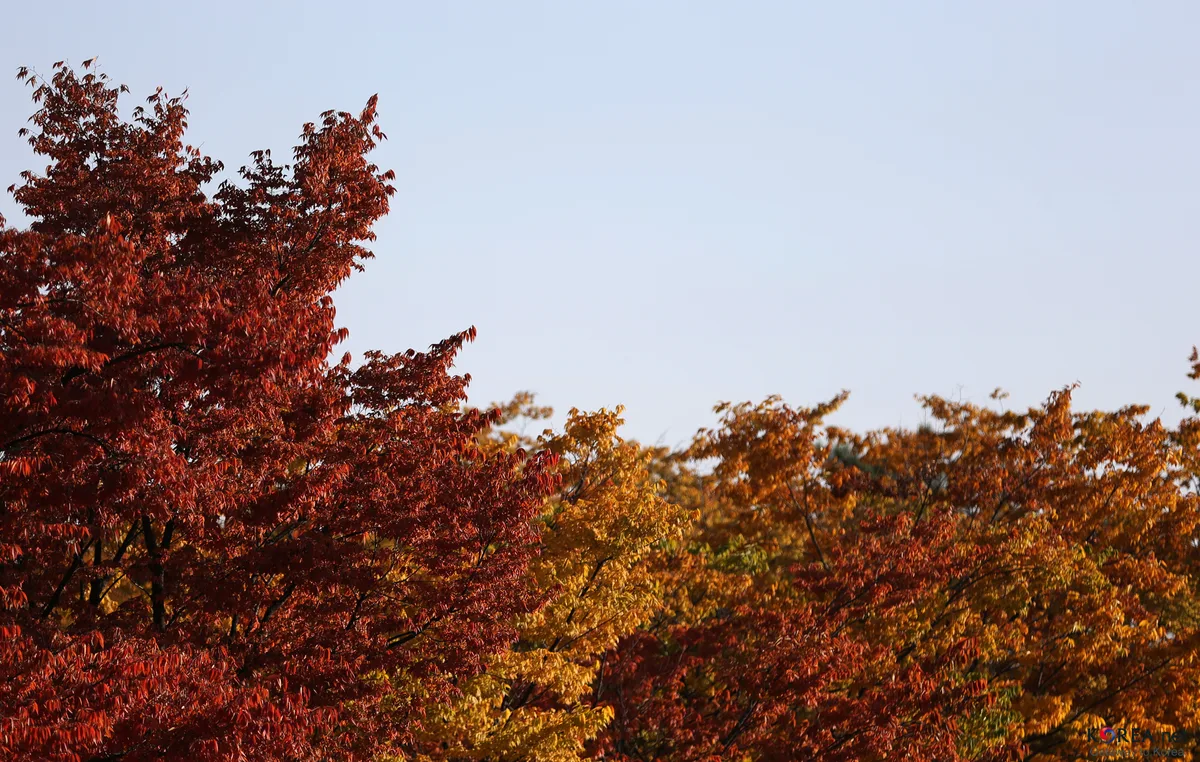
Autumn packing works best when you imagine one complete day: leaving the hotel early, walking through a palace, sitting indoors for lunch and returning after sunset. Clothes should handle those transitions without a suitcase full of separate outfits. This guide develops the autumn part of our year-round packing guide; it does not predict leaf color or trail conditions.
Korea Tourism Organization identifies September to November as autumn and recommends light layers or an outer layer because temperatures vary. Its published city table shows average monthly highs falling from 26.2°C to 11.9°C in Seoul between September and November, and from 26.4°C to 16.6°C in Busan. These are background averages, not your trip's forecast; the table does not state a reference period. [1]
September, October and November need different layers
| Travel month | Starting wardrobe | Final adjustment |
|---|---|---|
| September | Breathable tops, light bottoms and a removable layer | Check rain, wind and the evening low before dropping the jacket |
| October | Long sleeves, a middle layer and an outer layer | Choose thickness for early starts and outdoor evenings |
| November | Warmer middle layer, suitable coat and warm accessories | Check for cold spells and conditions outside the city |
Treat the month as a first filter. If you tend to feel cold, spend long periods sitting outside or leave before breakfast, a heavier layer may earn its space. If most evenings involve short transfers between indoor venues, you may prefer a lighter coat with a warmer sweater. Test both combinations with the bag you expect to carry.
A trip crossing from late October into November should be packed for its colder end. You do not need two complete wardrobes: reuse the everyday tops and change the insulating layer. Keep the warm combination available during arrival rather than buried beneath clothes you will not use until the final city.
Seoul, Busan and mountain weather need separate checks
Compare the forecast for every overnight base through KMA's location service. Record the expected low, rain and wind alongside your outdoor plans. Reading only the afternoon temperature can overlook the part of the day when you will actually be waiting at a station or walking beside the water. [2]
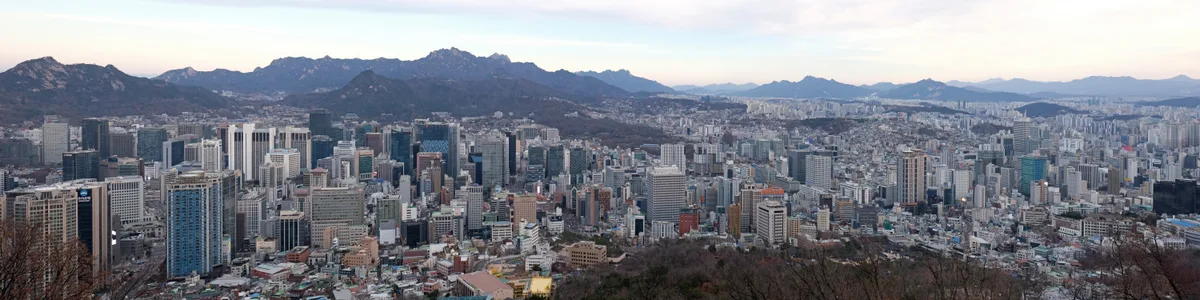
Use the same core wardrobe for Seoul and Busan, but change how you wear it. Keep an outer layer within reach for a coastal stop, and choose shoes that remain comfortable after several hours on your feet. A hotel beside the attraction and one requiring a longer return walk create different exposure even within the same city.
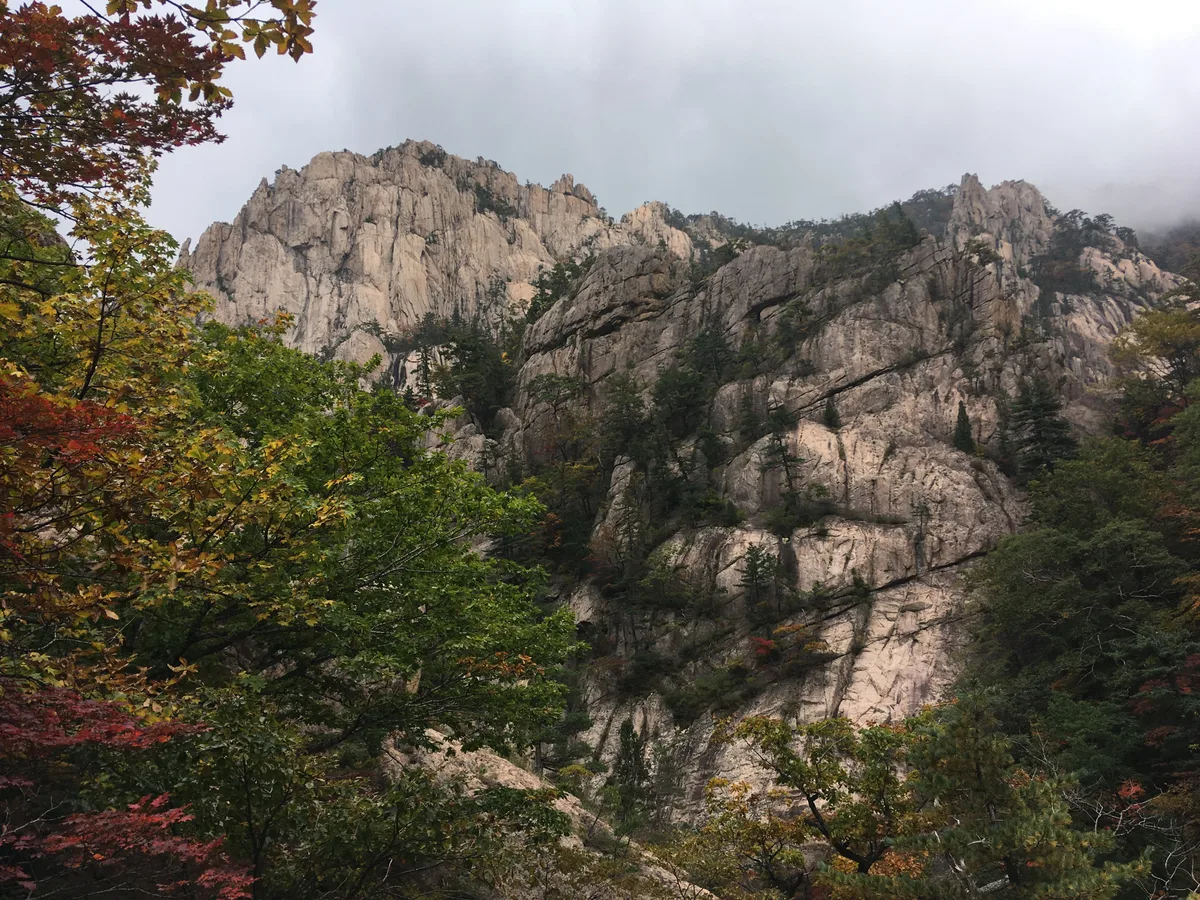
For Seoraksan, decide on the actual trail before deciding on the outfit. KNPS publishes route difficulty and asks visitors to check entry-time restrictions and trail controls. A short lower-level visit and a demanding mountain route should not share one generic packing list. A city forecast cannot establish that a trail is suitable. [3]
Build one outfit for the afternoon and another for the evening
Start with a top you can walk in, add a sweater or fleece, and finish with an outer layer that closes properly. Each part should work on its own. Tight sleeves that prevent you adding the middle layer are a practical problem even if the coat looks warm on a hanger.
- Keep the removable layer in your day bag, with enough room to put it away when indoors.
- Choose bottoms comfortable for stairs, sitting and long walks; check the waistband while wearing your layers.
- Carry the evening layer before leaving for dinner if you will return late, rather than relying on a shopping stop.
- For dressier plans, check the venue's policy and adapt the same outfit where possible.
Photographs in light clothing are not evidence that you can comfortably spend a whole day outside in that outfit. If you plan a hanbok rental, ask how the supplied layers work with your own jacket and footwear. Reserve the experience around the day's conditions instead of removing warmth simply to keep it out of the photograph.
Shoes and layers for autumn walks
For ordinary city walks, use shoes you have already worn for a realistic sightseeing day. Test them with the socks you will pack and check for rubbing while carrying a day bag. A second lightweight pair can be useful if the main pair gets wet, but several fashion pairs rarely improve the trip.
For a park outing, separate footwear comfort from trail suitability. Review the route's surface, grade, closures and equipment instructions before leaving. If a route requires equipment you do not have or experience you lack, choose a different outing. A warmer jacket does not resolve a closed path, difficult terrain or a departure too late for the planned route. [3]
Allow a spare pair of socks and a place for damp items. Keep the layer for resting accessible: clothing that feels warm while climbing can feel different when you stop moving. Plan the route and return transport together so that clothing choices do not become a reason to stay outside longer than intended.
Rain, laundry and room in the suitcase
Bring rain protection that fits the setting. An umbrella can be convenient in town; a hooded outer layer lets you keep both hands available when managing luggage. Check the forecast again before the outing and shorten or replace outdoor plans when conditions require it. Neither item makes severe-weather sightseeing appropriate.
Ask the hotel about actual laundry facilities, drying options and access hours. A washing machine is less useful if clothes cannot dry before checkout. Place the laundry stop before changing base, keep one dry outfit aside and avoid making every warm layer depend on the same wash.
Reserve space for the jacket when you remove it, as well as purchases. Check the baggage allowance on each booked flight. A compact cabin bag can still be difficult to manage if a bulky coat, umbrella and shopping bag leave both hands occupied at a station.
Three packing examples you can adapt
| Example route | Editorial starting list | Decision before departure |
|---|---|---|
| Four nights in Seoul in September | Three or four tops, two bottoms, light middle layer, outer layer, walking shoes | Adjust sleeve length and rain protection using the actual forecast |
| Seven nights in Seoul and Busan in October | Four or five tops, two bottoms, sweater, jacket, trusted shoes and a laundry plan | Check both cities and the coastal portion of the route |
| Ten nights with a November mountain outing | Reusable city wardrobe, warmer insulation, accessories and separate trail equipment | Confirm the trail and conditions; change the outing if requirements exceed your preparation |
- List every destination and the earliest and latest time you expect to be outdoors.
- Check KMA forecasts and the park's own notices for the selected route. [2] [3]
- Lay out the warmest complete outfit and verify that every layer fits together.
- Remove duplicates that serve the same purpose; keep a dry backup where it solves a real problem.
- Recheck conditions before the day trip and carry the layers you will need for the return.
If a forecast changes, replace the key item rather than adding another complete outfit. Better weather protection or a warmer middle layer can be more useful than several extra tops. The goal is a wardrobe you can carry, wash and wear across your actual route.
BEFORE YOU GO
Common questions
Is a coat necessary in October?
Choose it using the forecast, time outdoors and your comfort needs. A removable middle layer and jacket are a useful starting combination; a month label alone cannot establish the right thickness.
What changes in November?
Plan a warmer complete outfit for early starts and evenings, and check every destination separately. Keep the insulating layer and accessories accessible during travel instead of packing only for the afternoon.
What should I wear for Seoraksan?
Choose the route first and follow KNPS access, difficulty and equipment guidance. Clothing for a lower-level sightseeing visit does not establish readiness for a mountain hike. Verify the day's conditions before going. [3]
THE INFORMATION BEHIND THE GUIDE
References
Official and operator information checked on 11 October 2026. Recheck conditions for your own dates. The itinerary and decision examples are editorial suggestions; they are not booked services or first-hand reviews.
- Climate and seasons: published averages and clothing guidance ↗Korea Tourism Organization · checked 11 October 2026
- Location forecasts and weather warnings ↗Korea Meteorological Administration · checked 11 October 2026
- Seoraksan route difficulty and access-control information (Korean) ↗Korea National Park Service · checked 11 October 2026