South Korea · Travel essentials
What to Wear in South Korea: A Seasonal Packing Guide
Pack for Seoul, Busan and Jeju with seasonal layers, practical walking shoes, a reusable seven-day wardrobe and a forecast-based final check.
Our founder previously worked for a travel company. About Destinode
On this page
The useful packing question is not whether Koreans wear jeans or trainers. It is whether your clothes work for a palace courtyard, a long station interchange and dinner after sunset without returning to the hotel. A small wardrobe that handles those transitions is more useful than a separate outfit for every photograph.
Korea Tourism Organization describes hot, humid summers and cold, dry winters, with more moderate spring and autumn conditions. These are seasonal patterns, not promises for a particular week. Use them to build a shortlist, then check each destination's forecast before choosing the final outer layer. [1]
Start with your route, not a national temperature
Write down every overnight base and the most exposed activity. For Seoul and Busan city sightseeing, a compact set of layers can do most jobs. Adding a Jeju coastal walk, an early mountain start or several hours outside at a winter attraction changes the clothing requirement more than adding another shopping district.
| Part of the day | Pack for | Useful adjustment |
|---|---|---|
| Palace and neighborhood walking | Several hours on your feet | Broken-in shoes, breathable base layer and a small day bag |
| Coast, river or viewpoint | Wind and longer exposure | An outer layer you can close, rather than only a loose cardigan |
| Train, café or museum | A different indoor temperature | Layers that come off easily and fit inside your bag |
| Hotel changes | Handling your own luggage | Clothes that mix together and do not require another suitcase |
A city forecast does not describe the conditions on a mountain summit. If the trip includes hiking, use the activity's official access notices and mountain forecast, and pack separately for that day. Ordinary sightseeing trainers are not a substitute for equipment required by the trail conditions.
Spring: change the layers as the season progresses
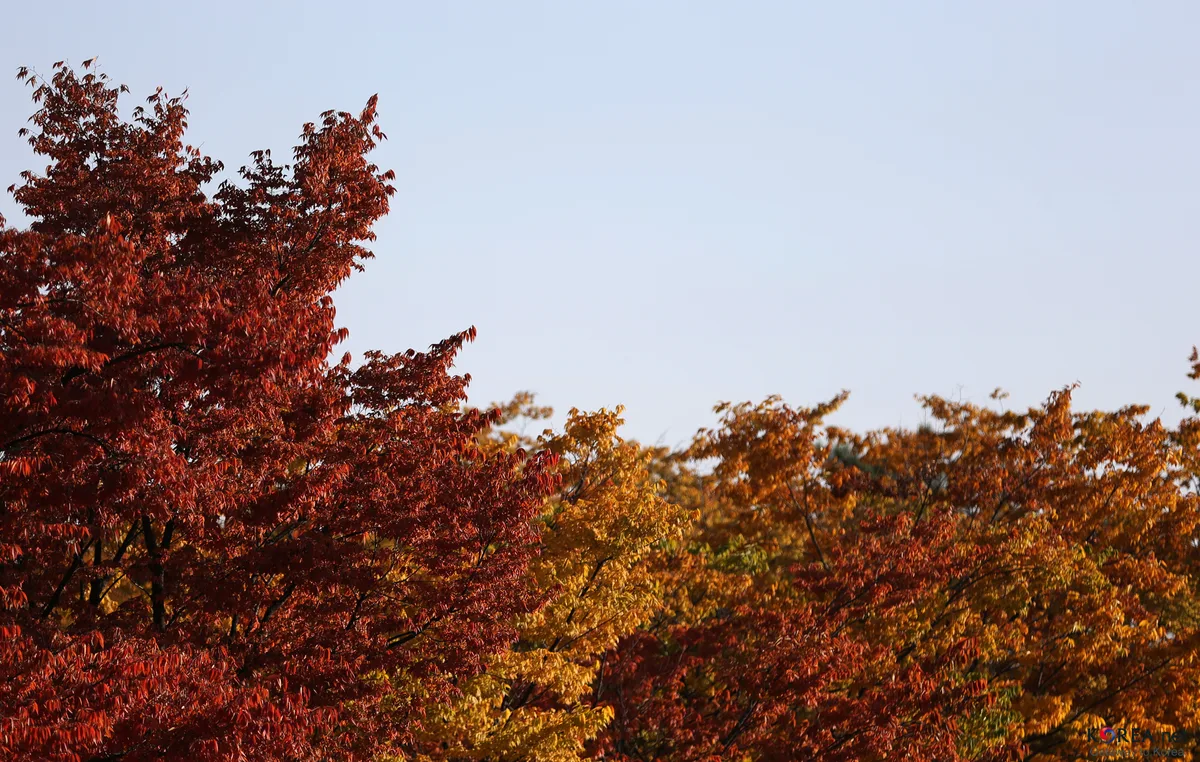
Treat March and May as different packing problems. KTO recommends an outer layer for chilly spring mornings and evenings, while later spring can call for short sleeves as well. Seoul's seasonal guide is useful background, but the actual daily low matters more when you plan to leave before breakfast. [1] [2]
For an early-spring city trip, test your base layer, sweater and jacket together at home. You should be able to walk comfortably without feeling restricted at the shoulders. For a warmer late-spring trip, reduce the thickness of the middle layer rather than removing all weather protection. Keep one layer accessible during the flight so your first transfer does not begin with unpacking at the station.
Do not let blossom photographs decide the entire wardrobe. A light outfit can work for a short photo stop but be uncomfortable for an evening along the river. If dressing up matters, carry the warmer layer and leave the bulky second outfit at the hotel.
Summer: think about drying as well as rain
KTO highlights summer humidity and rain, including the late-June to late-July rainy period, and advises forecast checks. A raincoat or umbrella, breathable clothing and sun protection belong on the shortlist. [1]
Choose fabrics you can wash and dry between hotel changes. One heavy pair of trousers that stays wet overnight is less useful than two lighter pairs that share the same tops. A small bag for damp clothing protects the rest of your luggage, but unpack it promptly at the next hotel.
An umbrella is convenient in a shopping district; a hooded layer keeps both hands available on an exposed walk. Neither makes severe weather a sightseeing opportunity. If heavy rain is forecast, shorten the outdoor route and use an indoor alternative. Keep spare socks in the day bag when you expect a long day away from your room.
Autumn and winter: keep warmth adjustable
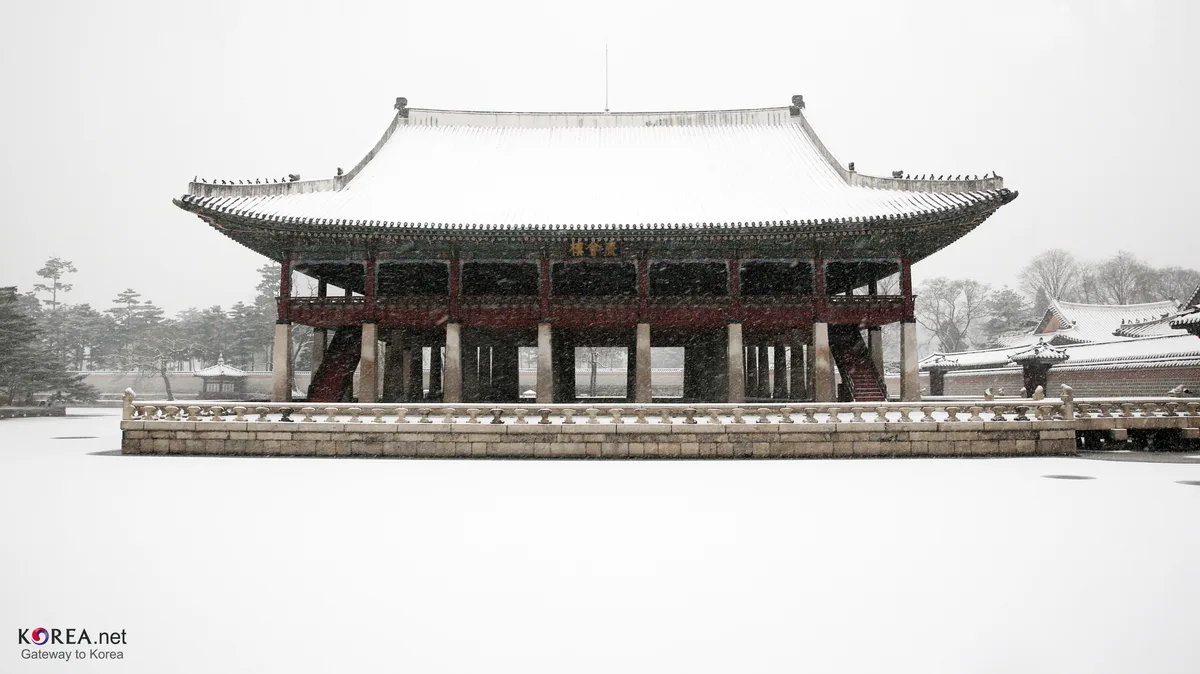
September can still need warm-weather clothing; late autumn requires a different evening layer. Seoul's tourism guide describes cold winter conditions, including occasional severe cold and snow. Winter packing therefore needs more than a fashionable coat chosen for daytime photographs. [2]
For winter, build from a comfortable base layer to an insulating middle layer and a coat that blocks wind. Add gloves, a scarf or neck covering and warm headwear. Try using your phone with the gloves before departure. A glove that comes off every time you check a map becomes less useful during a long outdoor visit.
Pack shoes for the conditions you will actually meet, including wet or icy surfaces when forecast. Do not buy stiff boots immediately before leaving and assume they will become comfortable after a full day of walking. Indoors, remove layers before becoming overheated; put them back on before leaving rather than waiting until you feel cold outside.
Shoes, socks and cultural visits
Choose the main pair of shoes by walking in them for a realistic amount of time while carrying your day bag. Check heel rubbing, toe room and how the soles behave on smooth wet surfaces. A second lightweight pair is useful if the main pair gets soaked, but a large collection of occasion shoes adds weight without improving most sightseeing days.
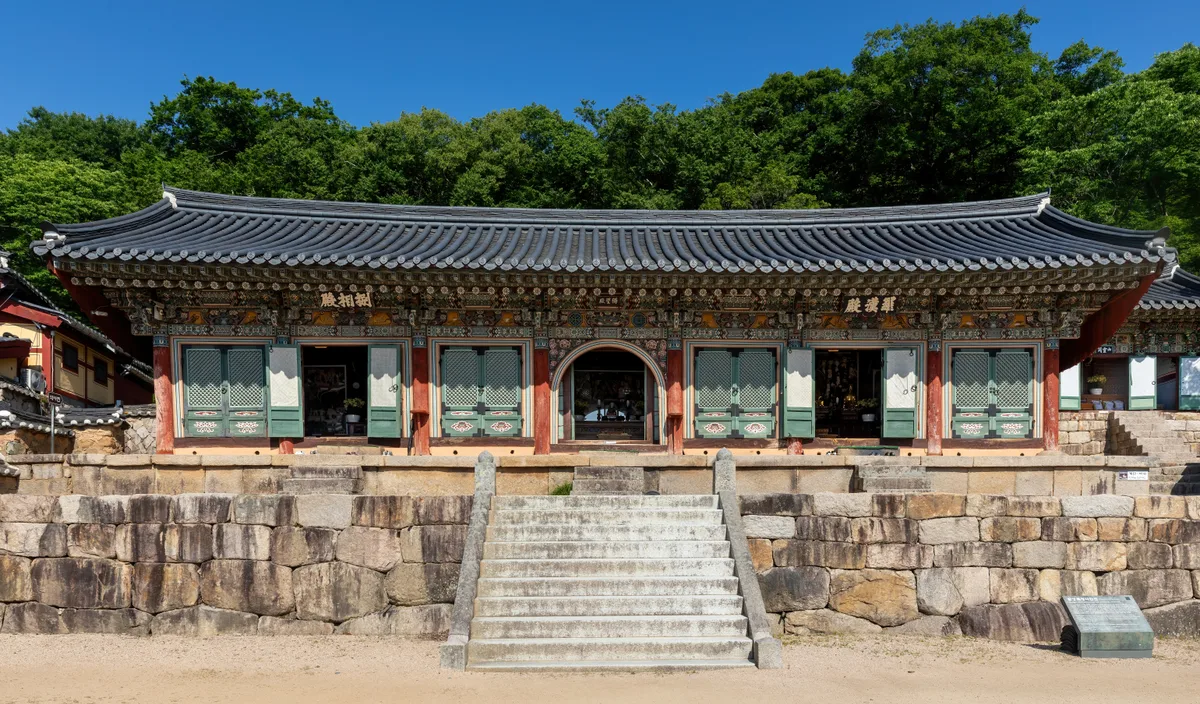
KTO notes that shoes may need to be removed when entering homes and some indoor settings. Clean, comfortable socks are a practical part of the wardrobe. For a temple or other religious visit, favor clothing that lets you move respectfully and follow the site's own instructions. Do not treat a general city fashion guide as a religious venue's dress policy. [1]
For hanbok rental, keep your walking shoes unless you actively prefer the offered footwear. Check the hem when climbing a step and make sure an outer layer can be worn when needed. The rental experience should fit the weather; do not spend several cold hours outside simply because a coat hides the outfit.
A reusable seven-day packing list
- Four or five mix-and-match tops, with sleeve length chosen for the season; plan one laundry stop rather than seven full outfits.
- Two everyday bottoms plus a spare if your route includes wet outdoor activities; avoid packing several items that only match one top.
- Enough underwear and socks to reach the confirmed laundry stop, including a dry spare pair in your hand luggage.
- One removable middle layer and one appropriate outer layer; winter insulation replaces the light summer layer rather than merely adding bulk.
- One trusted walking-shoe pair, optional lightweight spare footwear, sleepwear and a compact bag for laundry.
- Activity-specific clothing only for activities you have actually planned, plus rain protection that fits in your day bag.
These quantities are a starting point for one adult, not a rule. Travelers who need more changes or cannot use shared laundry should adjust them. Ask whether the accommodation has a dryer, when it is available and whether a late arrival leaves enough time to use it.
Make the final decision just before departure
- Open KMA's location forecast for every overnight base, not only Seoul. [3]
- Check the day's lowest temperature, rain and wind alongside the time you expect to be outdoors.
- Lay out one complete cool-weather outfit and one warm-weather outfit; identify which items work in both.
- Wear the heaviest useful layer during travel, while keeping airport security and cabin comfort in mind.
- Leave room for purchases and confirm the baggage allowance of every flight, including the domestic leg.
If the forecast changes, swap one key layer rather than adding another complete wardrobe. A warmer jacket, better rain protection or a suitable shoe can solve a real problem. Extra outfits rarely solve an overambitious itinerary or an outdoor activity that should be postponed.
BEFORE YOU GO
Common questions
Can I wear trainers and jeans in Korea?
They can work well for ordinary city sightseeing. Choose them for comfort and the weather: heavy jeans are less useful when you expect frequent rain, and a dressier venue may have its own policy.
Do I need a different wardrobe for Busan?
Usually you can reuse the same core clothes, but check Busan's own forecast and pack a layer for exposed coastal time. Do not automatically apply Seoul's daily temperatures to the whole route.
Should I buy winter clothes after arriving?
Bring enough warmth for the arrival transfer and first day. Shopping can supplement the wardrobe, but relying on finding the right size immediately adds an avoidable task when you are tired.
THE INFORMATION BEHIND THE GUIDE
References
Official and operator information checked on 9 October 2026. Recheck conditions for your own dates. The itinerary and decision examples are editorial suggestions; they are not booked services or first-hand reviews.
- Climate and seasonal clothing guidance ↗Korea Tourism Organization · checked 9 October 2026
- Seoul through the seasons ↗Seoul Tourism Organization · checked 9 October 2026
- Location forecasts and weather warnings ↗Korea Meteorological Administration · checked 9 October 2026