South Korea · Travel essentials
What to Wear in South Korea in Winter: Cities, Jeju and Ski Days
Build a winter wardrobe for Seoul, Busan and Jeju, choose practical shoes and accessories, and separate city clothing from ski-day rental equipment.
Our founder previously worked for a travel company. About Destinode
On this page
The hardest part of winter packing is often the change between a long outdoor visit and a warm train or café. One very thick outfit can become awkward indoors, while a city-fashion outfit may not suit a long outdoor wait. Build a combination you can remove and put back on easily.
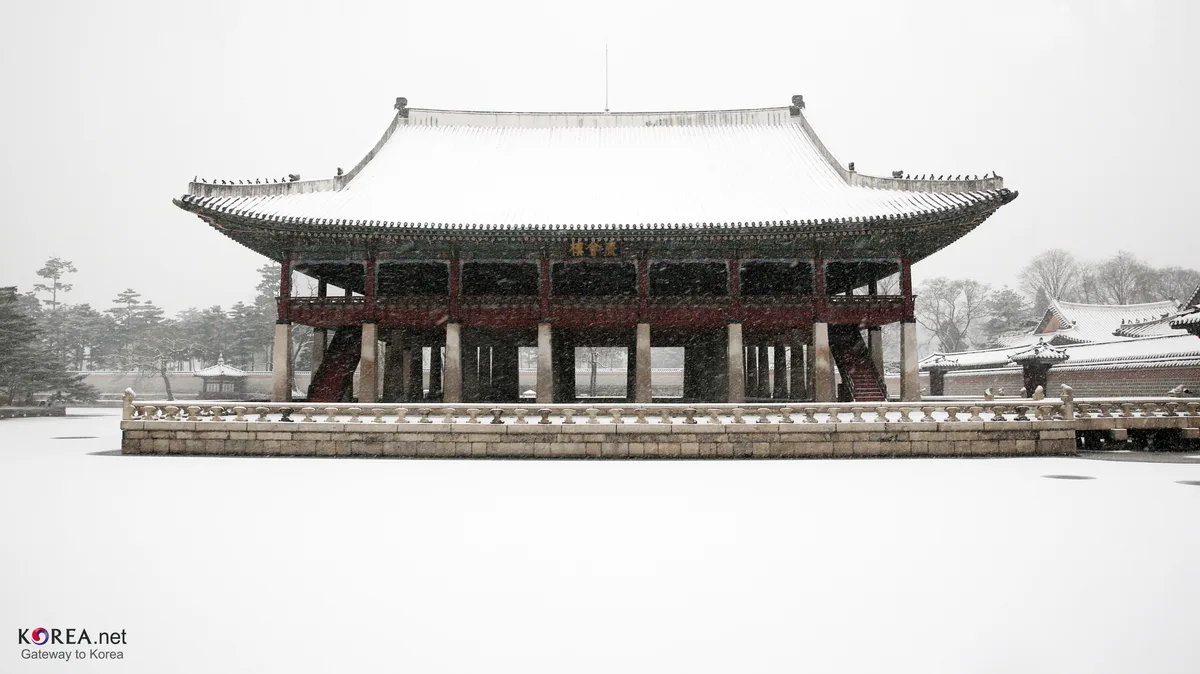
Korea Tourism Organization describes December to February as winter, recommends warm outerwear, gloves and scarves, and advises shoes suited to snow. Seoul's tourism authority also describes periods of severe cold and snow. Those descriptions justify preparing for cold conditions; they do not establish a snowfall date or the weather in Busan or Jeju during your stay. [1] [2]
Compare your destinations and outdoor exposure
| Part of the route | Clothing decision | What to verify |
|---|---|---|
| Seoul city days | Warm complete outfit with removable layers | Low temperature, wind, precipitation and long outdoor waits |
| Busan coastal visits | Reuse the core wardrobe with an accessible outer layer | Busan forecast and the exposed waterfront portion |
| Jeju sightseeing | Weather protection selected for the planned walks | Jeju forecast, wind and the operator's conditions |
| Ski or mountain day | Separate activity clothing and equipment | Open facilities, rentals, participant requirements and route notices |
KMA provides location forecasts and warnings. Check each overnight base and the activity location rather than treating a Seoul weather app as a national forecast. Add the time you expect to stand still outside: a transfer wait, evening market stop or photography session can change how you need to dress. [3]
Do not reduce warmth simply because a destination is farther south. Decide from actual conditions and the activity. Conversely, packing for a demanding mountain outing when you only plan short urban walks may add equipment that never leaves the room.
Build a removable base, middle and outer layer
The base layer should sit comfortably against your skin and let you move. The middle layer provides insulation; the outer layer should close fully and work over the other two without restricting your shoulders. Try the complete combination while sitting, walking and lifting your bag.
Thermal tops and leggings can be useful for prolonged outdoor time, but the decision depends on comfort and the day's conditions. Check how easily you can adjust the outfit indoors. If removing the base layer requires a bathroom change, choose the other layers so that taking off your coat and sweater provides enough adjustment.
- Test the coat's collar, cuffs and closure with the layers underneath.
- Choose a middle layer that fits inside the day bag when removed.
- Keep one dry change available if the route includes wet or snowy activities.
- Wear the useful bulky layer during travel where comfortable, and confirm your carrier's baggage rules.
A second coat is rarely the first solution to a mixed city route. A lighter insulating layer, a practical outer layer and planned indoor breaks can be easier to manage. If the forecast calls for conditions beyond your clothing or experience, shorten the outdoor part rather than relying on more fabric to make the itinerary work.
Choose footwear for the surface and the walking day
Start with fit. Wear the intended winter socks when testing the shoes, check toe space and walk with your day bag. Shoes that feel fine for ten minutes at home can become uncomfortable during a long station transfer. Avoid leaving the first substantial walk until after arrival.
KTO's winter advice includes footwear with grip for snow. Whether ordinary trainers suit your route depends on the forecast and surfaces; a fashion label or thick sole alone does not establish traction on ice. If snow or ice is expected, review the footwear and consider shortening exposed routes. [1]
Keep spare socks dry. Dry wet footwear as the material's instructions allow, and check the room's arrangements rather than putting it against an unsuitable heater. If you bring traction accessories, follow their instructions and any venue restrictions; no accessory turns every icy path into an appropriate walk.
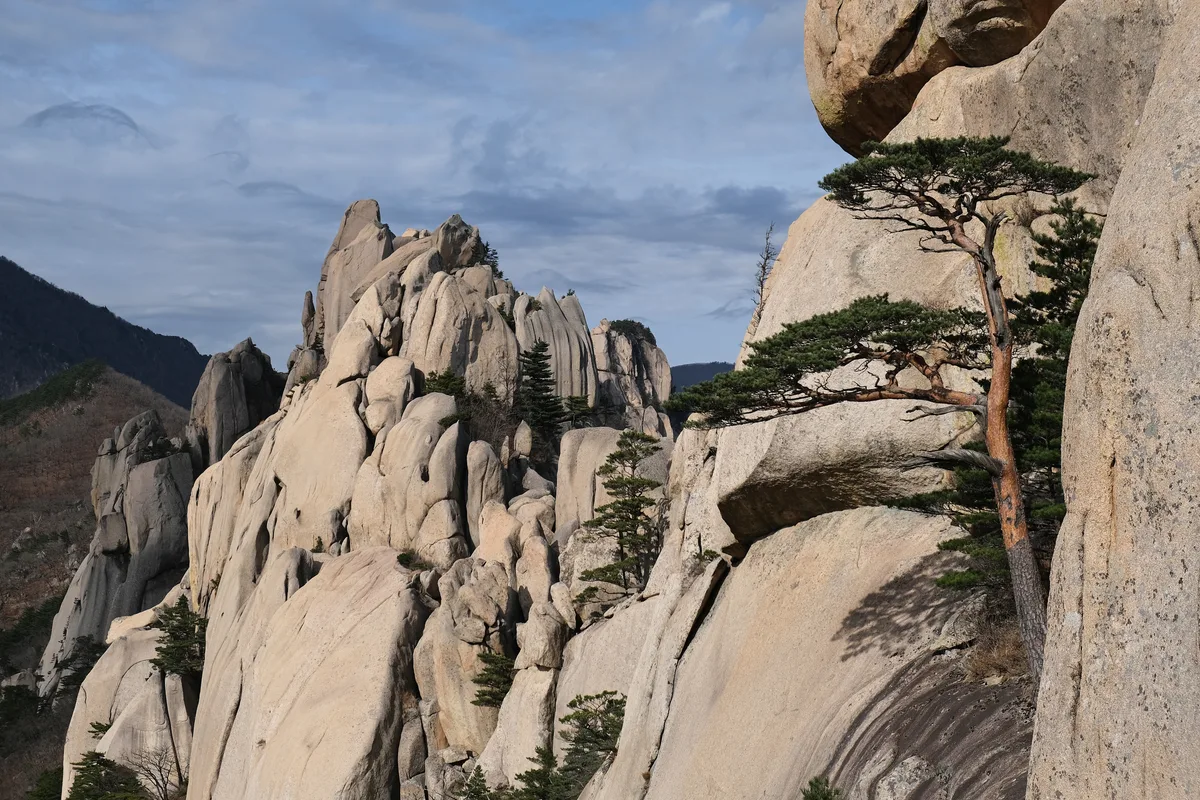
Winter hiking needs its own decision. KNPS asks Seoraksan visitors to check trail controls and entry-time restrictions. Do not convert a city packing guide into permission for a mountain route. If the required equipment, route information or experience is missing, choose a lower-effort alternative. [4]
Protect hands and ears without making maps difficult to use
Pack gloves, warm headwear and a scarf or neck covering that work with the coat. Try operating your phone, opening the bag and handling tickets while wearing the gloves. If you repeatedly remove them to read directions, adjust the combination before the trip.
Keep accessories in one accessible pocket or pouch. Put them back on before leaving an indoor stop so that the next walk begins comfortably. A hood should allow you to see the route and traffic; headphones and bulky clothing should not make street crossings harder to judge.
If using disposable or rechargeable warmers, follow the product instructions and the airline's rules for the item you carry. Warmers supplement appropriate clothing and breaks; they are not a basis for guaranteeing comfort during a long outdoor attraction visit. Pack a normal charging plan for navigation as well.
A ski day needs its own booking and rental list
| Booking item | Question to settle | Why the answer matters |
|---|---|---|
| Equipment | Exactly which skis or board, boots and helmet are supplied? | A package title does not establish every included item |
| Clothing | Are jacket and trousers included, and are appropriate sizes available? | The city coat may not suit the lesson |
| Personal items | What must I bring, including gloves and spare clothing? | Assume nothing about small rental items |
| Lesson | What are the age, language, ability and meeting requirements? | A lift ticket is a different product from instruction |
| Operation | What happens if lifts, transport or the lesson are cancelled? | Separate each supplier's refund terms |
Compare the complete package with renting directly. Write down transport, clothing, equipment, instruction and access as separate lines, and identify who supplies each one. Reserve only after the operator confirms the items you need. A photograph of snow on a sales page cannot establish that the relevant slope or lesson is operating.
Keep a dry change for the return and plan where damp clothing will go. If you are only accompanying a skier, ask about the actual waiting facilities and pedestrian access. Do not buy a participant product merely because it appears beside the transfer booking. Check the activity's requirements and your own insurance terms separately.
Use indoor breaks and a compact suitcase
- Mark the longest outdoor blocks on the itinerary and place an indoor pause between them.
- Check destination forecasts and operator notices before finalizing the day's plan. [3]
- Pack one complete warm outfit in accessible luggage for arrival and an appropriate dry backup.
- Confirm laundry and drying arrangements before reducing the number of base layers and socks.
- Reassess the outdoor route each morning; move a flexible visit when conditions make that sensible.
For an illustrative seven-night city trip with laundry, start with several interchangeable base tops, two everyday bottoms, one insulating middle layer, one suitable coat, warm accessories and trusted footwear. Increase changes if laundry is unavailable or you need them for comfort. Add activity clothing only for confirmed plans.
BEFORE YOU GO
Common questions
Are sneakers enough in Seoul?
They may work for some urban days, but decide from the actual forecast, surfaces and amount of walking. Check fit with winter socks and plan appropriate grip where snow or ice is expected.
Do I need thermal layers?
They can help during prolonged outdoor time. Test the complete outfit and how it adjusts indoors; there is no universal thermal-layer requirement for every traveler and route.
Is Jeju as cold as Seoul?
Use separate forecasts rather than assigning Seoul's conditions to Jeju. Wind, rain, outdoor exposure and the specific activity affect your clothing choice as well as the temperature. [3]
THE INFORMATION BEHIND THE GUIDE
References
Official and operator information checked on 11 October 2026. Recheck conditions for your own dates. The itinerary and decision examples are editorial suggestions; they are not booked services or first-hand reviews.
- Climate and seasons: published averages and clothing guidance ↗Korea Tourism Organization · checked 11 October 2026
- Seoul through the seasons ↗Seoul Tourism Organization · checked 11 October 2026
- Location forecasts and weather warnings ↗Korea Meteorological Administration · checked 11 October 2026
- Seoraksan route difficulty and access-control information (Korean) ↗Korea National Park Service · checked 11 October 2026